
Last updated November 24, 2026
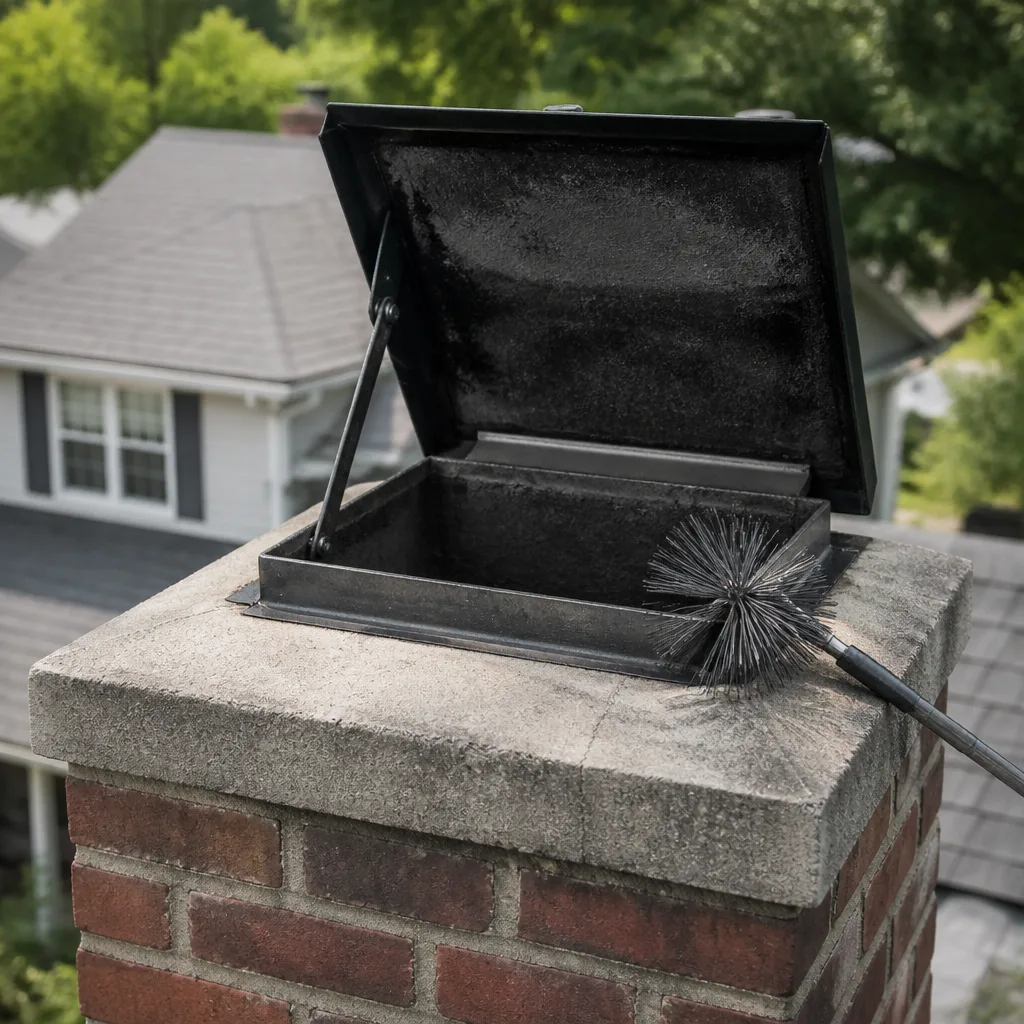 Sweep & inspection
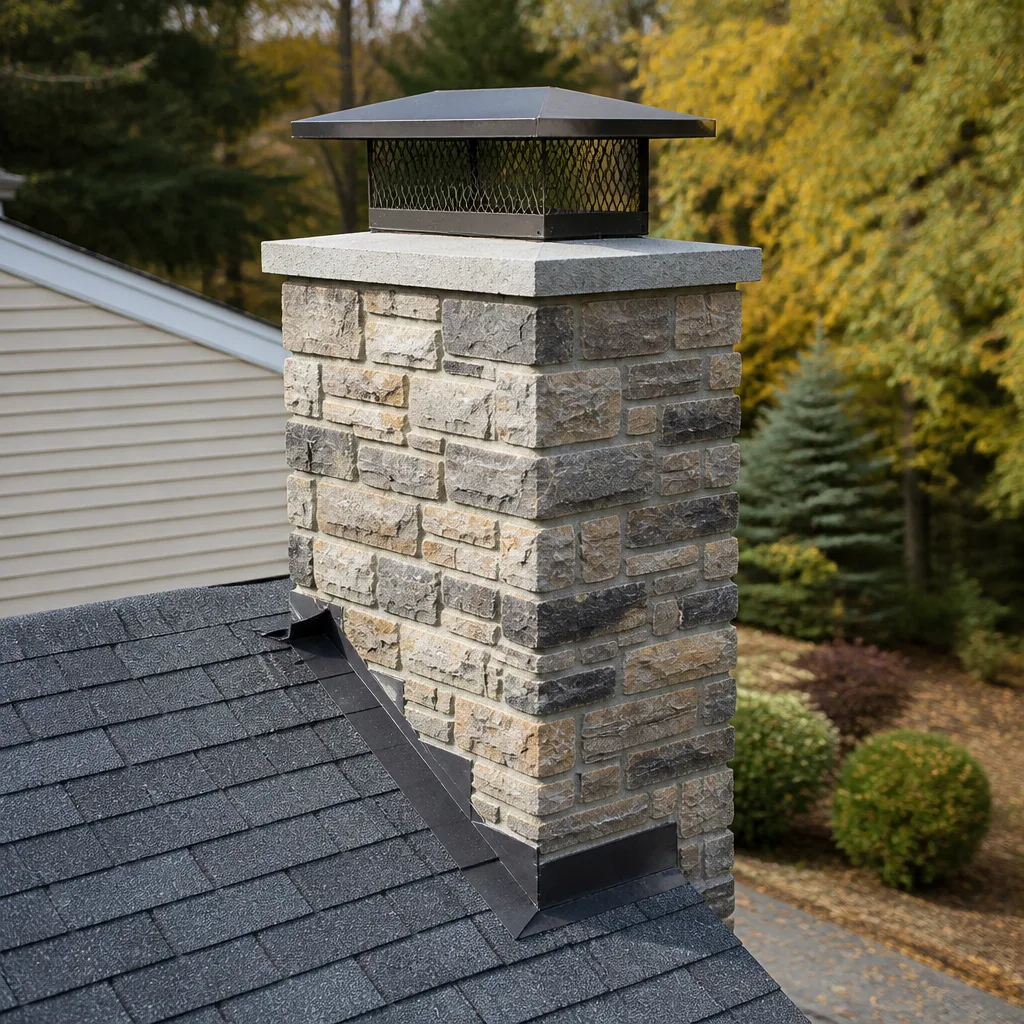 Caps & crowns
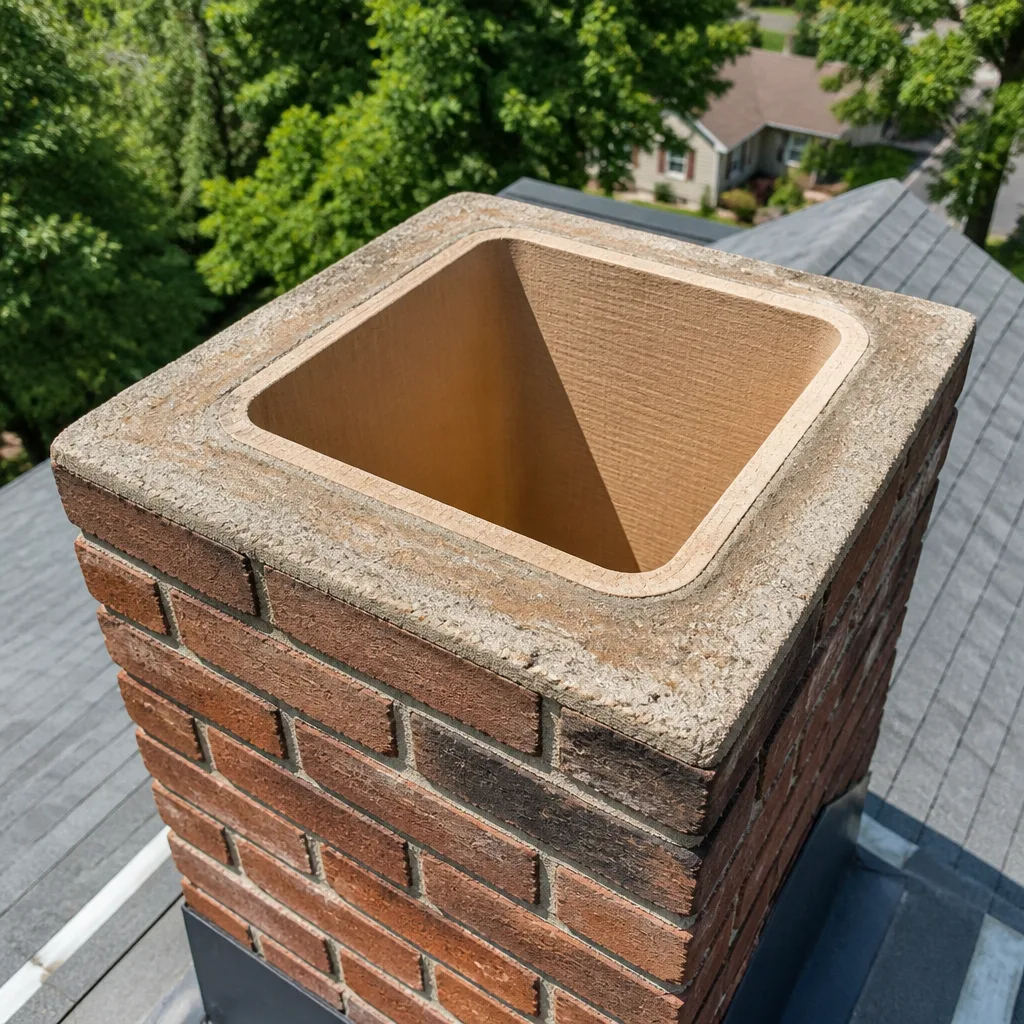 Flue relining
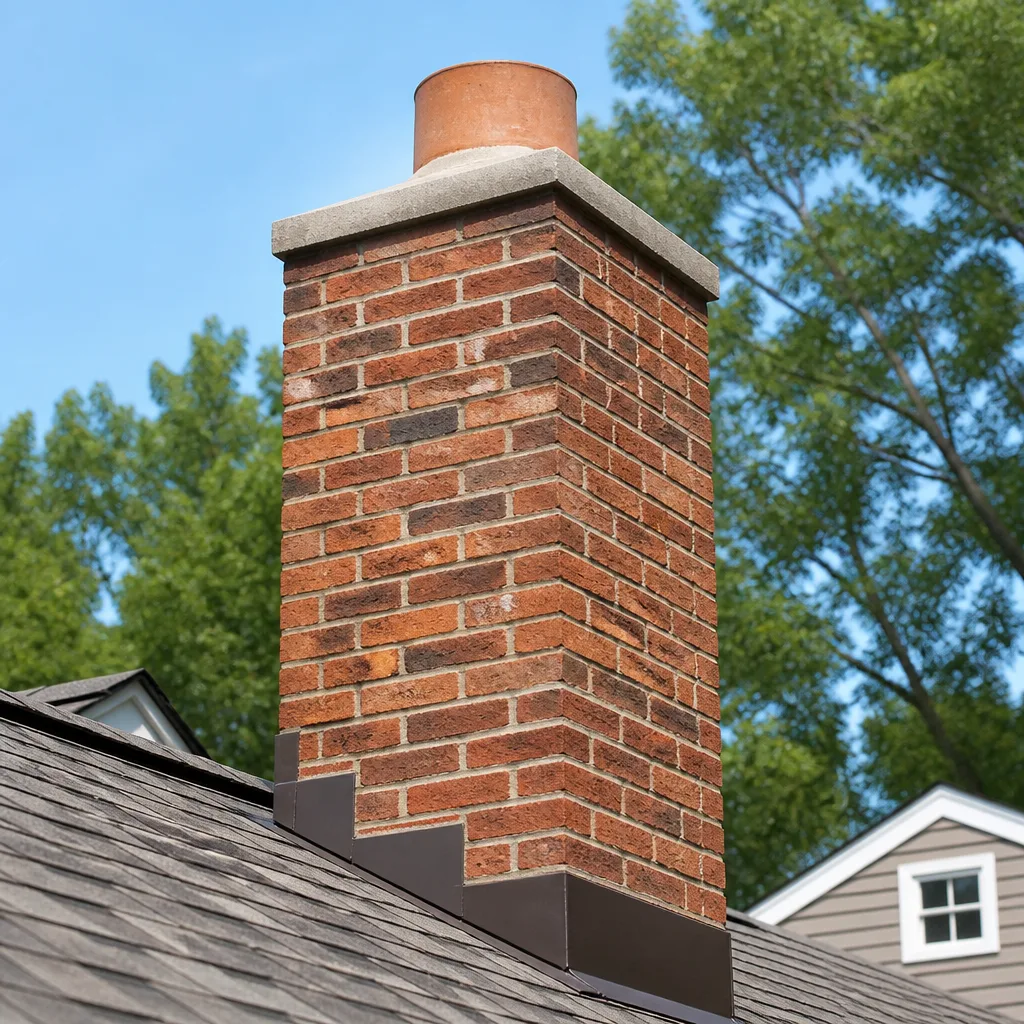 Masonry repair
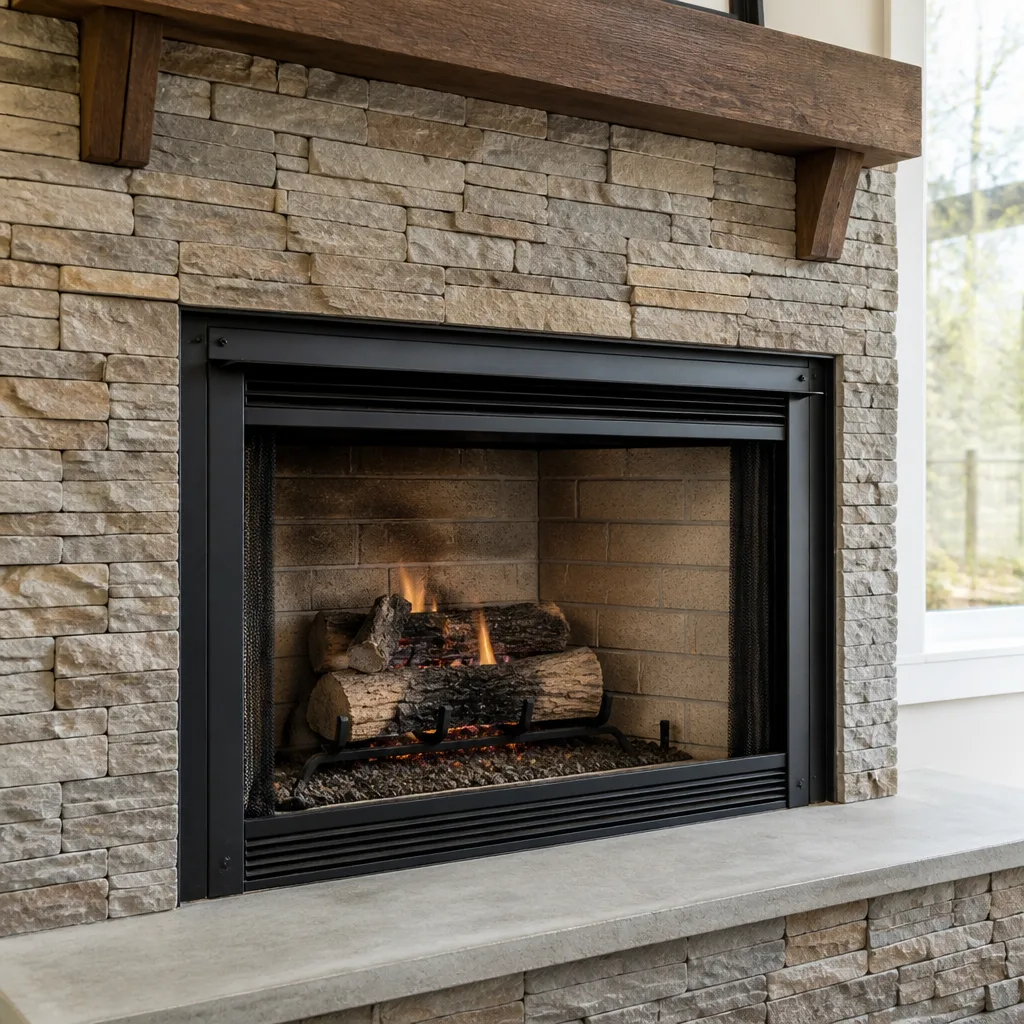 Gas fireplace service
Level 1 sweep and inspection to the NFPA 211 annual standard - flue, crown, cap, and flashing checked and photographed
Chimney sweep logs do not sweep chimneys. They loosen some creosote - which then falls where a brush and vacuum still have to collect it.
The Complete Guide to Chimney Cleaning in Clearfield
Most chimney fires we’re called to assess don’t come from homeowners who ignored the chimney for years. They come from homeowners who looked up at the flue from the driveway, saw a clean-looking cap, and decided everything was fine. A roofline glance tells you almost nothing about what’s coating the inside of the flue, how the firebox has handled a decade of freeze-thaw, or whether the smoke chamber is quietly failing. This guide maps what a real chimney cleaning in Clearfield actually involves, from creosote stages to inspection levels, so you know exactly what a thorough job looks like before anyone shows up at your door.
Quick Answer
A complete chimney cleaning in Clearfield is a system check, not a brush-and-go visit. It includes removing creosote and residue appropriate to your fuel type, a Level 1 or Level 2 inspection under NFPA 211 standards, and an assessment of the firebox, smoke chamber, cap, and crown. Wood, gas, and pellet systems each produce different deposits and need different cleaning protocols, and Utah’s freeze-thaw cycles make the masonry check as important as the flue sweep itself.
Styles & brands we work with
- Sweep & inspection
- Caps & crowns
- Flue relining
- Masonry repair
- Gas fireplace service
Table of Contents
- Why Chimney Cleaning in Clearfield Is More Than a Sweep
- How Creosote Forms in Clearfield’s Cold Snaps (and Why Stage Matters)
- Level 1 vs. Level 2 NFPA 211 Inspections: What Each One Actually Checks
- Wood, Gas, and Pellet: Three Fuels, Three Cleaning Protocols
- How Utah’s Clay-Heavy Soil and Frost Heave Stress Your Firebox
- What Professional Rotary Cleaning Systems Reach That Consumer Brushes Can’t
- Cap and Crown Work: Protecting What We Just Cleaned
- What Chimney Cleaning Costs in Clearfield
Why Chimney Cleaning in Clearfield Is More Than a Sweep
A chimney is a system with several parts that fail in different ways. The flue carries smoke and creosote. The firebox contains the fire. The smoke chamber slows and smooths the exhaust path. The crown sheds water, and the cap keeps weather and animals out. Cleaning one part and ignoring the rest is how small problems become structural ones.
Clearfield sits in a climate that works masonry harder than most homeowners realize. Winters bring hard freezes, and the ground here is clay-heavy, which means it holds moisture and moves with the frost. That movement transfers into the foundation and the base of your chimney over time. When we inspect a chimney in Clearfield, we’re not just looking at soot. We’re looking for hairline cracks in the firebox brick, gaps where the smoke chamber meets the flue, and mortar joints that have started to crumble from repeated wetting and drying.
Here’s what a full-scope chimney service covers, and why each piece matters:
- Flue cleaning: Removes creosote and residue so the flue can draft properly and so deposits don’t accumulate to a flammable stage.
- Inspection: Documents the condition of the flue, firebox, smoke chamber, damper, cap, and crown. A real inspection produces findings, not just a nod.
- Fireplace repair: Addresses cracked brick, damaged mortar, and worn dampers before they affect how the fire burns.
- Chimney repair: Handles masonry and structural issues, including liner problems, that a sweep alone won’t touch.
- Cap and crown: Closes the system so rain, snowmelt, and animals stay out between cleanings.
We handle all of it, which matters because most chimney issues don’t announce themselves in one category. A cracked crown lets water into the smoke chamber, which damages the flue, which changes how the fire burns. If your sweep technician only cleans and leaves, nobody catches the chain until it’s a bigger repair. That’s the difference between a sweep-only visit and a Chimney Sweep Clearfield service that looks at the whole system.
How Creosote Forms in Clearfield’s Cold Snaps (and Why Stage Matters)
Creosote is the residue left behind when wood smoke cools before it exits the flue. How much forms, and what kind, depends on how hot the fire burns and how cold the outside air is. Clearfield’s cold snaps are where this gets interesting. When temperatures drop hard and fast, the flue gases cool quickly on their way up, and that cooling is exactly what condenses creosote onto the flue walls.
A mild, steady burn in moderate weather produces less of it. A fire that gets damped down for a long cold night, or one burning wood that isn’t fully seasoned, produces more. In our experience, the homes we see with the heaviest buildup are often the ones where the fire gets choked back to stretch the wood supply through a cold stretch.
Creosote comes in three stages, and each needs a different removal method:
- Stage 1: Soot and flaky residue. Light, powdery, and easy to brush away. This is what a routine sweep handles.
- Stage 2: Crusty, hardened deposits. These cling to the flue wall and don’t come off with a standard brush alone. They need rotary cleaning equipment to break up.
- Stage 3: Glazed, tar-like creosote. This is the hardest stage to remove. It’s baked onto the flue surface, it’s highly flammable, and it takes professional rotary systems and sometimes chemical treatment to dislodge it without damaging the liner.
Stage 2 and Stage 3 deposits are the reason a visual check from the ground means so little. You can’t see glaze on the inside of a flue from outside. The only way to know what stage you’re dealing with is to get equipment and eyes into the flue itself. If you haven’t had the flue looked at in a while, a chimney sweep is the starting point that tells you what you’re actually working with.
Level 1 vs. Level 2 NFPA 211 Inspections: What Each One Actually Checks
NFPA 211 defines three inspection levels for chimneys, and the difference between them is the biggest gap in what homeowners think they’re getting versus what they actually get. A “sweep-only” visit is not the same as an inspection, and a Level 1 is not the same as a Level 2.
Level 1 Inspection
A Level 1 inspection covers the readily accessible parts of the chimney and venting system: the firebox, the damper, the visible portion of the flue, the smoke chamber from the firebox side, and the cap and crown from outside. It’s appropriate when the system is in continued service and nothing has changed. It’s what most routine annual checks should include.
Level 2 Inspection
A Level 2 inspection goes further. It includes everything in a Level 1 plus the accessible portions of the chimney that aren’t visible without tools, and it typically uses a camera to look inside the flue itself. A Level 2 is the right call when the home has changed hands, when a fuel type or appliance has changed, after a chimney fire or a significant event like a seismic shake, or when there’s any reason to suspect a hidden problem in the liner.
NFPA 211 calls for a Level 3 inspection only in specific circumstances, usually when a building or chimney has been damaged and parts of the system need to be opened up to inspect them.
What you should walk away with
A proper inspection produces documentation. That means a written or photographed record of what was found, not a verbal “looks good.” If you’re buying a home in Clearfield or you’ve just moved into one, ask for the inspection level and the findings in writing. It’s the difference between an opinion and evidence.
Wood, Gas, and Pellet: Three Fuels, Three Cleaning Protocols
The fuel you burn determines what residue builds up in the flue and what cleaning method removes it safely. Treating all three the same is a common shortcut that leaves the wrong kind of deposit behind.
- Wood-burning fireplaces and inserts produce creosote and soot, and the volume depends on burn habits, wood moisture, and flue temperature. Cleaning means mechanical removal of creosote at whatever stage it’s reached, which is why rotary equipment and inspection come first.
- Gas fireplaces and gas logs don’t produce creosote the way wood does, but they do produce residue. Gas burns can leave a whitish or brownish film and, in some venting setups, moisture that encourages corrosion in metal liners. Gas systems also need the venting checked for blockages and proper draft. A gas fireplace that looks clean can still have a venting problem.
- Pellet stoves and inserts produce ash and a different kind of residue that can cake in the flue and vent. Pellet venting often has elbows and offsets that hold ash where a straight brush won’t reach, and the venting itself needs to be checked for the clearances and condition the appliance requires.
Beyond fuel type, the liner material changes the cleaning approach. Clay tile liners can be damaged by aggressive brushing if the tile is already cracked. Metal liners, including the flexible systems we work with from DuraFlex, need cleaning methods that won’t distort or abrade the liner wall. We work with the materials professional chimney technicians specify, including DuraFlex and Gelco, because the cleaning method should match the liner that’s actually in the chimney.
If you’re not sure what fuel type your system was last set up for, that’s a Level 2 question. A change in appliance or fuel is exactly the kind of event that calls for a camera look at the flue before the first burn.
How Utah’s Clay-Heavy Soil and Frost Heave Stress Your Firebox
Clearfield’s soil holds a lot of clay, and clay expands when it freezes. Through a northern Utah winter, the ground under and around a chimney foundation goes through repeated cycles of freezing, expanding, thawing, and settling. That movement doesn’t stop at the foundation. It works its way up into the masonry.
What this looks like when we inspect a chimney in Clearfield:
- Hairline cracks in the firebox brick or in the mortar joints between them.
- Separation where the firebox meets the surrounding masonry or the hearth.
- Gaps or spalling at the base of the chimney where moisture has gotten in and frozen.
- A crown that’s cracked or pulling away from the flue, which lets water into the structure above the roofline.
The catch is that most of this damage isn’t visible from the living room or the driveway. A cracked firebox brick behind the firebrick face, a mortar joint that’s opened up at the smoke chamber, or a hairline crack in the crown can all sit there for years without an obvious symptom. The first sign a homeowner notices is often water on the hearth, a smoky fireplace that used to draft fine, or a smell that won’t go away.
Freeze-thaw damage also compounds. A cracked crown lets water in, that water freezes and widens the crack, and the next season it’s worse. That’s why the cap and crown portion of a chimney service isn’t separate from cleaning. It’s what stops the weather from undoing the work. If you’ve noticed cracking or spalling anywhere on the exterior masonry, that’s a prompt to get the whole system looked at, and possibly a conversation about chimney repair rather than just a sweep.
What Professional Rotary Cleaning Systems Reach That Consumer Brushes Can’t
A consumer brush on a rod can knock loose soot and light Stage 1 residue from a straight flue. It cannot reliably remove Stage 2 crust or Stage 3 glaze, and it can’t navigate the offsets, elbows, and transitions that many Clearfield chimneys have. That’s not a knock on homeowners who’ve tried; it’s just physics. The equipment has limits the flue doesn’t care about.
Professional rotary cleaning systems work differently. Instead of a fixed brush pushed up and down, they use a spinning head on a flexible rod that follows the flue’s contours, including offsets where the flue shifts around a framing member or a second appliance. The rotation contacts the full circumference of the flue wall at a controlled speed, which is what it takes to break up hardened creosote without gouging the liner.
What this reaches that a consumer brush can’t:
- Offset and angled sections where a straight rod stalls or skips the far wall.
- The smoke chamber, which has sloped surfaces that hold deposits and are often missed entirely.
- Stage 2 and Stage 3 deposits that need mechanical breakdown, not just brushing.
- The full flue circumference at consistent pressure, which is what removes deposits evenly instead of leaving patches.
The rotary system is also a diagnostic tool. When the head hits a rough patch, a ledge, or a change in resistance, that’s information about the liner’s condition. A cracked tile or a shifting joint shows up in how the equipment behaves before it shows up on camera. That’s part of why we run a camera inspection alongside the cleaning. The two together tell us what the flue looks like and how it’s behaving.
On the repair side, not every damaged liner needs to come out. HeatShield flue restoration is a specialist option for damaged clay tile liners, and it repairs the flue without full demolition. It’s not right for every liner, which is why the inspection comes first. When a liner does need to be replaced outright, flexible systems like DuraFlex are what we use for complex or offset flues that rigid liners can’t navigate.
Cap and Crown Work: Protecting What We Just Cleaned
The cap and crown are the two parts of the chimney that take the most weather and get thought about the least. The crown is the concrete or masonry top surface that sheds water away from the flue. The cap is the cover that keeps rain, snow, birds, and debris out of the flue opening. When either fails, everything below it is exposed.
A failed crown is the most common water-entry point we find on Clearfield chimneys. Water gets into the masonry above the roofline, freezes, and starts to work the joints apart. Over a few seasons, that’s a repair that could have been a fraction of the cost if the crown had been sealed or replaced when the crack first appeared.
A missing or damaged cap is the open door. Without one, rain and snowmelt drop straight into the flue, which accelerates liner corrosion and creosote problems, and birds and squirrels get a way in. Neither is a repair you want to discover from the living room.
Cap and crown installation closes the system after service. If the sweep was done but the cap is loose and the crown is cracked, the next storm undoes the cleaning. It’s not an upsell; it’s the part of the job that keeps tomorrow’s rain from undoing today’s work. When we replace a cap, we match it to the flue size and the appliance it serves. When we repair a crown, we address the crack rather than painting over it. If the whole crown has failed, replacement is usually the right answer. If it’s a localized crack, a proper repair can add years of service.
The cap and crown are also a good early check for homeowners. Stand back from the chimney on a clear day and look at the top. If the crown has visible cracks, if the cap is tilted, or if there’s staining running down the masonry, that’s enough to justify a look. You don’t need to diagnose it yourself; you just need to know it’s worth having someone qualified assess it.
If your chimney is due and you’re also noticing fireplace issues like a smoky fire or a damper that sticks, a quick conversation about fireplace repair alongside the sweep saves a second visit. We’d rather look at both while we’re there.
What Chimney Cleaning Costs in Clearfield
Chimney cleaning costs vary with the size of the flue, the fuel type, the amount of buildup, the access, and whether an inspection or repair is involved. We price each job with a written estimate, so the number you’re given is the number for your chimney, not a flat rate that changes once we’re on site.
Here’s what tends to move the estimate up or down:
| Factor | What affects the estimate |
|---|---|
| Sweep scope | Straight flue with light residue costs less than an offset flue with Stage 2 or Stage 3 buildup |
| Inspection level | A Level 1 check is less involved than a Level 2 with camera inspection of the flue |
| Fuel type | Gas and pellet systems need different cleaning than wood; each has its own protocol |
| Access and roof | Pitch, height, and the condition of the roof surface affect how the work is set up |
| Liner condition | A damaged liner may need repair or restoration, which is a separate scope from cleaning |
| Cap and crown | Repair or replacement is quoted separately from the sweep |
The estimate is free and written. If a repair is needed, you’ll see what it is and why. If a repair can safely wait, we’ll tell you that too. We’d rather you call us back next season than pay for work your chimney doesn’t need yet. Call (877) 820-8427 to book an estimate.
Common Mistakes to Avoid
- Judging the flue from the roofline. A clean-looking cap tells you nothing about creosote stages inside the flue. The only way to know is to get equipment into the flue.
- Treating a gas fireplace like it never needs service. Gas doesn’t produce creosote, but it can leave residue and moisture that corrode the venting. A gas system that’s never been inspected is a real risk.
- Skipping the inspection because you already got a sweep. A sweep-only visit doesn’t document the firebox, smoke chamber, or crown condition. Ask what inspection level you’re getting.
- Ignoring a hairline crack in the firebox. In Clearfield’s freeze-thaw climate, small cracks widen season after season. Early repair is cheaper than masonry replacement.
- Burning unseasoned wood to stretch the supply. Wet wood burns cooler and leaves more creosote. It’s one of the most common causes of rapid buildup we see.
- Leaving the cap off after a repair. An open flue is an invitation for rain, snow, and animals. The cap is part of the job, not a separate afterthought.
- Assuming a clay tile liner is fine because the fireplace still draws. A cracked tile can still draft under most conditions until it doesn’t. The camera is what catches it.
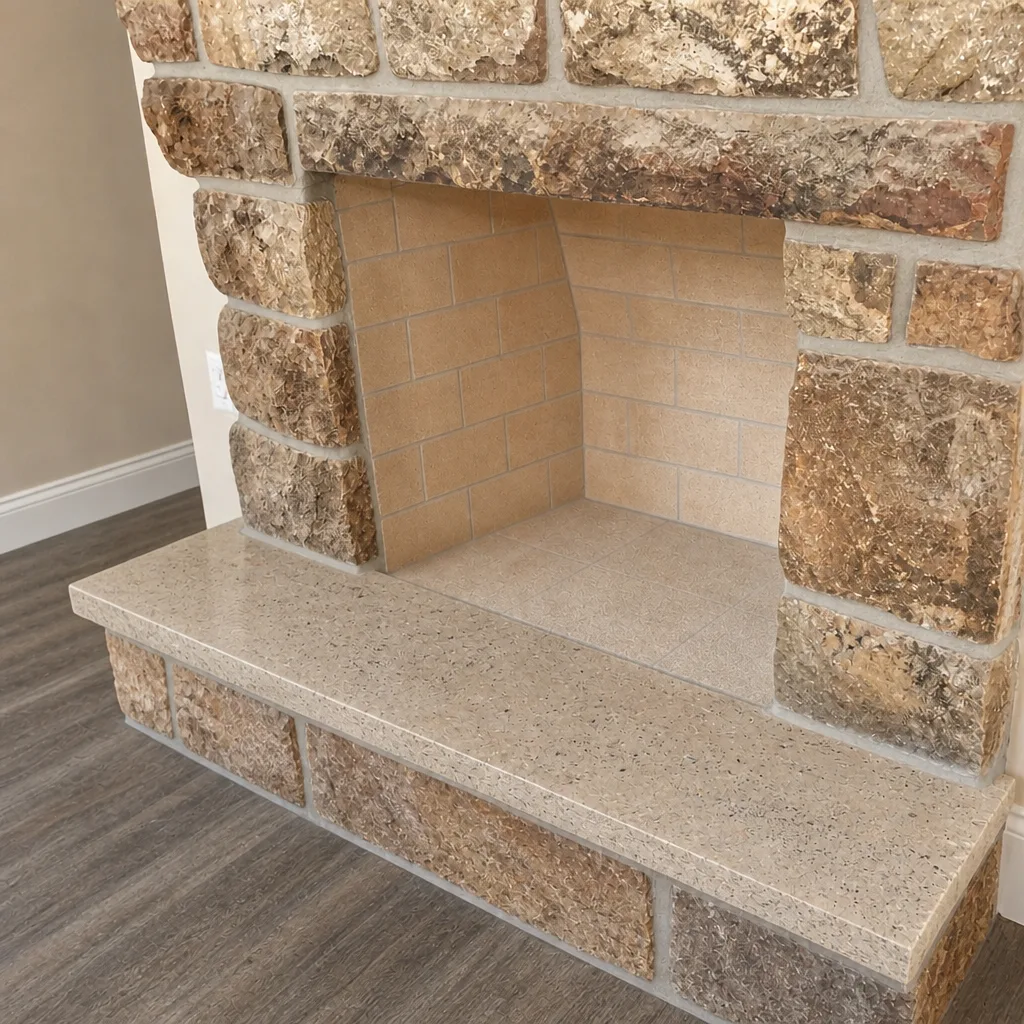
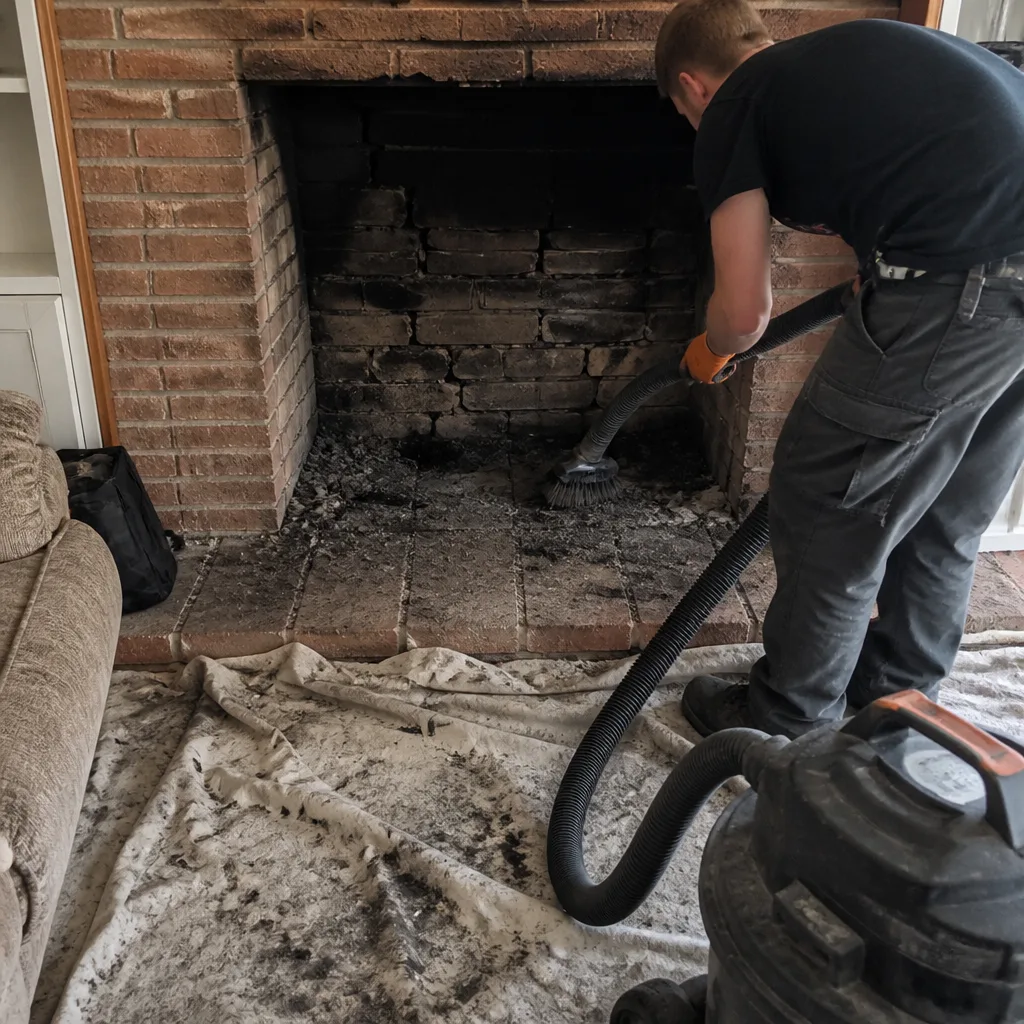
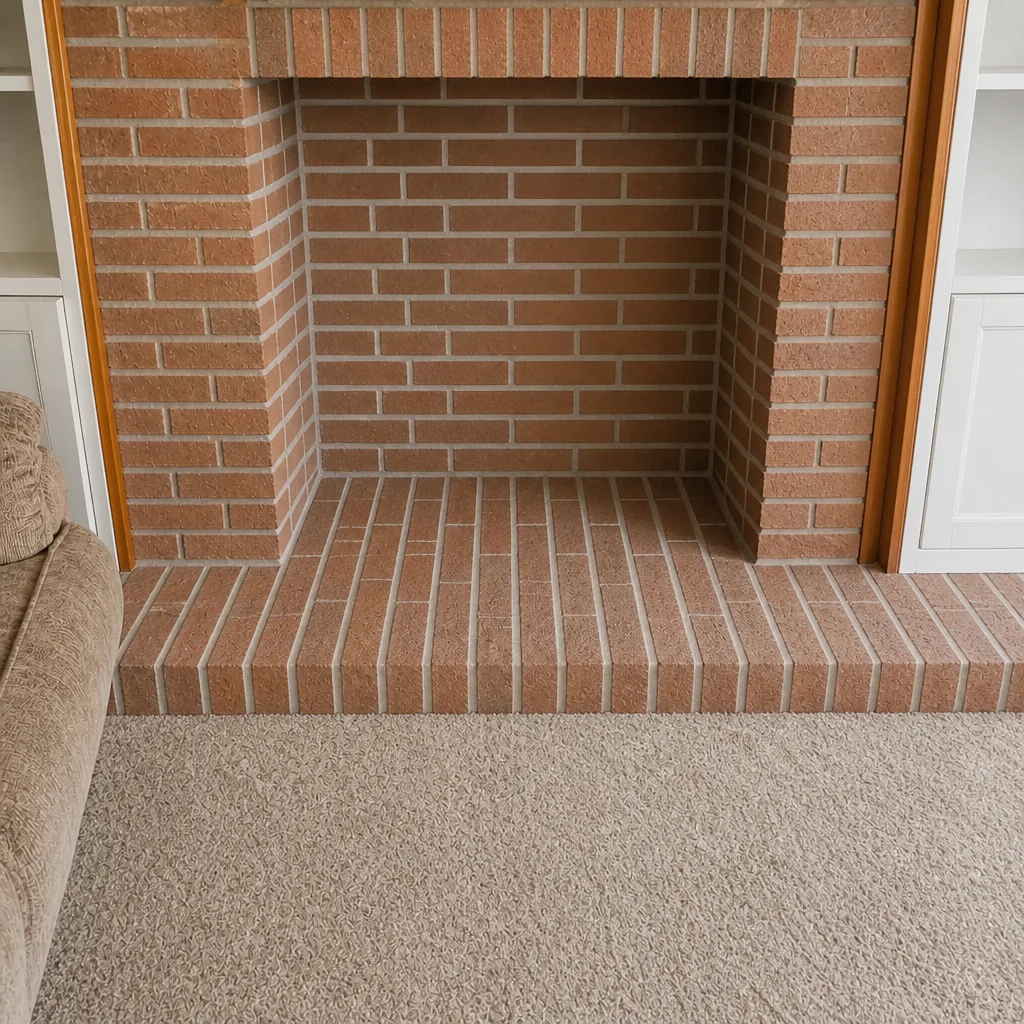
See the difference
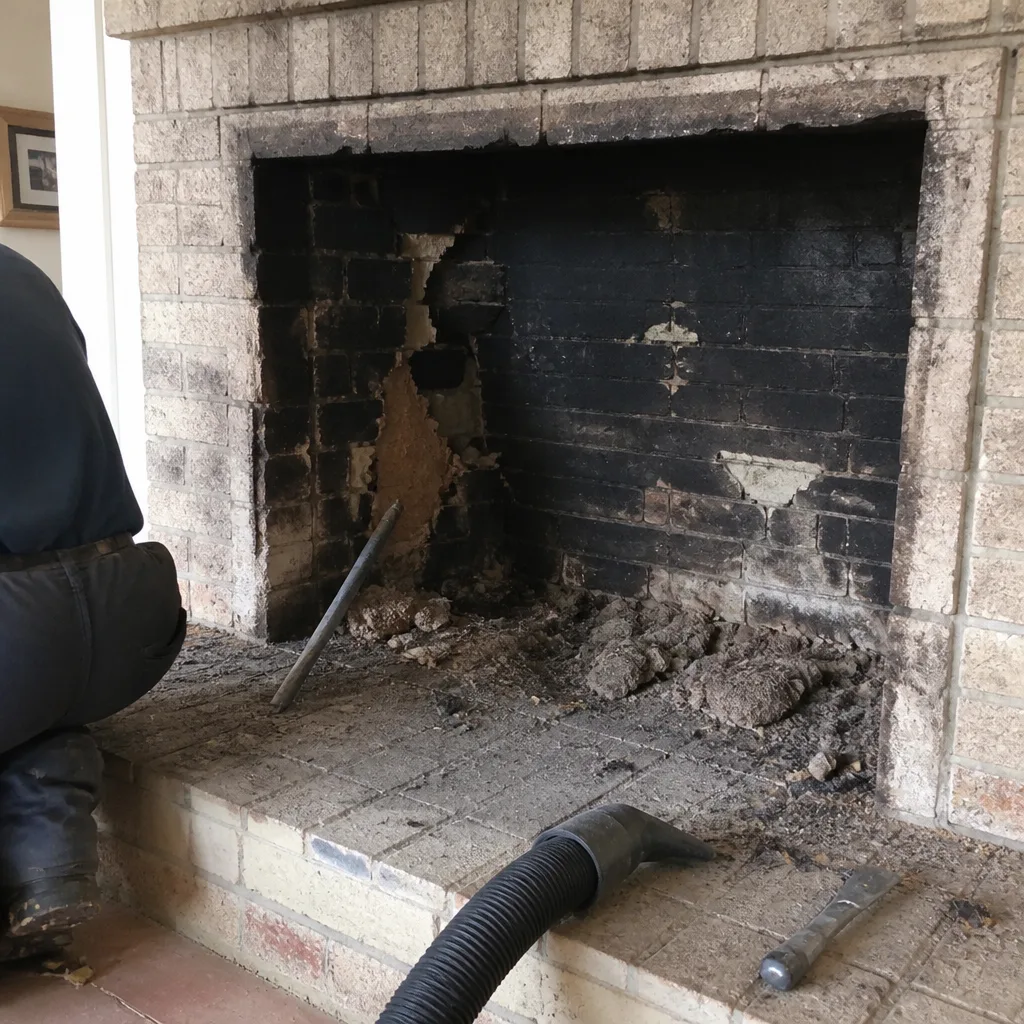 Before
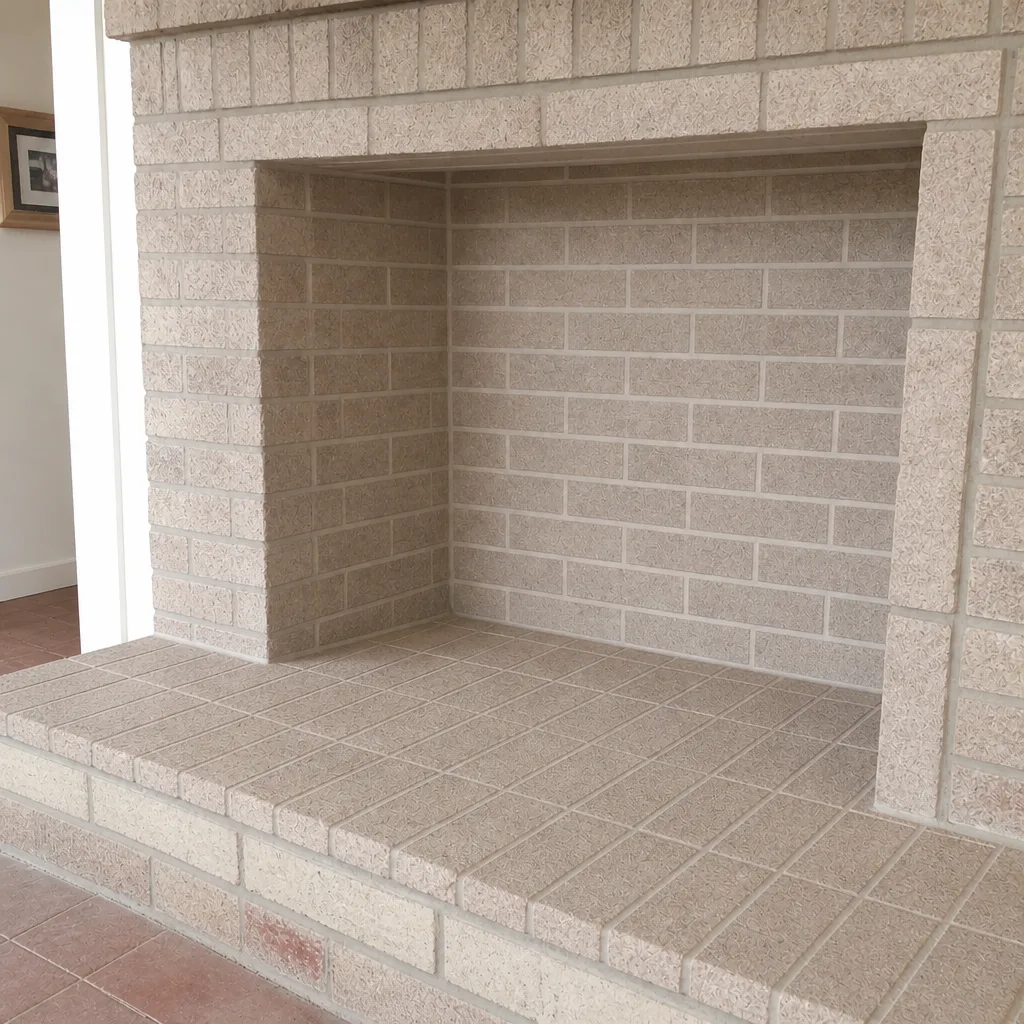 After
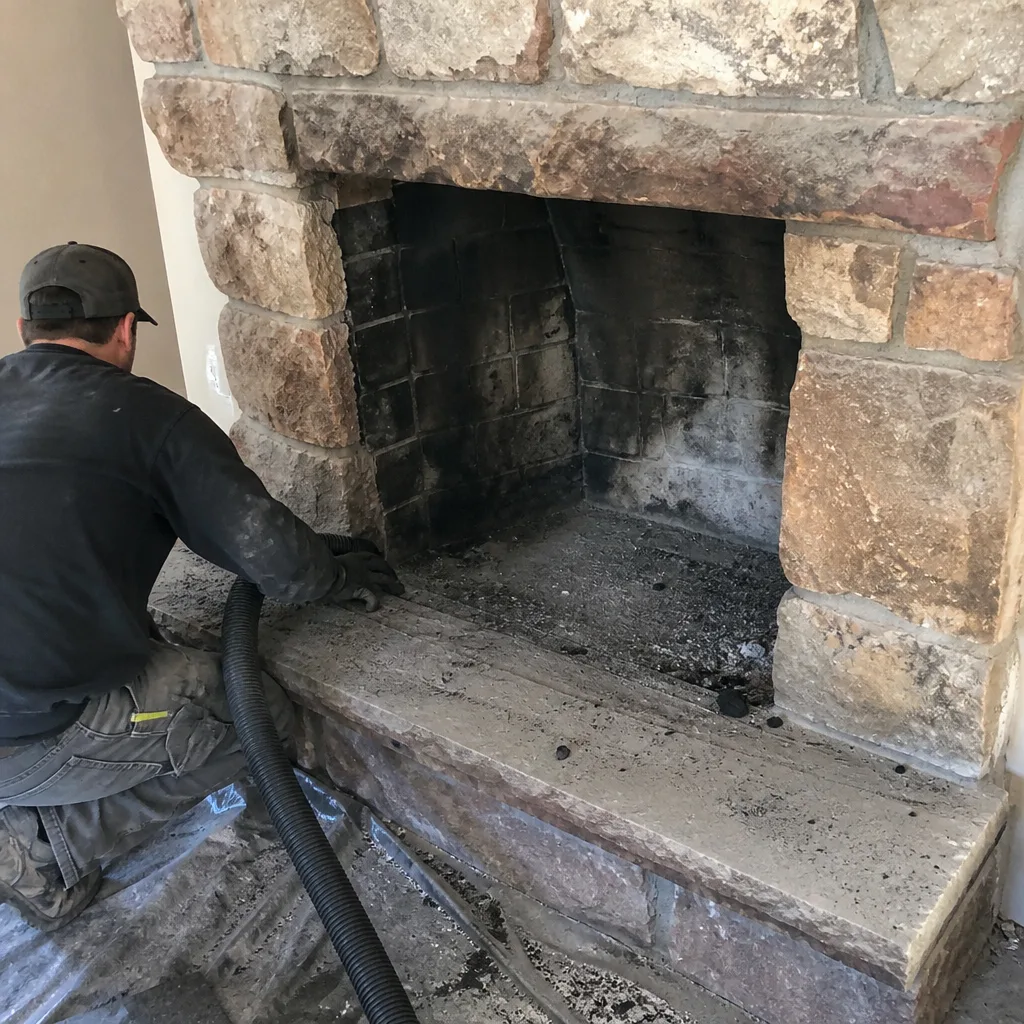 Before
 After
 Before
 After
When to Call a Professional
Some chimney issues are safe to watch. These aren’t. Call a professional if you smell smoke in the house when the fireplace isn’t in use, if the fire struggles to draw or smokes into the room, if you see cracked or missing firebox brick, if the crown or cap is visibly damaged, or if the exterior masonry shows staining, spalling, or loose mortar. A chimney fire, even a small one you think went out on its own, is a reason for a Level 2 inspection before the next burn. And if it’s simply been a while since the system was looked at, the sweep is the starting point.
Chimney Sweep Clearfield offers free estimates in Clearfield. Call (877) 820-8427. We answer 24/7. Fast dispatch from 7am to 7pm, Sunday through Friday.
Frequently Asked Questions
Most wood-burning chimneys should be swept once a year, and more often if you burn heavily through the winter. The NFPA 211 standard ties the frequency to how much creosote has built up rather than a fixed calendar, so the annual inspection is what tells you whether the sweep is due. Clearfield’s long cold season and the damped-down fires that go with it tend to accelerate buildup. Call (877) 820-8427 for an exact quote: estimates are free.
Creosote builds in stages, and the later stages are what carry real fire risk inside the flue. Skipping a cleaning doesn’t just leave soot; it lets Stage 2 and Stage 3 deposits harden onto the liner, and it lets any small masonry crack in the firebox or smoke chamber go unnoticed through another freeze-thaw cycle. The cost of waiting is usually higher than the sweep. Call (877) 820-8427 for an exact quote: estimates are free.
Not always, and anyone who says you do without showing you camera evidence is guessing. A clay tile liner with localized damage can sometimes be restored with HeatShield rather than replaced, which saves the demolition. A cracked or deteriorated liner that can’t be restored is a reline conversation, and flexible systems like DuraFlex are built for the offset flues that make rigid liners impractical. The camera inspection is what decides it. Call (877) 820-8427 for an exact quote: estimates are free.
Yes. Gas fireplaces don’t produce creosote the way wood does, but the venting still needs to be checked for blockages, proper draft, and moisture-related corrosion. Gas logs and gas inserts can leave residue that a wood-focused sweep wouldn’t address. A gas system that’s never been inspected deserves a look. Call (877) 820-8427 for an exact quote: estimates are free.
A sweep removes deposits from the flue. An inspection documents the condition of the whole chimney system, including parts a sweep doesn’t touch. NFPA 211 defines inspection levels, and a Level 2 includes a camera look inside the flue. A thorough chimney service in Clearfield includes both, so you get a clean flue and a record of what was found. Call (877) 820-8427 for an exact quote: estimates are free.
Same-day visits are often possible when you call early. We answer 24/7, and a call outside dispatch hours is booked into the next opening, Sunday through Friday, 7am to 7pm. Call (877) 820-8427 for an exact quote: estimates are free.
The Bottom Line
Chimney cleaning in Clearfield is a system check, not a brush-and-go service. The creosote stage determines the removal method, the inspection level determines what you actually find out about the flue and firebox, and the fuel type determines the cleaning protocol. Utah’s clay soil and freeze-thaw cycles mean the masonry and crown deserve as much attention as the flue, and professional rotary equipment reaches deposits a consumer brush can’t. A written estimate, a documented inspection, and cap and crown work that protects the cleaning are what a thorough job looks like. Call (877) 820-8427 to book your free estimate.
Written by the team at Chimney Sweep Clearfield.