
Last updated November 24, 2026
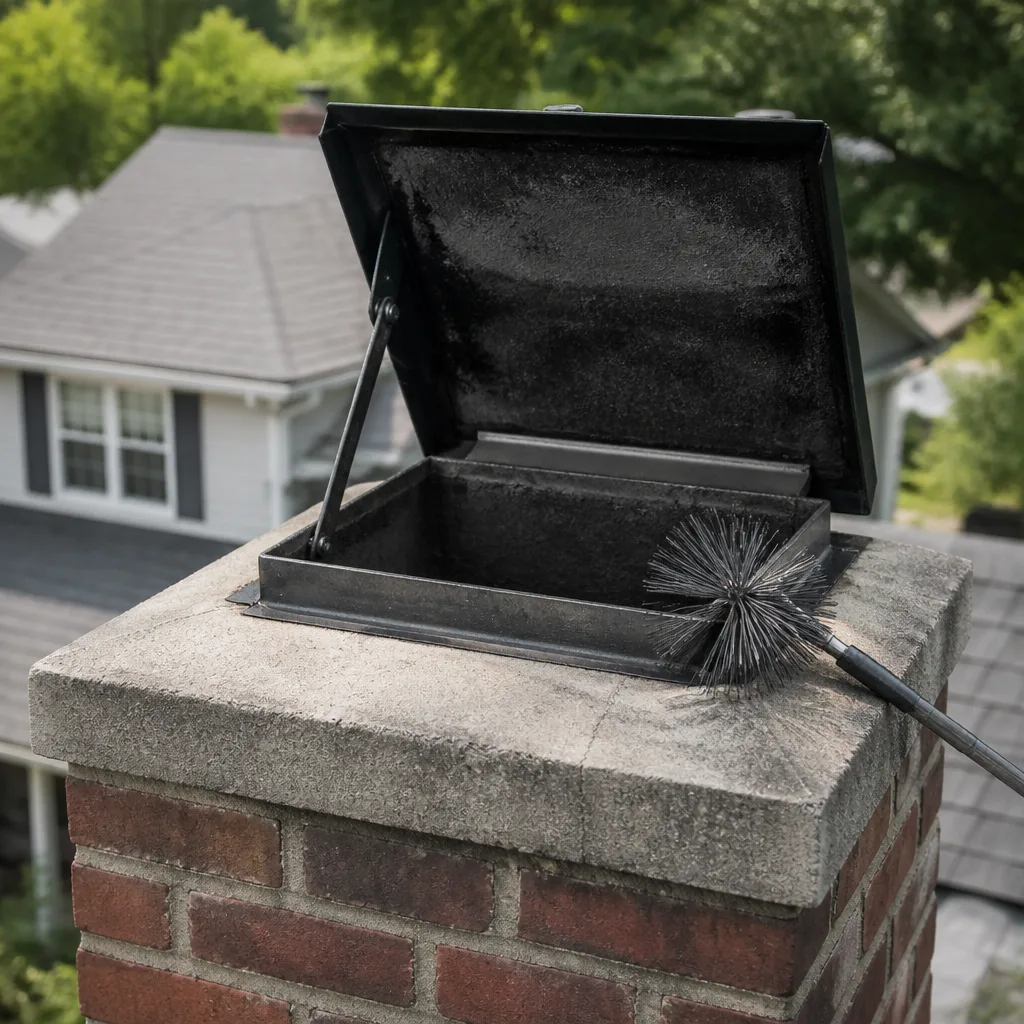 Sweep & inspection
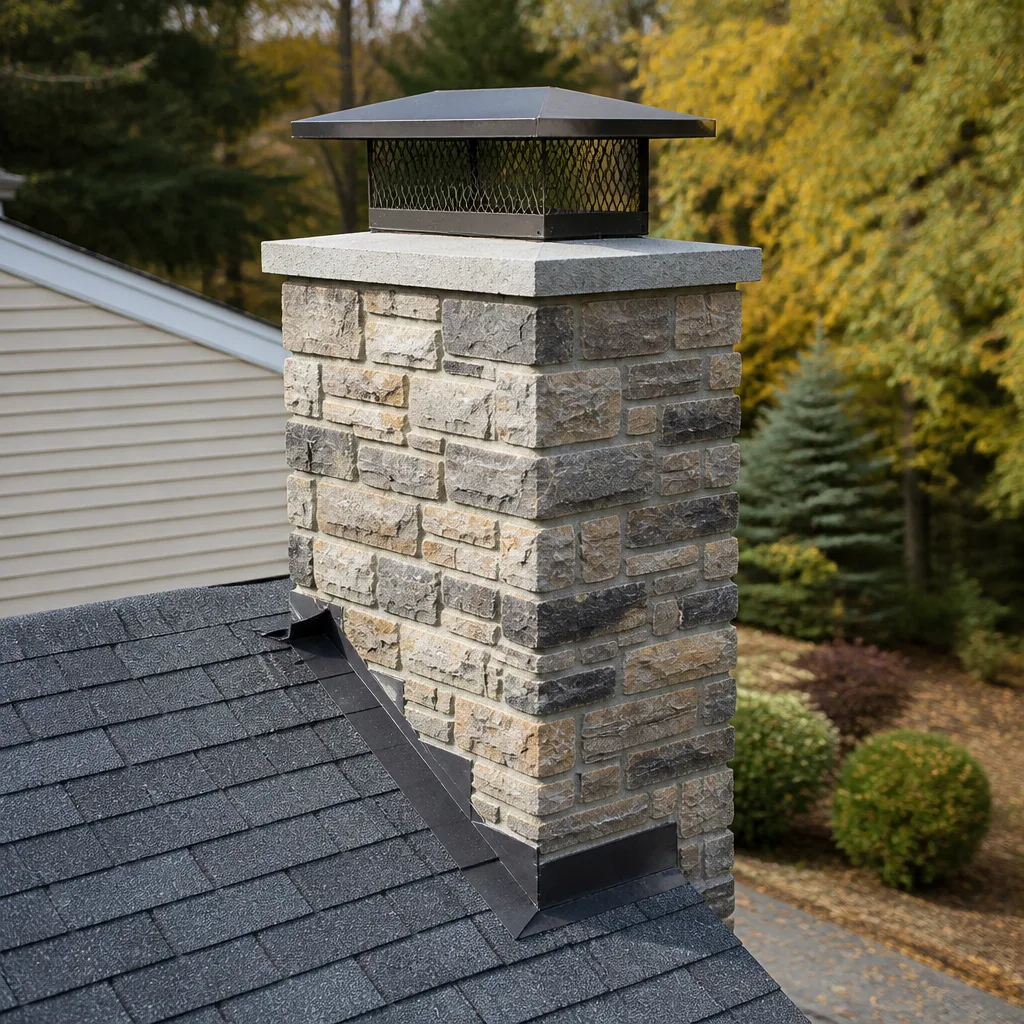 Caps & crowns
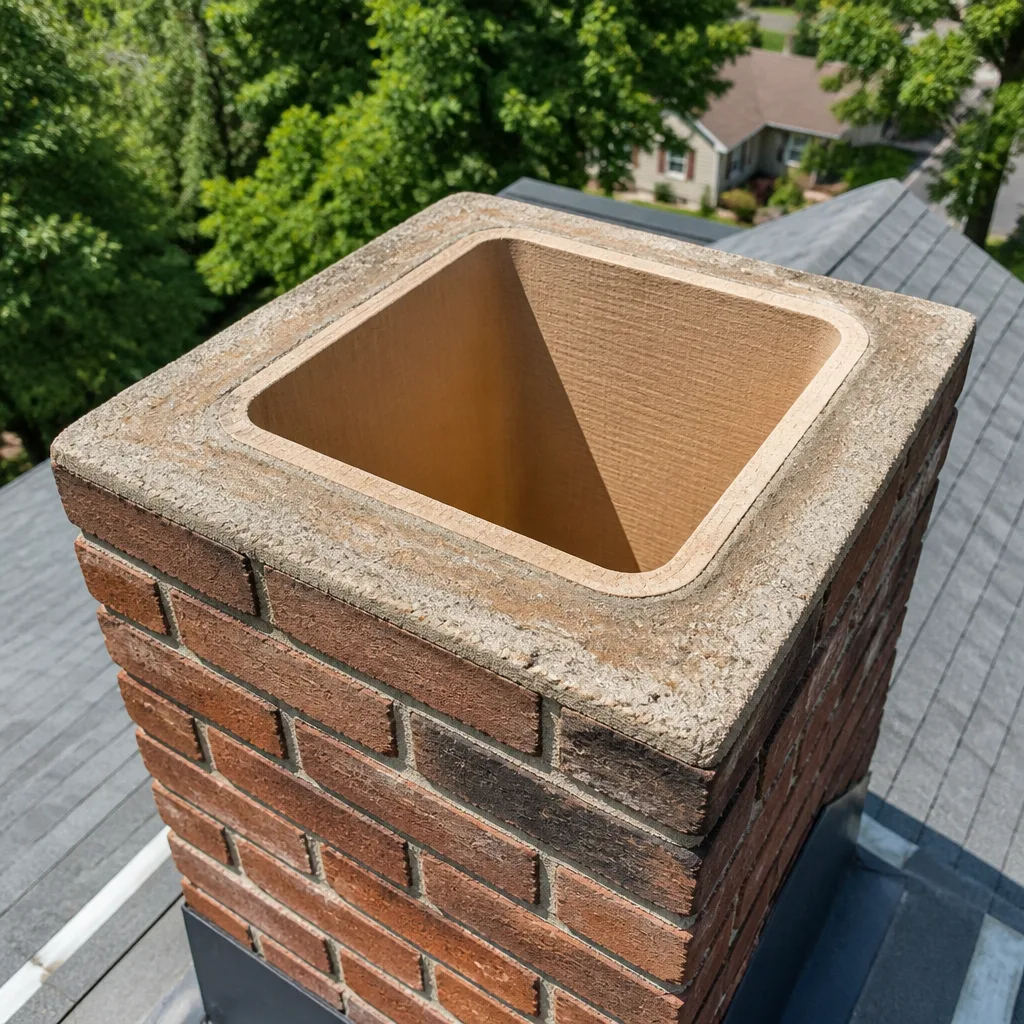 Flue relining
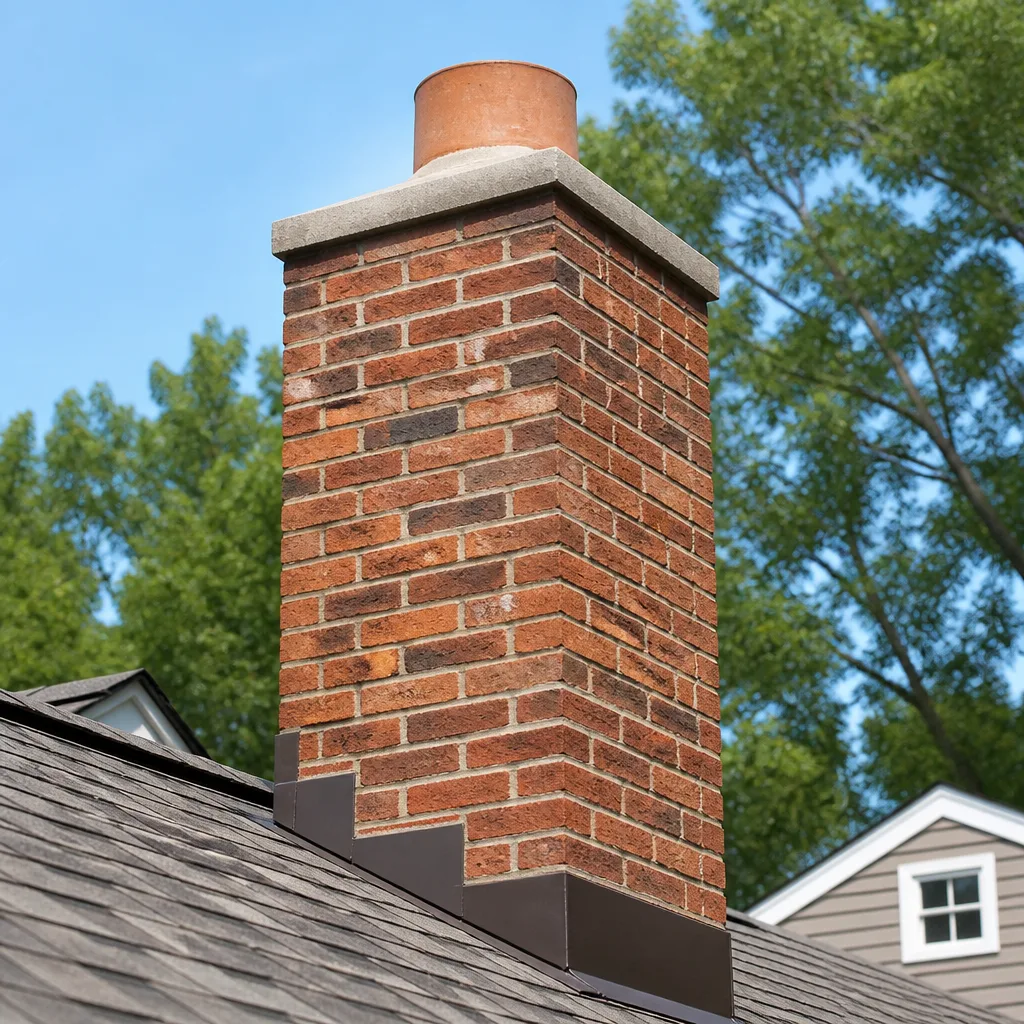 Masonry repair
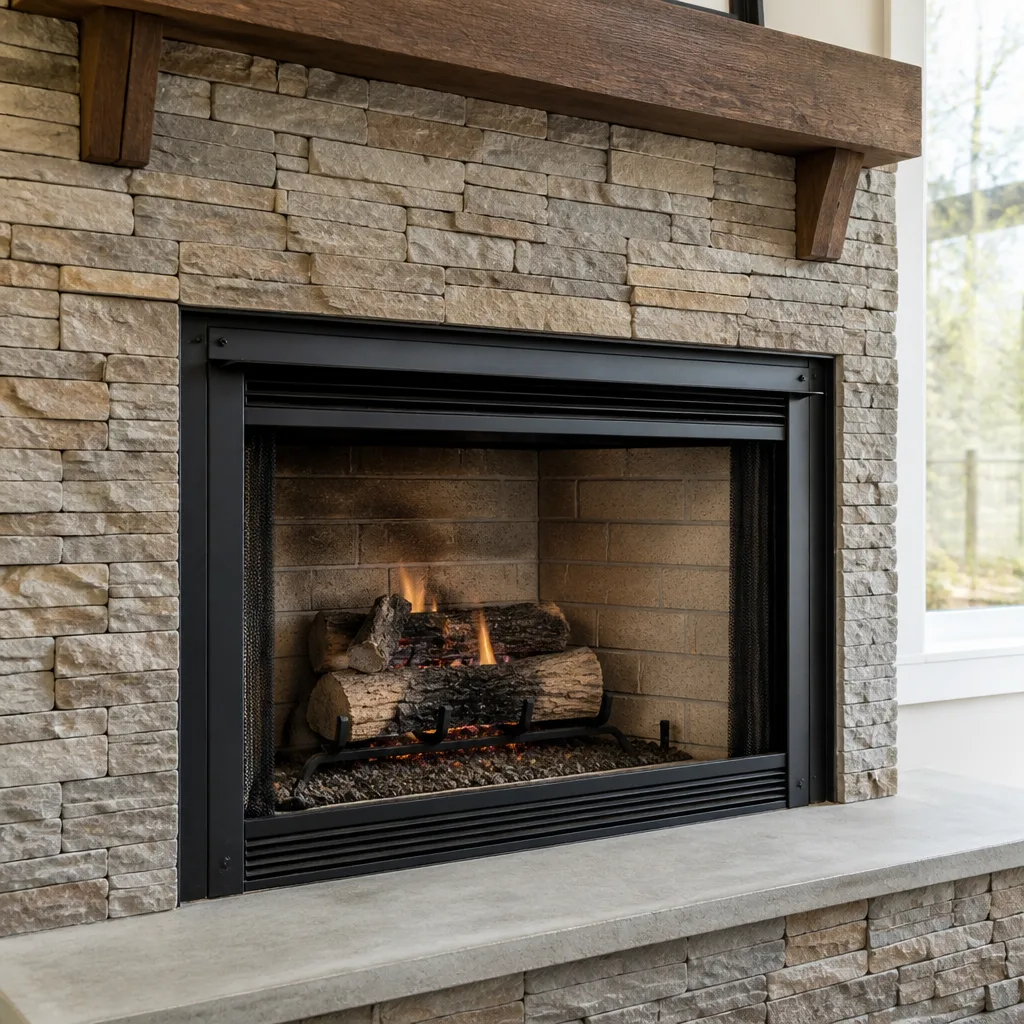 Gas fireplace service
Level 1 sweep and inspection to the NFPA 211 annual standard - flue, crown, cap, and flashing checked and photographed
Chimney sweep logs do not sweep chimneys. They loosen some creosote - which then falls where a brush and vacuum still have to collect it.
How to Hire a Chimney Cleaning Contractor in Clearfield: A Step-by-Step Guide
A ladder and a brush don’t make someone a chimney technician. But in Utah, nothing legally stops an unlicensed handyman from advertising chimney cleaning, and that’s the gap this guide closes. The homeowner who hires on price alone often ends up paying twice: once for the sweep, and again when a Hidden problem surfaces a season later. What follows is a practical vetting process for Clearfield homeowners with wood-burning or gas fireplaces who want the system inspected, cleaned, and protected by someone who actually knows flue science. You’ll learn how to read a quote, verify a credential, ask the liner questions that separate specialists from dabblers, and compare bids that describe the same work in completely different words. Clearfield sits in a cold-inland valley where winter puts a real load on any chimney, and the contractor you choose should understand that, not just show up with a shop vac.
Quick Answer
Hire a Clearfield chimney contractor by verifying a CSIA-certified technician, confirming liability insurance and a physical Utah business address, and asking for camera documentation of the flue before work begins. Request a written, line-item estimate that names NFPA 211 as the standard and covers inspection, sweeping, and liner evaluation as separate tasks. If any of those are missing, walk away.
Styles & brands we work with
- Sweep & inspection
- Caps & crowns
- Flue relining
- Masonry repair
- Gas fireplace service
Table of Contents
- Why Hiring a Chimney Contractor in Clearfield Is Different
- Step 1: Verify CSIA Certification and Credential Numbers
- Step 2: Check Insurance and a Physical Utah Address
- Step 3: Read the Quote Like an Inspector
- Step 4: Ask the Liner Evaluation Questions
- Step 5: Compare Quotes That Don’t Use the Same Words
- Step 6: Demand Camera Documentation
- Step 7: Think Beyond the Sweep – Caps and Crowns
Why Hiring a Chimney Contractor in Clearfield Is Different
Clearfield’s winters are long and cold, and that means its fireplaces burn hard for months at a stretch. A chimney heating up and cooling down repeatedly develops a specific wear pattern: expansion and stress on the clay tile liner, mortar joints that give way at the seams, and crowns that crack from freeze-thaw cycling. A contractor who works mostly in warmer climates may not recognize those patterns on sight. A technician who works in Clearfield every season will.
The local housing stock matters too. Clearfield has a mix of older homes built in the mid-twentieth century alongside newer construction, and the two require different approaches. Older masonry chimneys often have unlined or degraded flues. Newer homes frequently use factory-built chimneys with specific manufacturer components. Sweeping them is not the same job.
There’s also a market problem specific to northern Utah. Because chimney work requires no state license to advertise, anyone with a van can print “chimney cleaning” on the side. Some of those operations are perfectly competent. Many are not. The vetting process below is how you tell the difference before you give someone access to your home and your fireplace.
- Cold-climate wear: Clearfield’s freeze-thaw cycles stress crowns, mortar joints, and flue tile in ways coastal or mild-winter homes don’t experience.
- Mixed housing stock: Older masonry chimneys and newer factory-built systems require different tooling and expertise.
- Unregulated advertising: Utah has no licensing requirement specific to chimney sweeping, so credentialing is entirely on the homeowner to verify.
- Local code requirements: Most cities require a permit for chimney repair or relining. Ask your city’s building department to confirm before structural work begins.
Step 1: Verify CSIA Certification and Credential Numbers
The Chimney Safety Institute of America (CSIA) is the recognized credentialing body for chimney professionals. CSIA certification is not a gift with a purchase order. A technician earns it by passing a proctored exam covering codes, combustion, venting, and system behavior, and keeps it current through continuing education. That’s a real signal. An unaccredited “certification” from a private training company is not the same thing.
Here’s what CSIA certification actually verifies, and what it doesn’t:
- Verifies: knowledge of NFPA 211, the national standard for chimney and venting systems; understanding of combustion and venting; familiarity with inspection levels and reporting.
- Verifies: the technician has committed to a code of conduct and ongoing education requirements.
- Doesn’t verify: that the individual you meet is the certified tech. Ask for the technician’s name and credential number, then check the CSIA online directory yourself. That directory is public and free to search.
- Doesn’t verify: coverage for repair work like relining or masonry. Certification is a competence baseline, not a warranty on the business.
How to confirm a credential before booking:
- Ask the contractor in writing whether the technician arriving at your door is CSIA-certified, and request the credential number.
- Look up the number on the CSIA’s public directory. Match the name and business.
- Confirm the certified technician will actually be present on-site, not just consulted by phone.
- Ask whether the company also offers formal Level 1, Level 2, or Level 3 inspections consistent with NFPA 211, and which level your situation calls for.
In Clearfield, a CSIA-certified technician who’s actually doing the work on-site makes an outsized difference because the visual-only “sweep and go” approach common among handymen won’t catch liner degradation until it’s advanced. If a contractor can’t give you a credential number, treat that as a signal. Combining real certification with documented inspection is what our Chimney Sweep Clearfield approach is built around.
Step 2: Check Insurance and a Physical Utah Address
“Family-owned” and “years of experience” are words. They cost nothing to print. Liability insurance and a verifiable physical business address are the two things you can actually confirm before booking, and both matter enormously when someone will be climbing on your roof and working inside a chimney system connected to your home’s combustion air.
Ask for the certificate of insurance, not a verbal claim. A real certificate names the carrier, the policy limits, and the effective date. If the contractor can’t or won’t produce one, assume there’s no coverage and keep looking. If the policy is in the name of a different business entity, ask why.
A physical Utah business address means the company has a real, verifiable presence in the state – one you can cross-check against the Utah Division of Corporations. It doesn’t need to be your city. But a working street address and a registered entity name are meaningful. A PO box and a cell number are not.
- Request the insurance certificate in writing and read it. General liability should be present and current.
- Search the company name at the Utah Division of Corporations. If it isn’t registered, that’s a problem.
- Check whether the company name on the insurance certificate matches the business name on the quote and the registration.
- Be cautious of out-of-state numbers and address lists that change with every quote.
Ask directly: “Is your technician covered by your liability insurance while working on my property?” A specialist who has done this many times in Clearfield will answer without hesitation. A vague answer is its own answer.
Step 3: Read the Quote Like an Inspector
Chimney quotes are where the real winnowing happens. Low-level chimney work tempts contractors to underbid the inspection to win the sweep, then upsell damage once they’re inside your home. You don’t want to learn about a cracked crown after the check has cleared. You want it on the quote in front of you.
An honest Clearfield chimney quote should include these visible line items:
- The inspection, described at which level (Level 1 visual, Level 2 with camera, or Level 3 when warranted)
- The sweep itself, with the method and the tooling described
- A stated reference to NFPA 211 as the standard being applied
- Camera video or photo documentation, either included or explicitly offered as a separate line
- Any recommended repairs separated from the sweep price, not bundled into it
Red flags in a quote:
- A price so low that a competent inspection is impossible at that rate
- No mention of NFPA 211 or any code standard
- No mention of a camera or documentation – visual-only is the default for handymen
- Repairs bundled into the sweep with no diagnostic basis
- Verbal assurances instead of a written, itemized estimate
If the quote mentions HeatShield flue resurfacing or DuraFlex liner systems, that’s a good sign – those are professional-grade products. You want a contractor whose quote language shows they know the difference between a hardware-store liner and what a real flue system requires. The written estimate sets the final price, so insist on one.
Step 4: Ask the Liner Evaluation Questions
The single fastest way to tell a specialist from a sweep-and-go operator is to ask about your liner. A technician who has actually looked will have specific things to say about the flue’s condition. A tape-measure-and-brush outfit will hedge.
These are the questions that separate the two:
- What is my flue lined with, and what condition did the camera show? “Clay tile” is the starting answer, not the end of it. You want a description of joint condition, gaps, and tile integrity.
- Is there visible spalling, crack formation, or missing mortar at the joints? Those are the signs that lead to relining.
- What about the smoke chamber and the damper? Sloping surfaces and damper condition affect draft, and a sweep that ignores them isn’t complete.
- Is the crown intact, and what about the cap? A chimney without a working cap and crown is a system taking on water, which attacks everything else.
- If your technician finds damage, what are my options? A specialist should be able to discuss alternatives, including HeatShield flue restoration, which repairs damaged clay tile without demolishing your fireplace surround, versus full liner replacement using DuraFlex.
A contractor who can’t discuss any of this isn’t doing a full-service sweep; they’re doing a brush-out. In Clearfield, where chimney systems take a real beating from long winters, those distinctions show up fast. Our technicians have up to 9 years of experience working with brands like Olympia Chimney and Gelco, and that matters because it means the conversation about your flue goes past a guess.
Step 5: Compare Quotes That Don’t Use the Same Words
Chimney bids rarely describe the same work the same way, which makes apples-to-apples comparison maddening. One contractor’s “flue cleaning” might include a Level 2 inspection and camera documentation. Another’s might be a brush on a rope. Same three words, entirely different scope.
What to do:
- Ask each contractor to confirm, in writing, whether their quote includes a Level 2 inspection with camera documentation.
- Ask each to state which NFPA 211 level applies and why.
- Ask for the sweep and inspection to be listed as separate lines, then compare like with like.
- Ask whether any recommended repairs were found on video or inferred from visual-only.
- Compare the price of the documented baseline, not the extras.
A common trap is a low inspection price that gets reframed later. If the quote separates the sweep from the inspection, and the inspection includes camera footage, you’re comparing real scope. If the quote is a flat number for “chimney work” with no breakdown, you’re comparing words that carry different meanings from one bidder to the next.
Once the formats match, the comparison becomes meaningful. Two bids for the same documented scope are a fair comparison. Anything else is theater.
Step 6: Demand Camera Documentation
Camera documentation turns an inspection from an opinion into evidence you can look at yourself. It’s how you see the liner, the smoke chamber, the crown interior, and any joints or offsets you would otherwise take on faith. That matters because your hesitation – the real one – is being told you need expensive liner or masonry work with no way to verify it.
Here’s what documentation should include:
- A video walk-through of the flue, inside the chimney
- Still images at the points where a problem was identified
- A written description tying each photo to a location and condition
- A recommendation that distinguishes immediate work from work that can safely wait
If documentation isn’t offered, ask for it before you book. A contractor who scans the flue and waves the results at you is providing data. That’s the difference between a sweeping and an inspection.
Step 7: Think Beyond the Sweep – Caps and Crowns
Most homeowners think the job ends when the flue is clean. It doesn’t. The sweep resets the system, but the crown and cap are what keep it from going back to the same condition. Rain, snowmelt, and freeze-thaw all work on the crown, and any crack there lets water into the masonry. A cracked crown can drive water down through the flue and into the smoke chamber and the mortar joints, which is exactly the environment that produces hidden deterioration between sweeps.
The cap is the other half. An uncapped chimney is an open invitation to water, animals, and debris. Three things to confirm with your contractor:
- Does the crown need repair before the winter schedule?
- Is the cap properly sized and mounted to protect the flue opening?
- Does the recommendation for cap and crown work come from the documented inspection, not a hunch?
When a chimney contractor works with products like Famco caps, they can match the cap to the flue’s actual dimensions rather than guessing. If caps and crowns aren’t mentioned at all in the inspection discussion, ask. “Protect what we just cleaned” is a position any serious specialist in Clearfield should be able to explain.
Common Mistakes to Avoid
- Hiring on price alone. A cheap sweep that skips the camera inspection is expensive later. In Clearfield’s cold winters, the damage between sweeps compounds quickly, and the “cheap” bid runs up the cost of the real work.
- Not verifying the credential number. “CSIA-certified” is a claim until you check it. The directory is public and free, and the check takes two minutes.
- Taking insurance on faith. Ask for the certificate. A contractor who can’t produce one isn’t covered, and you’ll be the one paying if something goes wrong on your roof or inside your home.
- Accepting a verbal-only inspection. Photos and video show what a hand-wave can’t. If documentation isn’t offered, ask for it before anything gets cleaned.
- Confusing “family-owned” with qualified. That phrase means nothing without a registered Utah address and a current policy behind it. Ask for both and check both.
- Comparing quotes without matching the scope. If one quote says “sweep and inspect” and the other says “sweep,” you’re not comparing bids. Ask each contractor to break out inspection level, documentation, and sweep.
- Skipping the cap and crown conversation. Water damage is the slow leak that doesn’t show up until it’s structural. Talk about the perimeter of the system, not just the flue.
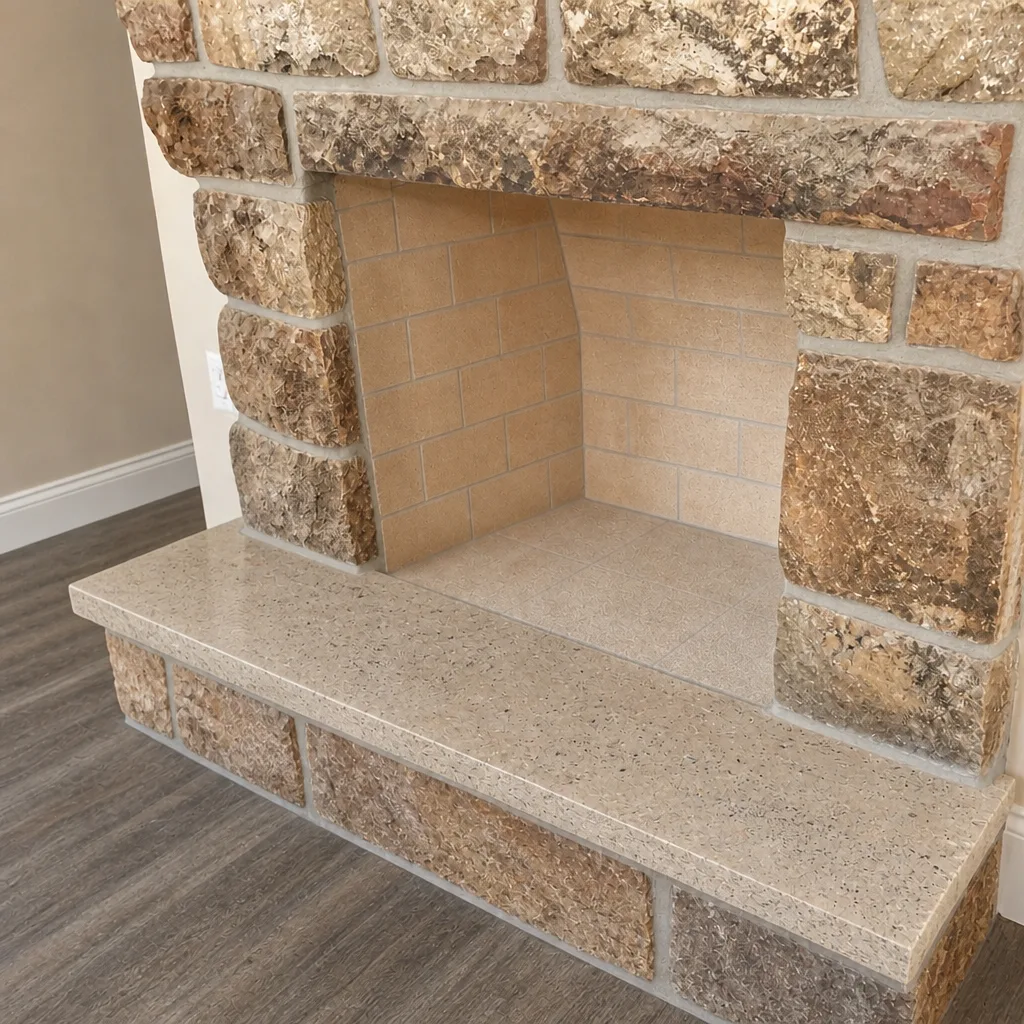
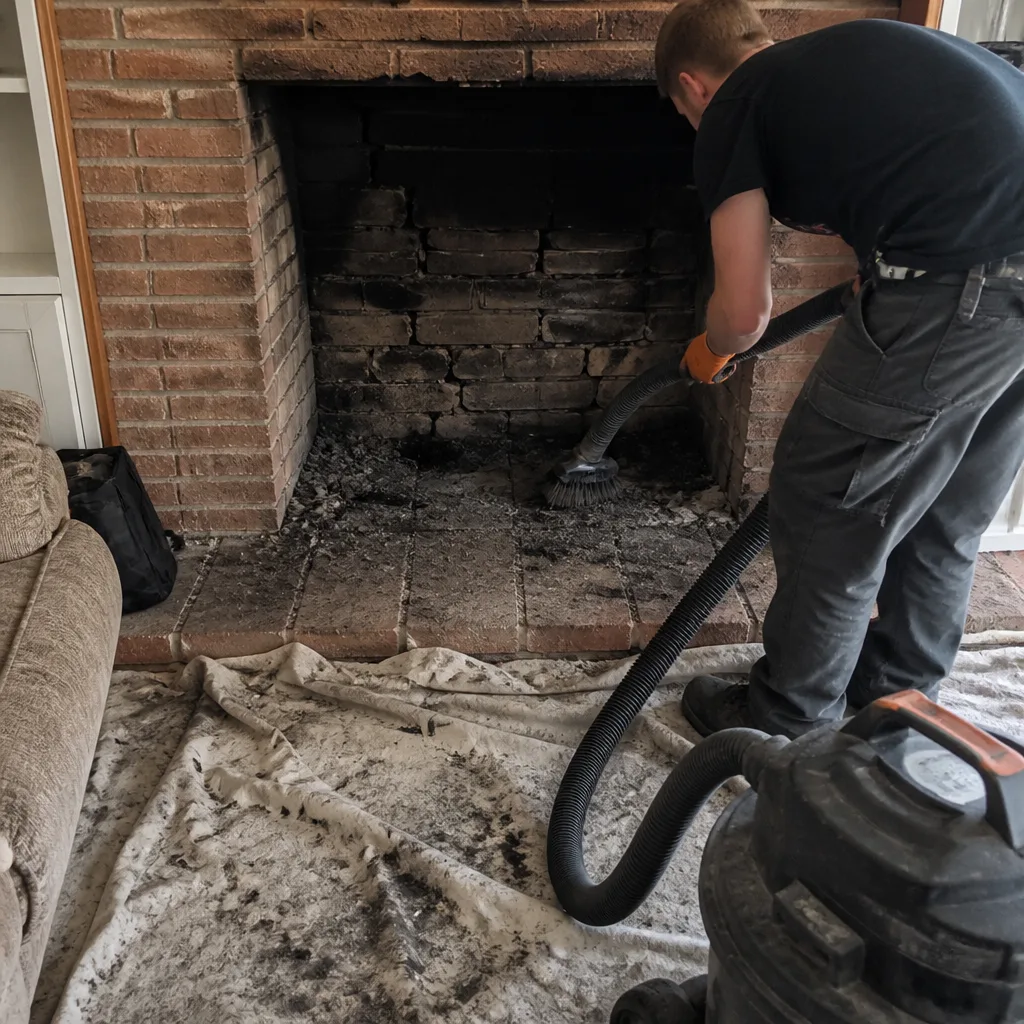
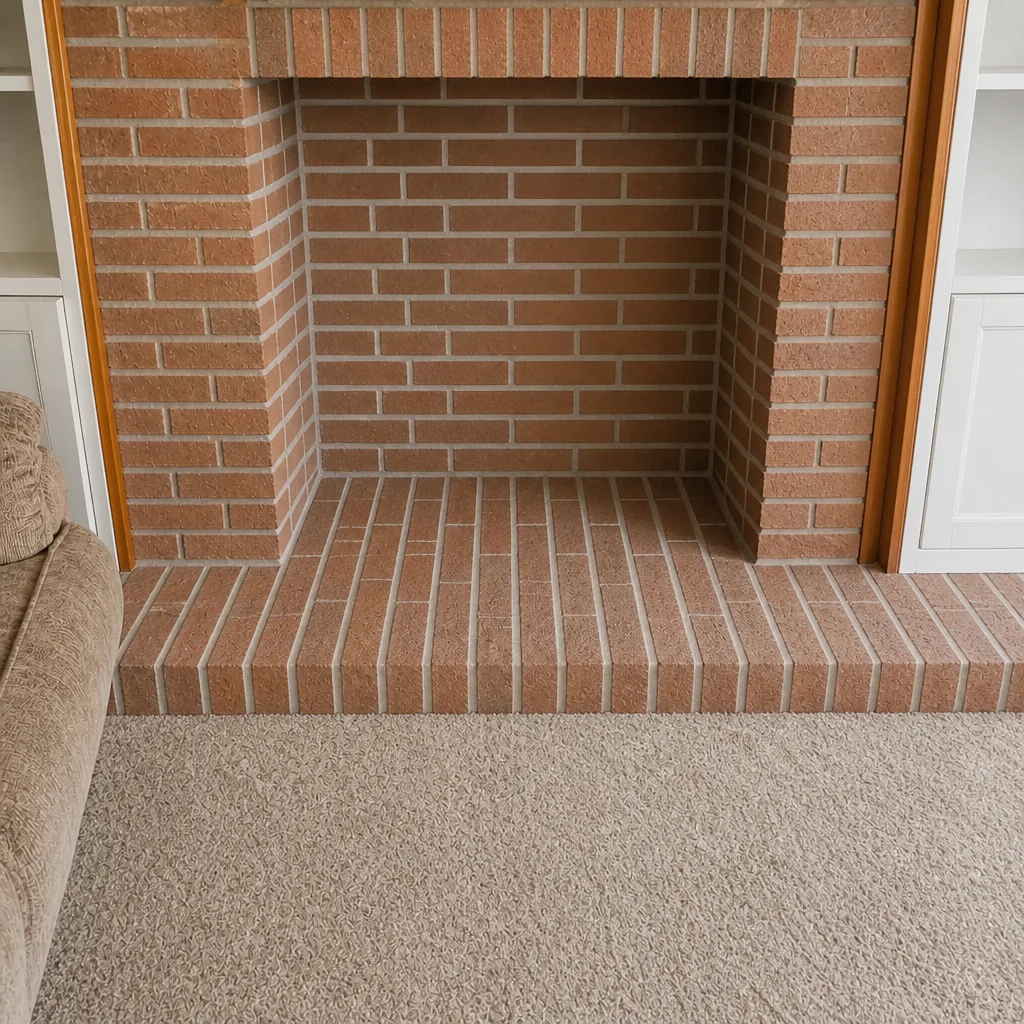
See the difference
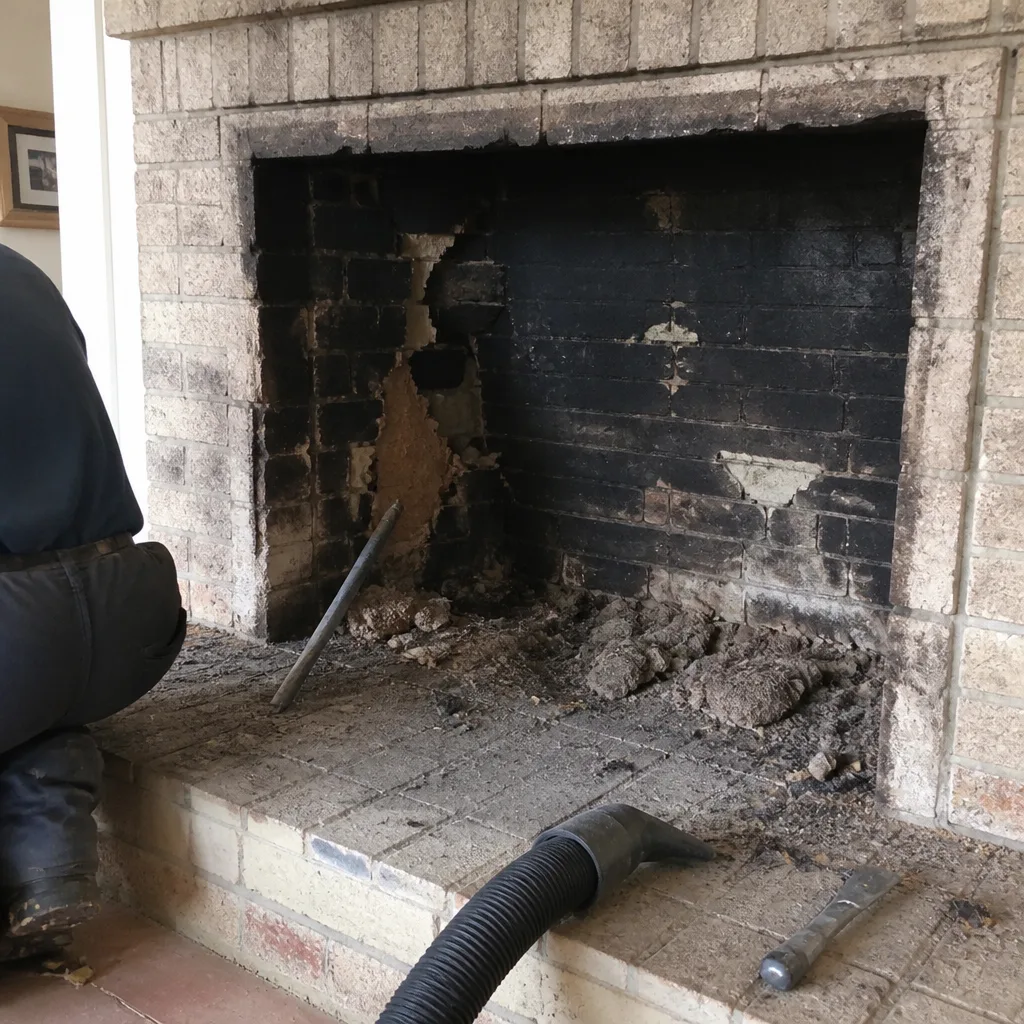 Before
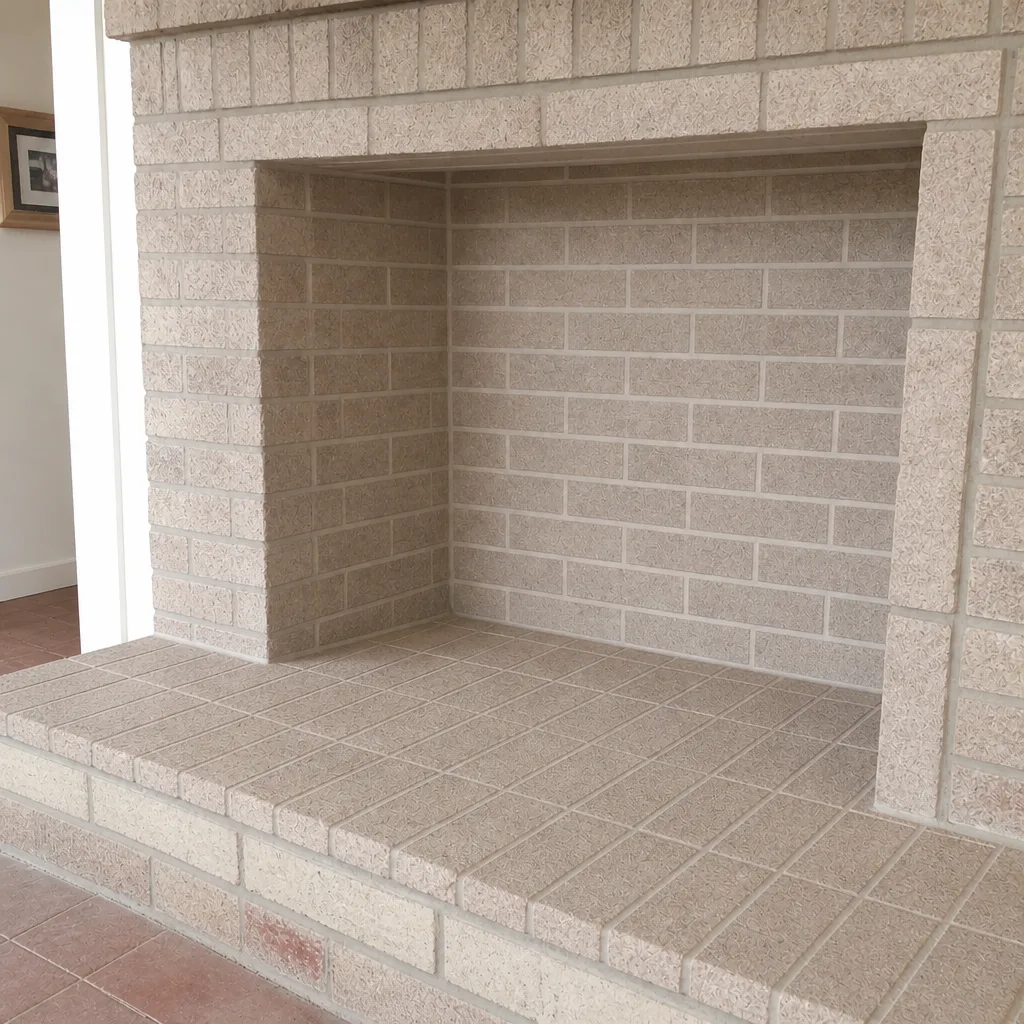 After
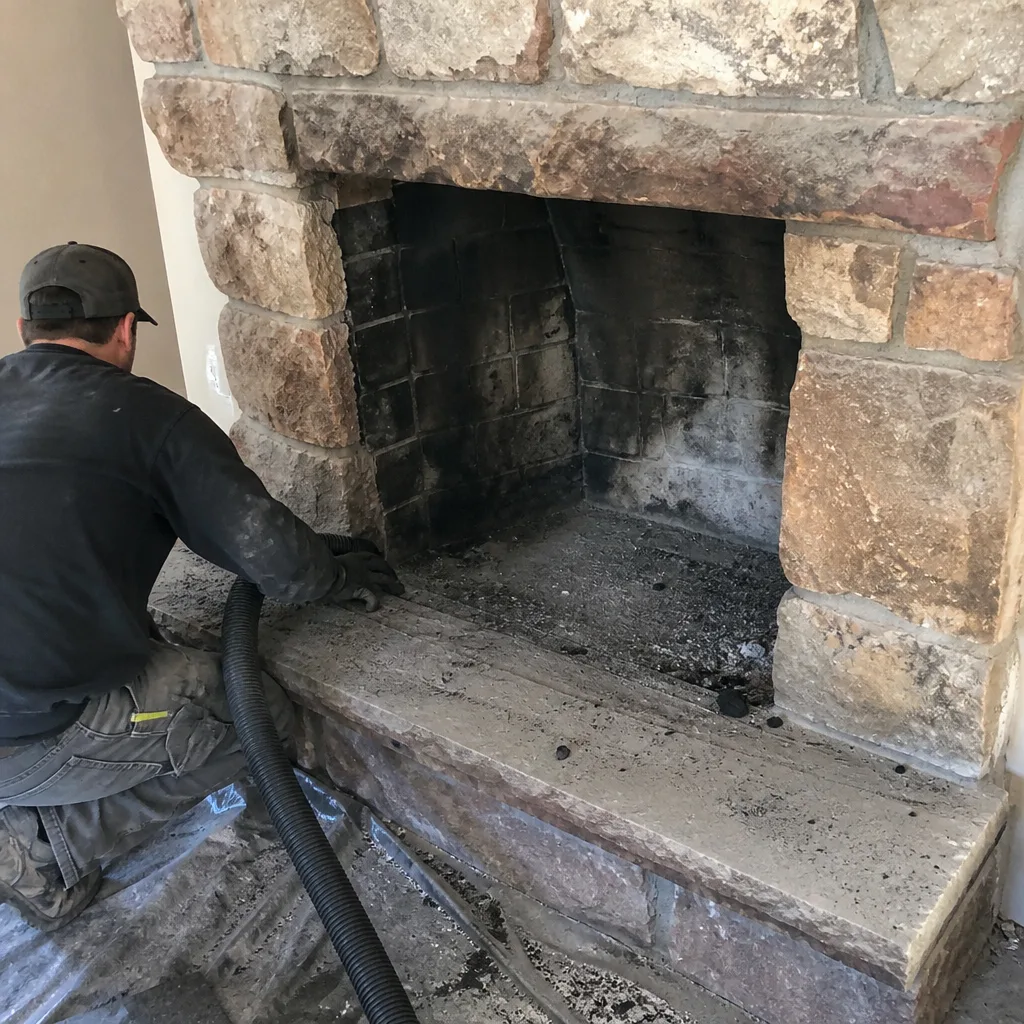 Before
 After
 Before
 After
When to Call a Professional
Some chimney work is seasonal maintenance. Some isn’t. Call a professional when the last sweep was more than a heating season ago, when smoke backs into the room during a fire, when you smell a strong creosote odor in warm weather, or when the damper sticks, the crown shows visible cracking, or the cap is missing or damaged. If you’ve noticed staining on the masonry near the roofline or a soft spot where a water stain shouldn’t be, get it inspected. If a fire has ever burnt inside the flue – even a small chimney fire that self-extinguished – a Level 2 camera inspection is the only way to know what it did. Same-day service is often available. Chimney Sweep Clearfield offers free estimates in Clearfield – call (877) 820-8427. We answer 24/7. Fast dispatch from 7am to 7pm, Sunday through Friday.
Frequently Asked Questions
Clearfield chimney sweeping and inspection is priced per job by a written estimate you receive before any work is booked, so you know the number before we pick up a brush. The estimate separates the inspection from the sweep so you can see exactly what you’re paying for. Call (877) 820-8427 and we’ll walk you through what your system typically needs – estimates are free.
Only if the inspection and camera footage show the liner is damaged or no longer suitable. If the flue is sound, it doesn’t need relining. If it is damaged, we explain the options plainly, including HeatShield restoration for clay tile damage and DuraFlex relining where a full replacement is the right call, and we show you the evidence so you can decide for yourself.
The general rule is once a year for a wood-burning fireplace in active use, and more often if you burn heavily or use unseasoned wood. In Clearfield, the long heating season means an annual sweep and inspection is a floor, not a ceiling. If you’re not sure when it was last done, have it inspected rather than waiting. Call (877) 820-8427 for an exact quote – estimates are free.
Creosote builds up inside the flue and, if it’s left long enough, can ignite – which is what a chimney fire is. Separately, an obstructed or damaged flue can let combustion gases, including carbon monoxide, back into your home. The risk is real but it’s avoidable, and it doesn’t move at a fast pace. If the last sweep was a season ago or longer, book an inspection now. Call (877) 820-8427 – we answer 24/7.
Most cities require a permit for repair work such as relining or structural masonry. It varies, so confirm with your city’s building department before work begins. A contractor who can’t tell you whether a permit applies, or who brushes off the question, is a signal that their process isn’t careful. We’ll tell you plainly what to check and what an exact quote for the work looks like.
Nothing in Utah law prevents one from advertising chimney work, but that doesn’t mean they can do it well. A sweep without a camera inspection and without the ability to discuss liner condition is a brush-out, not a service. The specialist’s job is to see the whole system – chimney, repair, and fireplace – and to document what’s there. If you want the full picture, that’s what our chimney sweep and inspection process is designed to provide.
The Bottom Line
Hiring a Clearfield chimney contractor comes down to verification, documentation, and scope. Confirm the CSIA credential number yourself, get a certificate of insurance, cross-check the business with the Utah Division of Corporations, and ask for camera documentation before work begins. Read the quote for NFPA 211, separated line items, and a stated inspection level. Compare bids once the language lines up. If those checks pass, the hard work of protecting the flue from Clearfield’s climate and water is genuinely in capable hands. If you want a straight conversation about your system, our chimney repair and fireplace repair teams work with the same materials professional chimney technicians specify – HeatShield, DuraFlex, Gelco, Olympia Chimney, Famco – not hardware-store substitutes.
To get started, call (877) 820-8427. We answer 24/7. Fast dispatch from 7am to 7pm, Sunday through Friday. Estimates are free, and the written estimate sets the final price.
Written by the team at Chimney Sweep Clearfield.