
Last updated November 24, 2026
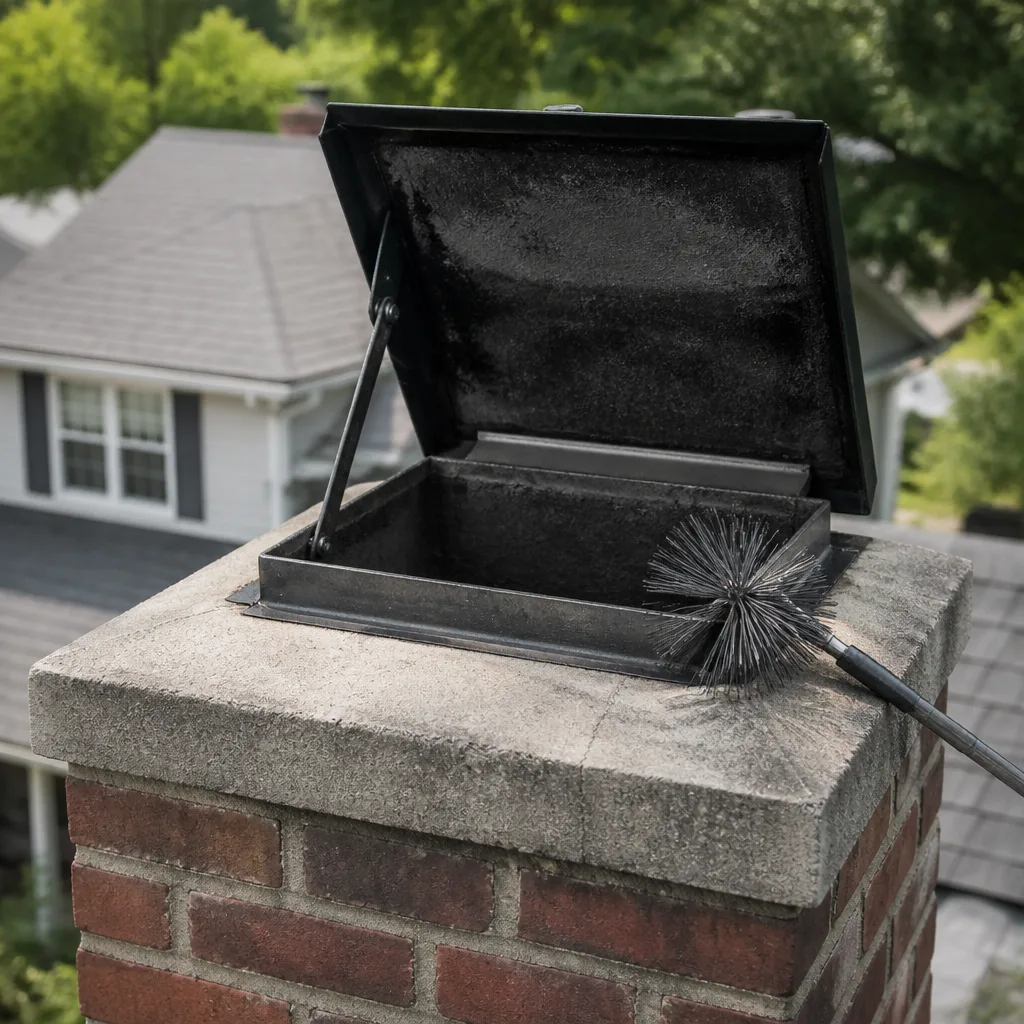 Sweep & inspection
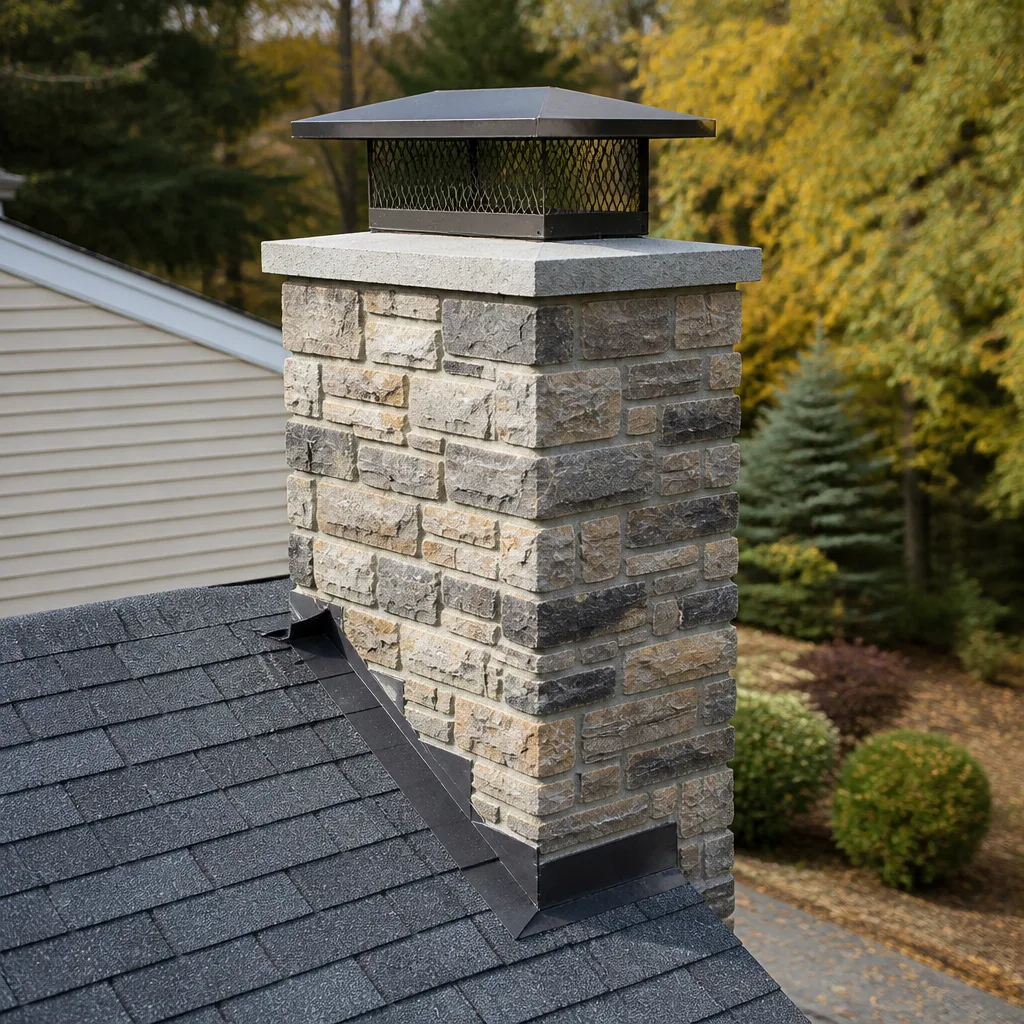 Caps & crowns
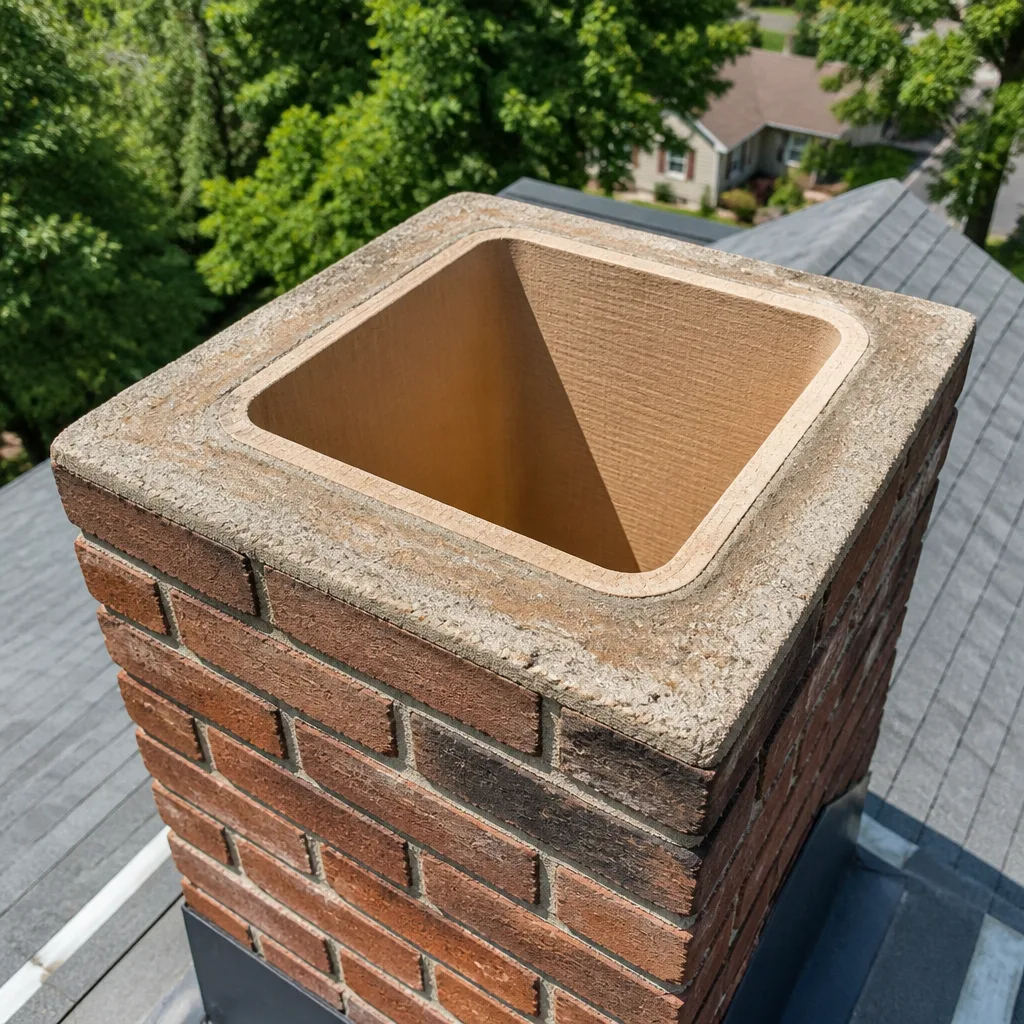 Flue relining
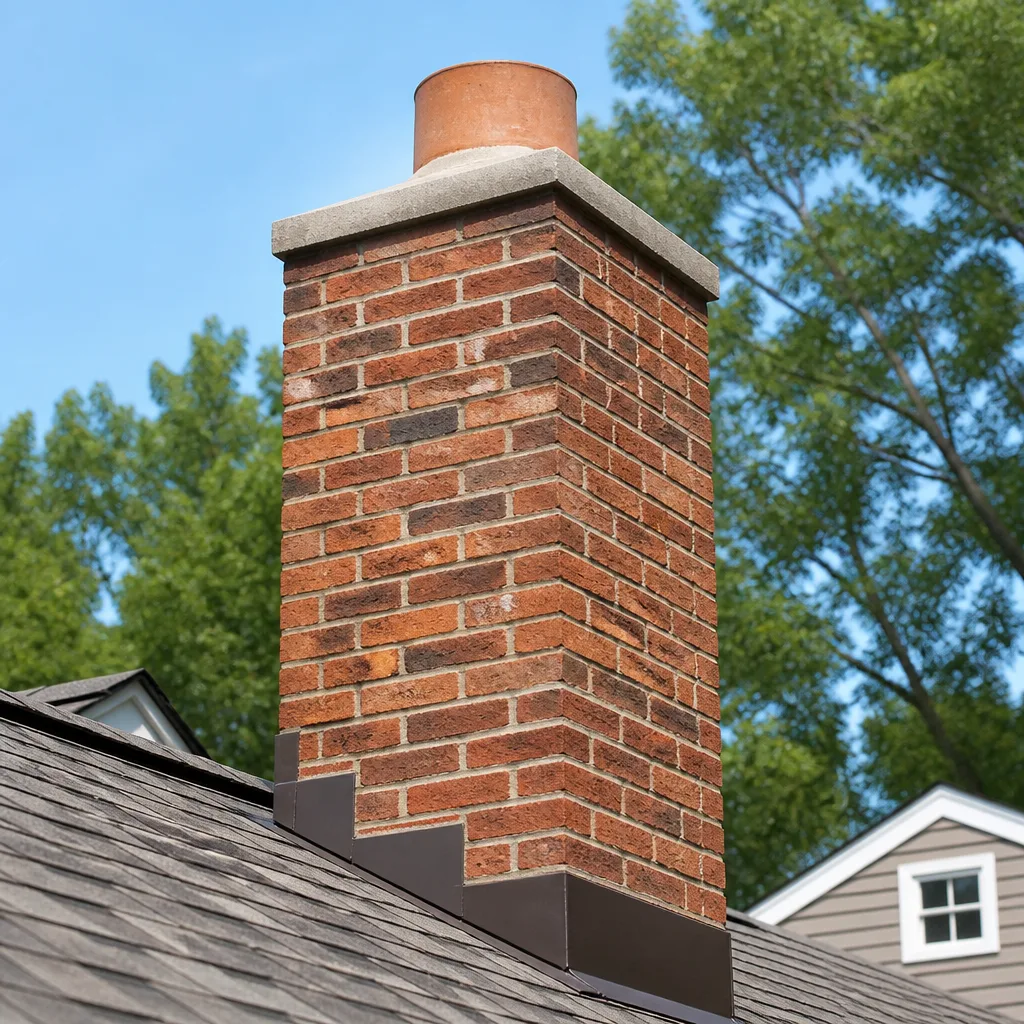 Masonry repair
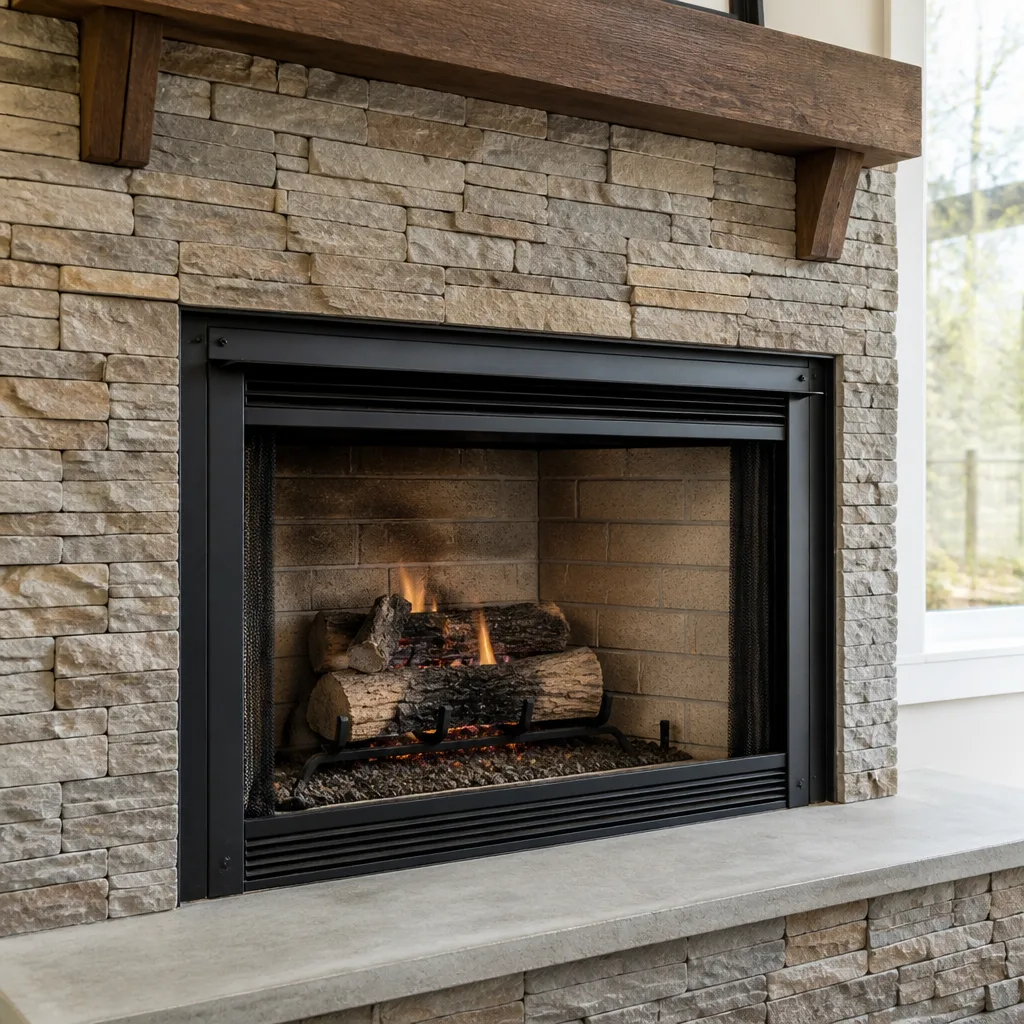 Gas fireplace service
Level 1 sweep and inspection to the NFPA 211 annual standard - flue, crown, cap, and flashing checked and photographed
Chimney sweep logs do not sweep chimneys. They loosen some creosote - which then falls where a brush and vacuum still have to collect it.
Seasonal Chimney Cleaning Care for Clearfield: Year-Round Homeowner’s Guide
Most homeowners treat the chimney like a furnace filter: ignore it until something goes wrong, then deal with it in a hurry. That approach misses the real story. In Clearfield, the season that does the most damage to a chimney is the one with no fire in it at all. Summer moisture works its way into unprotected masonry through a failing crown, and it has four quiet months to break down mortar before you strike the first match in October. By the time you notice, the repair is bigger than a sweep would have been. This guide walks through what each Clearfield season actually does to a chimney system, and how to build a care calendar around the local climate instead of generic advice written for a different part of the country.
Quick Answer
A year-round chimney care plan for Clearfield means four distinct checkpoints: a summer waterproofing and cap inspection before the wet season, a fall sweep and pre-season inspection before your first fire, a mid-winter draft check because Clearfield’s temperature inversions change how smoke and creosote behave, and a spring moisture and flashing assessment after freeze-thaw cycling. One annual sweep alone won’t protect a chimney here. The seasons each bring a different stressor, and each one needs its own attention.
Styles & brands we work with
- Sweep & inspection
- Caps & crowns
- Flue relining
- Masonry repair
- Gas fireplace service
Table of Contents
- Why seasonal care beats an annual sweep in Clearfield
- Summer: the season that quietly damages Clearfield chimneys
- Fall: timing the sweep and the pre-season inspection
- Winter: inversions, draft, and mid-season creosote patterns
- Spring: moisture assessment, efflorescence, and flashing
- How to build a Clearfield chimney calendar
- Common mistakes to avoid
- Frequently asked questions
Why Seasonal Care Beats an Annual Sweep in Clearfield
An annual sweep is the minimum, not the ceiling. A sweep removes what’s already in the flue. It doesn’t stop water from getting in next spring, and it doesn’t tell you that the crown developed a hairline crack over the winter. Those two problems, water intrusion and unnoticed masonry decay, cause more expensive chimney damage in Clearfield than soot ever does.
Here’s the part that surprises people: Clearfield’s climate puts real stress on masonry in both directions. Summer heat pulls moisture into the porous surface of brick and mortar. Winter cold freezes that moisture and expands it, which is what actually cracks mortar joints and spalls brick faces. The freeze-thaw cycle is the mechanism. Summer moisture loading is the setup. If you block the water in summer, the winter freeze has far less to work with.
Clearfield sits in a stretch of northern Utah where the seasonal swings are wide and the wildfire smoke and winter inversions both affect air quality and how a chimney performs. That’s not a detail you’ll find in a national chimney-care article, and it’s exactly why a calendar built for a mild coastal climate doesn’t fit a Clearfield home. Our technicians have up to 9 years of experience working chimneys in this specific climate, and the pattern is consistent: the homes that get swept every fall but never inspected for water intrusion are the ones that come back needing masonry work.
Treating each season as a separate threat also makes the work cheaper over time. Small repairs caught early stay small. A crown sealed before it fails is a fraction of the work of a rebuild. A liner restored before it cracks is far simpler than a full reline. Seasonal care is really about catching problems at the cheapest possible moment.
Summer: The Season That Quietly Damages Clearfield Chimneys
Summer is when a chimney sits idle and exposed, and that’s the problem. With no fire to dry things out, moisture has all the time it needs. In Clearfield’s dry summer months, the threat usually isn’t rain falling directly down the flue. It’s water absorbed through a failing crown, cracked mortar, or worn flashing, then held inside the masonry where it can’t evaporate quickly.
Summer waterproofing priorities
Waterproofing is the single highest-value summer task. It’s also the one most homeowners skip, because the chimney looks fine from the driveway. The priorities, roughly in order:
- The crown. The concrete cap on top of the chimney is the first line of defense. Hairline cracks let water straight into the masonry below. A crown that’s cracked, spalling, or pulling away from the flue needs repair before the wet season, not after.
- The cap. A chimney cap keeps rain, snow, and animals out of the flue opening. A missing or damaged cap lets water run in unobstructed and gives birds and squirrels an open door.
- Masonry and mortar. Repointing worn mortar joints in summer prevents water from finding paths into the brick. Once water gets behind the brick face, freeze-thaw does the rest.
- Flashing. Where the chimney meets the roofline, flashing keeps water from pooling. Summer is the time to catch gaps before fall rains test them.
Why unused flues attract nesting debris in Clearfield’s dry months
A flue that sits unused all summer looks like a protected, dry, elevated cavity to birds and small animals, and it’s exactly that. Clearfield’s warm dry months are peak nesting season, and an uncapped or loose-capped flue is prime real estate. Nesting material in a flue isn’t just an obstruction. It’s combustible, and it can block draft badly enough to push smoke and carbon monoxide back into the house. A properly fitted chimney cap closes that door. Caps and crowns aren’t upsells; they’re what keep tomorrow’s rain, snow, and wildlife from undoing today’s cleaning.
If you’ve noticed debris or a nest near the flue opening, get the flue inspected before fall. It’s far better to clear it in August than to discover the blockage with a fire lit in November. We work with Gelco and Olympia Chimney components for caps and terminations because they hold up to this climate and fit the systems already on Clearfield roofs.
Fall: Timing the Sweep and the Pre-Season Inspection
Fall is when most Clearfield homeowners think about the chimney, and they’re right to. The fall sweep and inspection is the on-ramp to the burning season. The question is when to do it. Too early, and you sweep away buildup that a few more weeks of mild burning would have added anyway. Too late, and you’re calling after the first cold snap along with everyone else.
When to schedule the fall sweep
- Before the first fire, not after. Get the sweep done while the weather is still mild, ideally several weeks before you expect your first serious burn. That gives time for any repairs the inspection uncovers to be completed before you need the fireplace.
- Aim for the pre-season window, not the peak. Late summer into early fall is a sensible window for a Clearfield sweep. Book it while the schedule is open rather than waiting for the first cold night to remind you.
- If you burned heavily last season, sweep earlier. A flue with a heavy creosote load from last winter shouldn’t wait. Get it checked at the start of the fall window so there’s room to address anything the inspection finds.
A fall chimney sweep is the starting point, but the inspection is where the value sits. A documented inspection is not a quick visual once-over. It’s a system assessment that records what’s found, so you have a baseline. The pre-season inspection needs to confirm a few specific things before the first fire: that the flue is clear of nesting debris and any obstruction from summer, that the liner is intact with no cracks or gaps that could let heat or gases escape, that the crown and cap are sound, that the damper operates, and that the firebox and smoke chamber show no cracks that could compromise the system. If any of that comes back questionable, you want to know in September, not on the night of the first freeze.
This is also the moment to think about the liner specifically. A damaged clay tile liner is the ceiling on how safely the chimney can be used. If the inspection finds cracks, HeatShield flue restoration can repair a deteriorated clay liner without tearing the masonry apart, which is a real option many chimney companies simply don’t offer. For a flue with offsets or a complicated shape, a DuraFlex flexible liner is the professional-grade way to reline it, and it’s not something a hardware-store kit handles. We’ve seen plenty of Clearfield roofs where the right answer was cheaper and faster than the homeowner expected, and the only way to know is to look honestly first.
Winter: Inversions, Draft, and Mid-Season Creosote Patterns
Winter is when the chimney actually works for a living, and in Clearfield it works under conditions that don’t show up in a general care article. Temperature inversions are the key local factor. When a layer of warmer air sits above colder air trapped near the valley floor, the chimney’s ability to pull smoke up and out changes. Draft weakens. Smoke lingers. And the way creosote deposits form in the flue shifts, which matters for how safely the chimney is burning mid-season.
How inversions affect draft
A chimney relies on the temperature difference between the flue gases and the outside air to create draft. In a normal winter, cold outside air makes the flue pull strongly. During a Clearfield inversion, the air near the ground is cold and stable, but the atmosphere above is warmer and acts like a lid. The pressure and temperature balance tilts, and the flue can lose some of its energy to expel smoke. Homes with a short chimney, a flue that runs through an exterior wall, or a fireplace insert that wasn’t sized for the application feel this first.
What you notice during an inversion: smoke rolling into the room when you light a fire, a fire that’s slow to catch, a smell of smoke even when nothing’s burning, or a fireplace that just feels “stuffy.” Don’t ignore any of these. A flue that isn’t drafting is a flue that can push carbon monoxide back inside. Make sure you have working carbon monoxide alarms on every level of the home regardless of chimney condition, and if the smell or smoke-back is persistent, get the system checked.
What inversions mean for creosote mid-season
When draft is weak, combustion is less efficient and flue gases move more slowly. That combination tends to deposit creosote differently than a strong-draft fire, concentrating buildup in places the homeowner can’t see. The practical takeaway for a Clearfield winter is to burn dry, seasoned wood, avoid smoldering low-temperature fires that produce the most creosote, and watch for signs of excess buildup: a strong creosote smell, reduced draft, or visible soot at the firebox. If last fall’s sweep felt recent but the fire is behaving differently by January, a mid-season check isn’t overkill. It’s exactly the kind of thing a seasonal approach catches that an annual event wouldn’t.
A note on creosote and safety, because this is where a chimney earns its reputation: creosote is highly flammable, and a chimney fire is a real hazard when it accumulates. The right response isn’t to burn hotter to “clean it out.” It’s to have a professional assess the flue. Our technicians know what a safe load looks like and what needs attention, and we always flag the danger rather than talk around it.
Spring: Moisture Assessment, Efflorescence, and Flashing
Spring is the inspection season that most homeowners never think about, and it’s the one that catches the damage a winter of freeze-thaw cycling leaves behind. By the time the last hard freeze passes, any moisture that got into the masonry over the wet and snow months has been through several expand-and-contract cycles. Spring is when you find out what that did.
What a spring moisture assessment looks for
A spring assessment starts with the question of where water is getting in and whether the masonry is holding up:
- Efflorescence. That powdery white staining on brick or mortar is a masonry warning sign. It’s salt drawn to the surface by moisture moving through the masonry. Some efflorescence is cosmetic, but recurring or heavy staining can signal ongoing water intrusion, and it deserves a look rather than a scrub.
- Spalling brick. When water inside brick freezes and expands, the face of the brick can pop and flake. Spalling means the masonry has been absorbing water and the freeze-thaw cycle is winning. It gets worse if it’s not addressed.
- Mortar joints. Crumbling or washed-out mortar after a winter of freezing and thawing concentrates water into the joint and starts the cycle again.
- The crown and cap, again. If either was damaged by winter weather, spring is when it shows. Catching a freshly cracked crown beats rebuilding it later.
Flashing after freeze-thaw cycling
Flashing is the metal that seals the seam where the chimney passes through the roof. Freeze-thaw cycling is hard on flashing, because the metal and the materials around it expand and contract at different rates. Spring is the right time to check for gaps, lifting, or rust. A small flashing gap that’s caught in spring is a quick fix. The same gap that goes unnoticed can let water into the roof decking and, eventually, into the living space below. This is one of those places where ongoing chimney repair attention pays for itself.
Spring is also when you’ll notice whether the fireplace and firebox came through the heating season intact. A firebox with a cracked liner brick or damaged panels should be assessed before the next season, and that’s fireplace repair work worth doing in the off-season while there’s no rush and no fire to worry about.
How to Build a Clearfield Chimney Calendar
The trick to year-round care is to stop thinking in terms of “annual sweep” and start thinking in terms of four checkpoints tied to the local climate. Here’s a simple calendar you can actually follow, built around Clearfield’s actual seasonal pattern rather than generic advice.
- Late spring (after the last hard freeze). Do a moisture assessment. Check for efflorescence, spalling, and flashed seams after freeze-thaw. Note anything that changed over winter. Book any masonry or flashing repair now so it’s done before summer.
- Early summer. Handle waterproofing, crown repair, and cap inspection before the wet season and before nesting season gets busy. If your cap is missing or damaged, replace it now. This is the window that saves the most money later.
- Late summer. Do the pre-season sweep and inspection. Clear out any nesting debris that built up in an unused flue, confirm the liner, crown, and damper, and get a documented baseline before the first fire. Schedule the Chimney Sweep Clearfield visit in this window rather than waiting for the first cold snap.
- Mid-winter. Watch the fire’s behavior. If draft weakens during an inversion, if smoke backs into the room, or if the smell of creosote gets stronger, that’s your signal to check in rather than push through. Burn dry wood and don’t run low smoldering fires.
You can see the logic in the sequence: spring and summer are about protecting the structure from water and freezing, while fall and winter are about the flue and the fire. Splitting the work this way means each season has a job and nothing falls through. It’s also more forgiving than a single annual appointment, because if you miss a window, you have the next checkpoint as a backup instead of waiting a full year.
If you’d rather not track it yourself, that’s fine. A documented chimney repair history from a specialist makes the calendar easier over time, because you’re not starting from zero each season.
Common Mistakes to Avoid
- Skipping summer because “nothing’s burning.” That’s backwards. Summer is when water intrusion does its slow damage. If you only think about the chimney during the heating season, you’ll never catch the crown crack that a fall storm will find.
- Sweeping but never inspecting. A sweep clears the flue. It doesn’t tell you whether the liner is cracked, the crown is failing, or the flashing has pulled loose. Ask for a documented inspection that records what’s found, not just a quick look.
- Ignoring smoke-back during a winter inversion. In Clearfield, a fireplace that puffs smoke into the room during an inversion is telling you something about draft and possibly about the flue. Don’t treat it as a quirk of the weather.
- Burning low, smoldering fires to “make the wood last.” That’s the fire that produces the most creosote. A hot, efficient fire with dry wood leaves less behind. In a Clearfield winter, the difference shows up in the flue.
- Putting off a crown or cap repair until the wet season. A cheap crown repair in late summer becomes masonry work after a winter of water cycling through it. Do it before the rain and snow, not after.
- Rewriting off efflorescence as a cleaning problem. That white powder is a symptom, not just a stain. If it keeps coming back after a scrub, get the masonry looked at.
- Assuming a hardware-store liner kit is good enough. Off-the-shelf components aren’t designed for the offsets and shapes common in Clearfield flues. The professional-grade materials your installer used, like the DuraFlex, Famco, and Copperfield systems we work with, exist for a reason.
See the difference
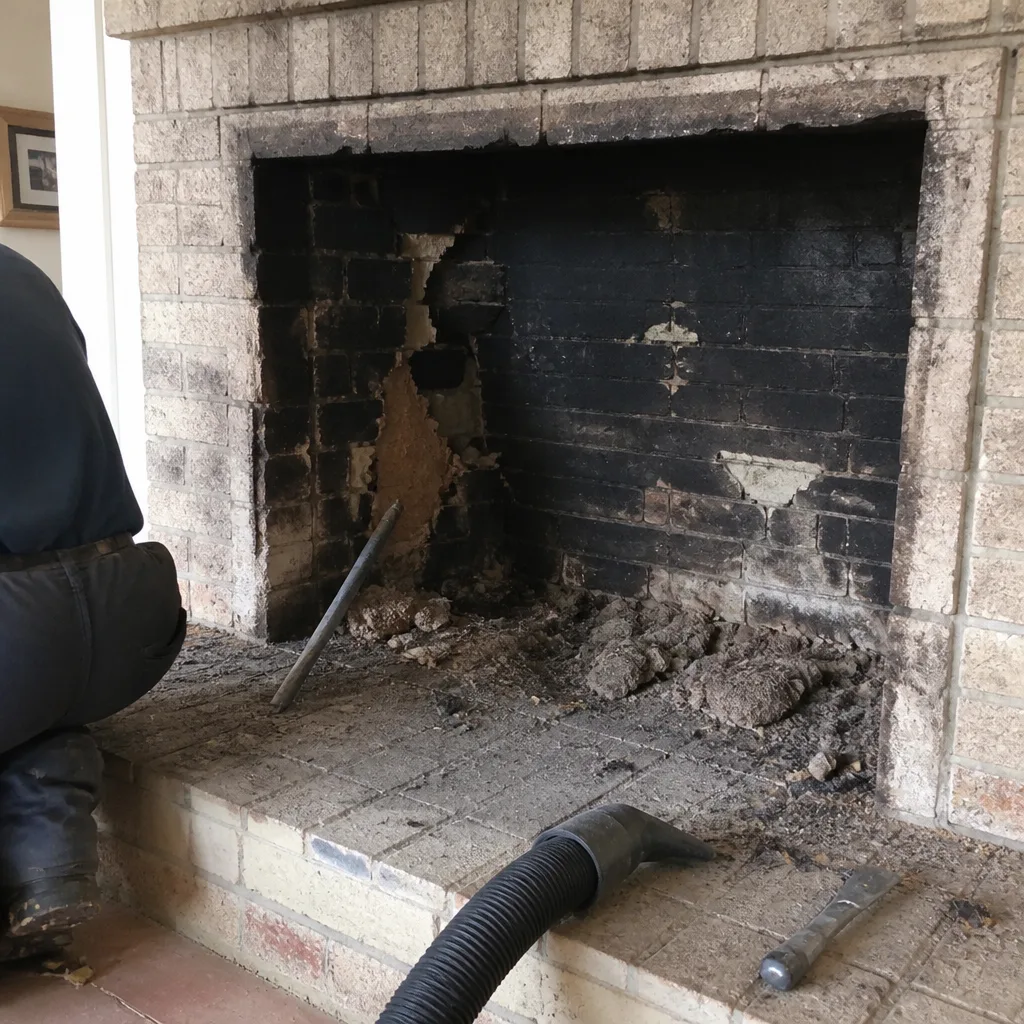 Before
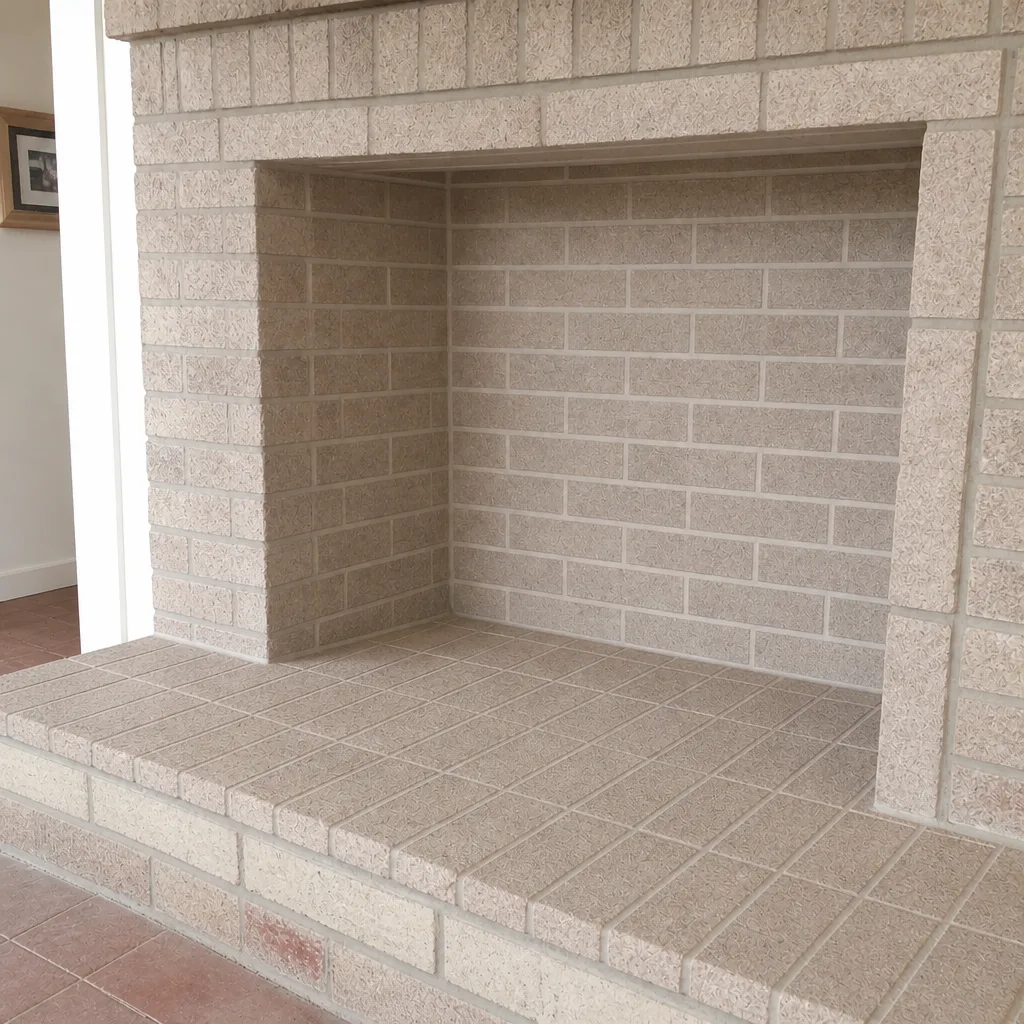 After
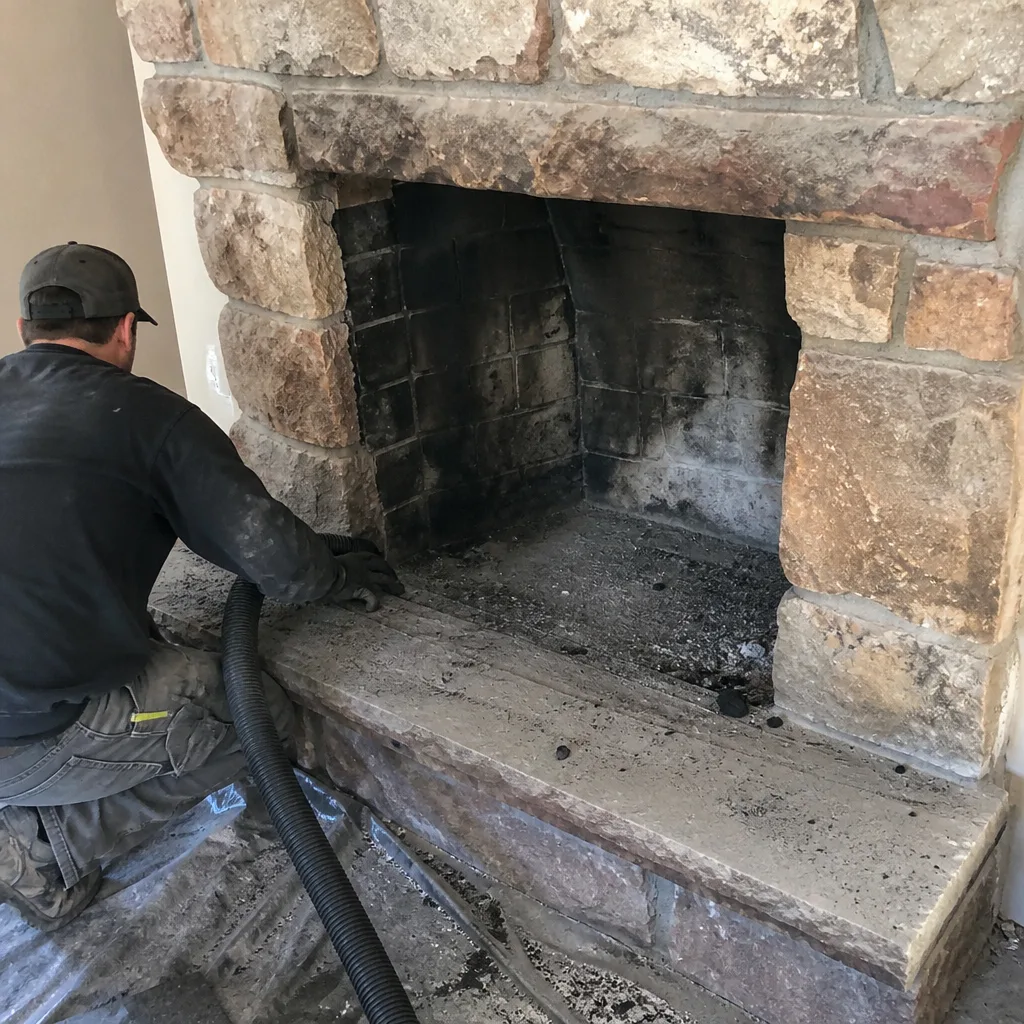 Before
 After
 Before
 After
When to Call a Professional
Some chimney problems are obvious. Others are only visible from the roof or from inside the flue with the right tools. Call a professional if you smell smoke or creosote inside the house, if smoke backs into the room when you light a fire, if you notice white efflorescence or spalling brick that keeps returning, if your carbon monoxide alarm has ever sounded near a burning fireplace, or if it’s simply been more than a year since the system was inspected. Those aren’t cases for a stronger fire or a hardware-store remedy. They’re cases for a documented assessment.
Chimney Sweep Clearfield offers free estimates in Clearfield. We handle the full system: sweep, inspection, caps and crowns, fireplace repair, and chimney repair, with HeatShield liner restoration for damaged clay tiles and DuraFlex relining for flues that need a new interior. We work with professional-grade industry brands, and we tell you plainly when work can safely wait. Call (877) 820-8427. We answer 24/7. Fast dispatch from 7am to 7pm, Sunday through Friday.
Frequently Asked Questions
Once a year is the baseline for most wood-burning chimneys, best done in the fall before the first fire. But the sweep is only part of it. A Clearfield chimney needs a summer moisture and cap inspection and a spring post-winter assessment as well, because the off-season does real damage if it’s ignored. Heavy burners, or homes that burn a lot of low-efficiency smoldering fires, may need the sweep checked sooner. Call (877) 820-8427 for an exact schedule recommendation given how you use your fireplace. Estimates are free.
The wide seasonal swings here do create year-round stressors that a single annual sweep doesn’t address. Summer humidity and rain work into unprotected masonry, winter freeze-thaw cycling cracks mortar and spalls brick, and Clearfield’s winter temperature inversions change how the flue drafts and where creosote builds. An annual sweep clears what’s already in the flue, but it doesn’t stop water intrusion in summer or catch a crown crack that opens in spring. Seasonal checkpoints catch each threat at the cheapest moment. Call (877) 820-8427 to talk through what your system needs.
Yes, more than most homeowners expect. An uncapped flue lets rain and snow straight in, and in Clearfield’s warm dry months it becomes a prime spot for birds and animals to nest. Nesting material is combustible and can block draft enough to push smoke and carbon monoxide inside. A properly fitted cap closes that door and is one of the cheapest pieces of chimney protection you can buy. If your cap is missing or loose, get it looked at before the nesting season. Call (877) 820-8427 for a free estimate.
Efflorescence is the powdery white staining on brick and mortar caused by salt that moisture carries to the surface as it moves through the masonry. Light, occasional staining can be cosmetic, but recurring or heavy efflorescence is a masonry warning sign that water is moving through the brick, which leads to freeze-thaw damage over time. If it keeps coming back after a scrub, have the masonry assessed. Call (877) 820-8427 to book an inspection. Estimates are free.
Often, yes. HeatShield flue restoration is a non-demolition repair system for damaged clay tile liners, which means the flue can be restored without the full tear-out that a traditional reline sometimes requires. It’s a specialist service many chimney companies don’t offer, and whether it’s right for your flue depends on the liner’s condition and shape. An inspection with camera evidence tells you which path makes sense. Call (877) 820-8427 for a free estimate.
Smoke backing into the room is a draft problem and an indoor air quality problem, and during a Clearfield winter inversion it may also point to a flue that needs attention. Don’t try to out-burn it with a hotter fire. Make sure your carbon monoxide alarms are working, crack a window to clear the smoking, and get the system inspected. Warm flue or cold flue, a properly working chimney shouldn’t push smoke inside. Call (877) 820-8427. We answer 24/7. Fast dispatch from 7am to 7pm, Sunday through Friday.
The Bottom Line
Clearfield’s seasons each put a different kind of pressure on a chimney, and a single annual sweep only touches one of them. Summer is when water intrusion quietly breaks down masonry. Fall is the window for a sweep and a documented pre-season inspection before the first fire. Winter inversions change draft and creosote patterns mid-season. Spring is when you spot what freeze-thaw left behind, from efflorescence to flashing. Build a calendar around those four checkpoints, protect the crown and cap before the wet season, and catch small repairs before they grow. That’s the whole approach. It’s less about one big annual chore and more about short, well-timed check-ins.
If you’d like a documented assessment to start your calendar, Chimney Sweep Clearfield provides chimney cleaning, inspection, repair, fireplace repair, and cap and crown work across Clearfield. Our technicians have up to 9 years of experience, and we tell you plainly when work can safely wait. Call (877) 820-8427 for a free estimate. We answer 24/7. Fast dispatch from 7am to 7pm, Sunday through Friday.
Written by the team at Chimney Sweep Clearfield.