
Last updated November 24, 2026
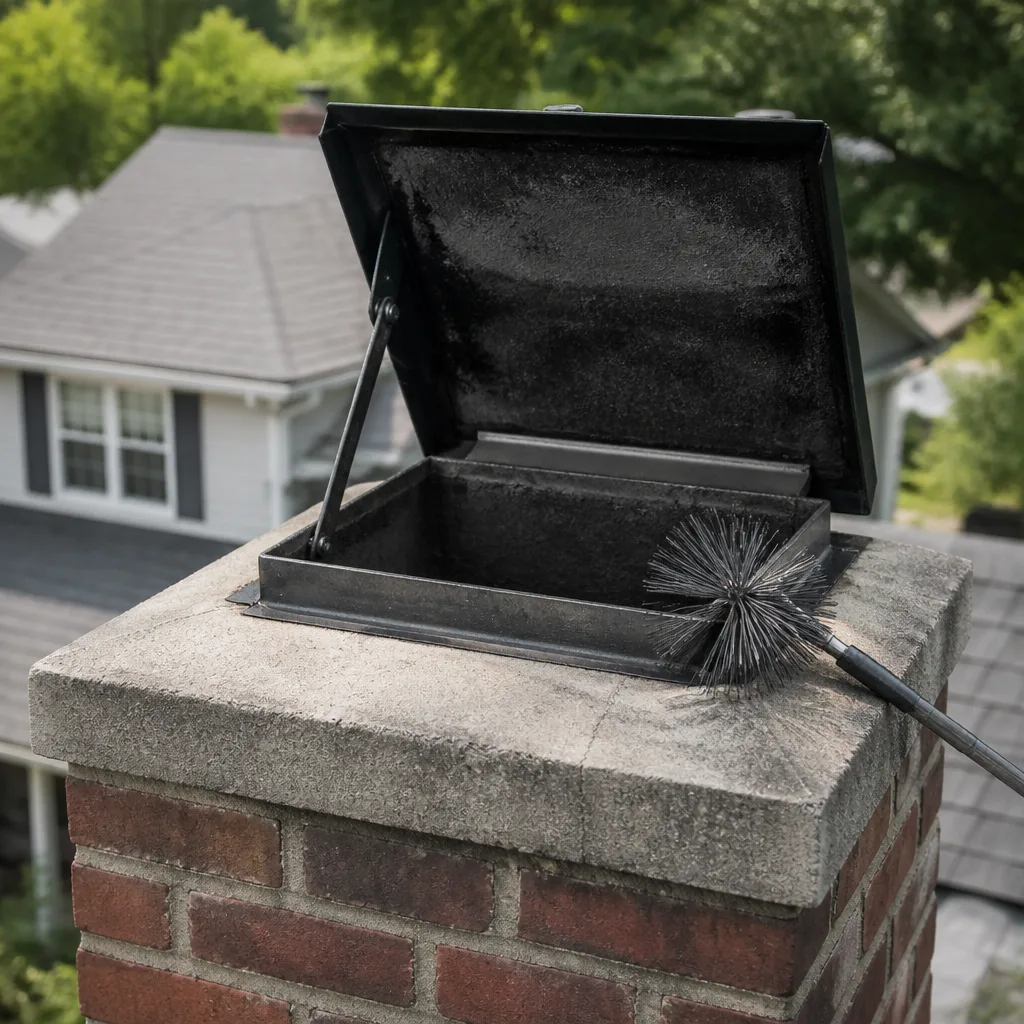 Sweep & inspection
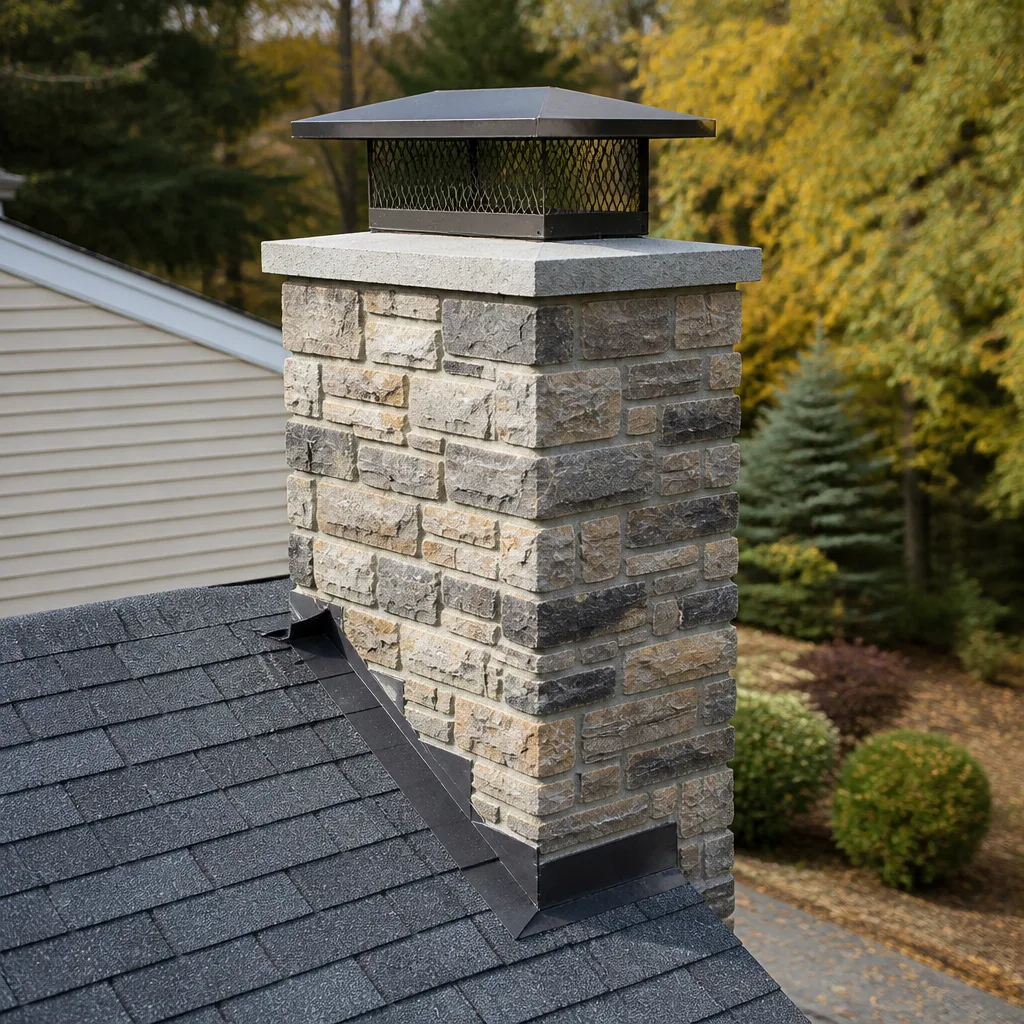 Caps & crowns
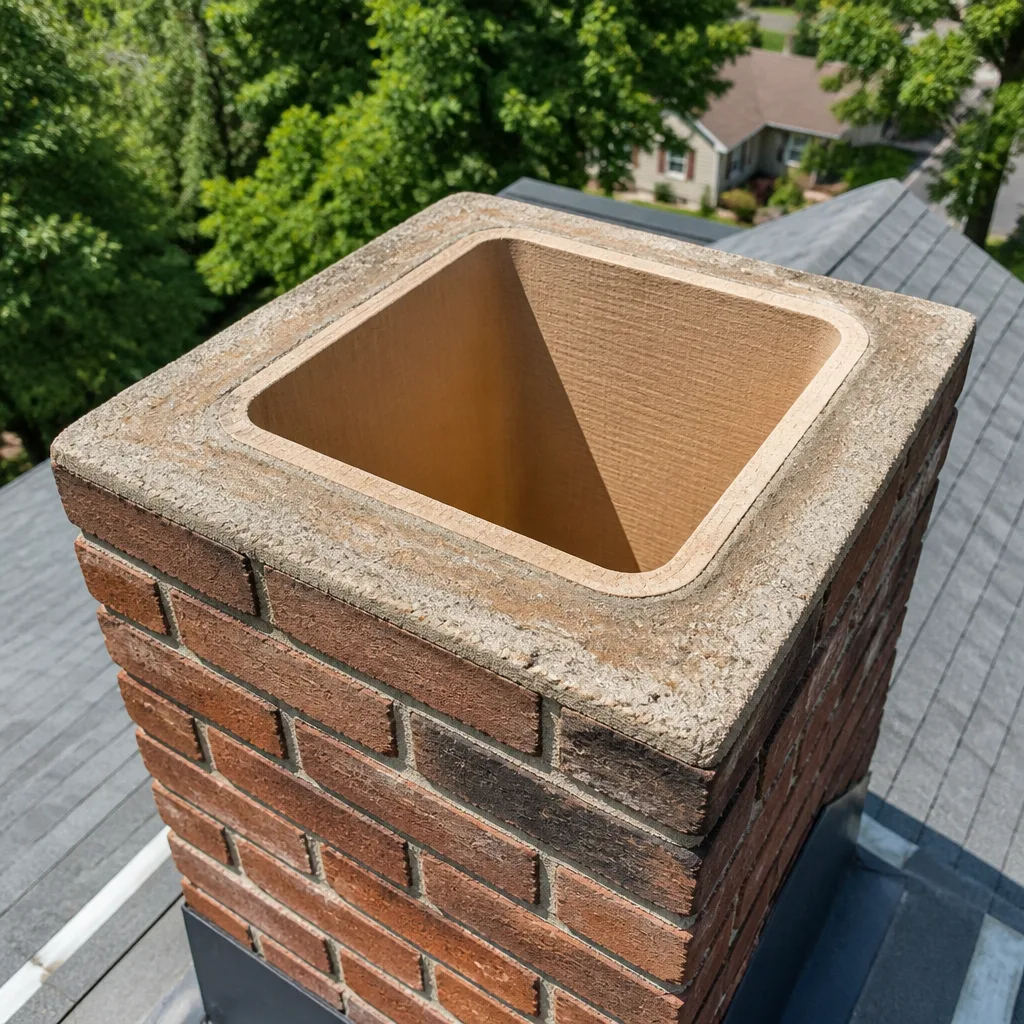 Flue relining
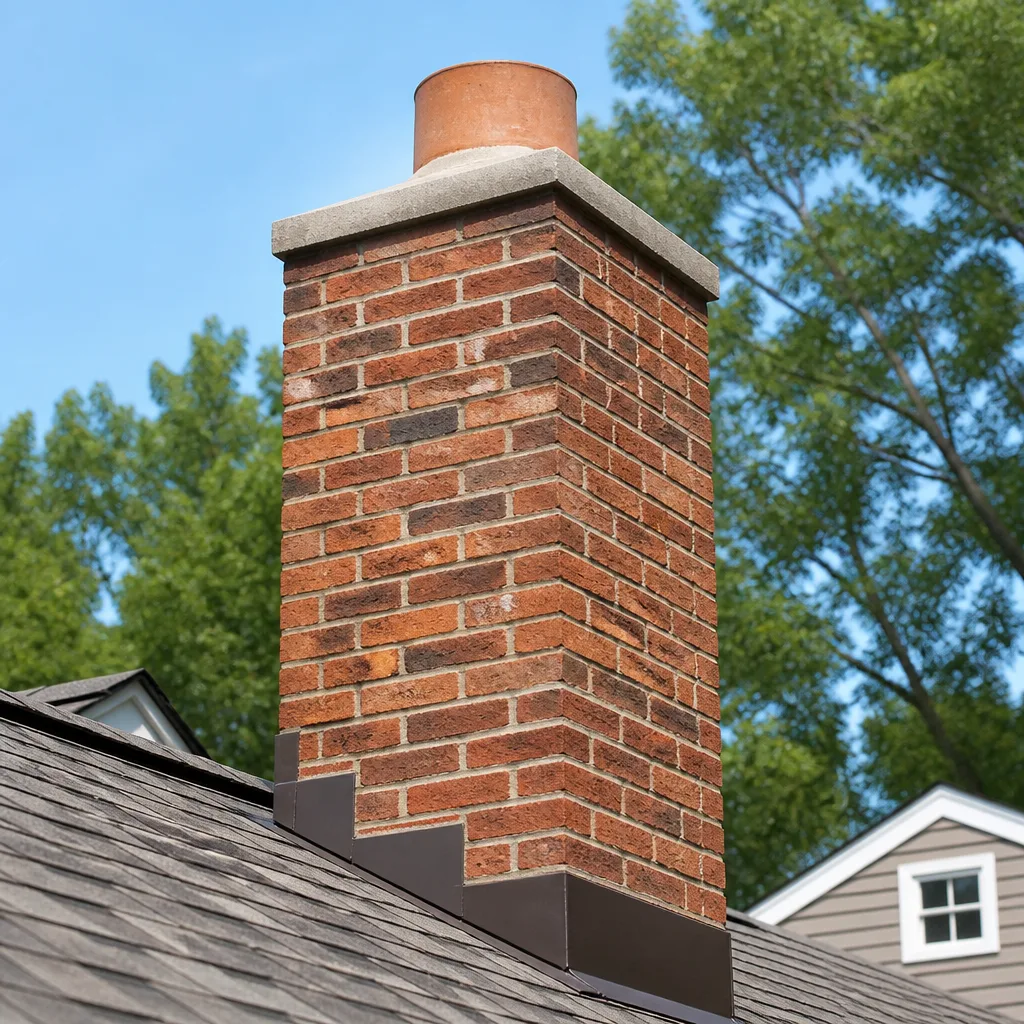 Masonry repair
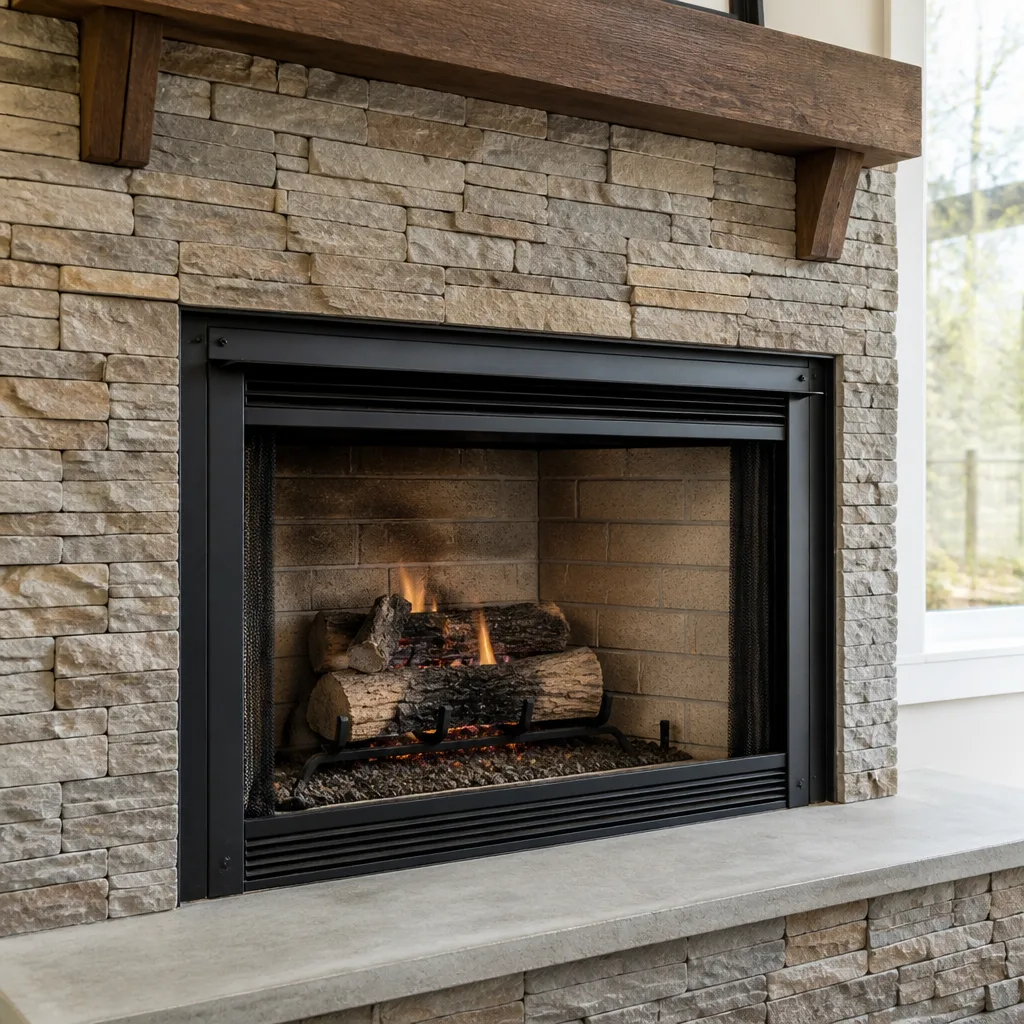 Gas fireplace service
Level 1 sweep and inspection to the NFPA 211 annual standard - flue, crown, cap, and flashing checked and photographed
Chimney sweep logs do not sweep chimneys. They loosen some creosote - which then falls where a brush and vacuum still have to collect it.
Chimney Cleaning Permits, Codes & Inspections in Clearfield, UT: What You Need to Know
Most homeowners assume a chimney permit is something builders worry about, not the person scheduling a sweep. That split is exactly where trouble starts. When a flue gets relined or a firebox gets rebuilt, the work can cross the line from routine maintenance into an alteration that Utah’s adopted building code treats differently, and the paper trail from that decision can outlive the contractor who did the job. A liner replacement done without a permit doesn’t just risk a fine. If a fire happens later and an insurance adjuster pulls inspection records, the missing paperwork can complicate a claim you assumed was covered. This guide explains what counts as maintenance in Clearfield, what counts as an alteration, how inspections are documented, and why a Level 2 report matters at closing time. We’ll cover the state code, the local process, and the plain difference between a system that’s grandfathered and one that has to be brought up to current standard.
Quick Answer
In Clearfield, routine chimney cleaning and a visual inspection generally don’t require a permit. Repairs that alter the chimney structure, replace a flue liner, or change the venting system often do require one under Utah’s amended building code, and that’s handled through the city’s building department before work begins. A Level 2 inspection is the documented report that proves compliance and protects you at a real estate transaction or insurance claim.
Styles & brands we work with
- Sweep & inspection
- Caps & crowns
- Flue relining
- Masonry repair
- Gas fireplace service
Table of Contents
- Maintenance vs. Alteration: Where the Line Sits in Utah
- When Does Chimney Work in Clearfield Actually Need a Permit?
- How the Clearfield and Davis County Inspection Process Works
- What a Level 2 Inspection Documents (and Why It Matters at Closing)
- How Permit Records Protect You When Filing an Insurance Claim
- Grandfathered Systems vs. Current Code: When You Must Upgrade
- What a Typical Permit-and-Inspection Job Looks Like, Step by Step
- Clearfield’s Climate and Housing Stock: Why Codes Read the Way They Do Here
Maintenance vs. Alteration: Where the Line Sits in Utah
Utah builds on the International Residential Code, amended at the state level and then administered locally. As in most of the country, that code does not require a permit to clean a chimney, run a camera up a flue, or replace a cracked cap. It does require one when you alter a system the code treats as part of the structure or the venting envelope. The practical problem is that the line between the two isn’t printed in plain English on any homeowner handout, and two contractors can describe the same job with two different labels.
Here’s how we break it down when talking to a homeowner in Clearfield. Maintenance is anything that restores an existing component to the condition it was in when installed, without changing the system. Alteration is anything that changes the chimney’s structure, capacity, material, or the way it vents combustion gases.
- Usually maintenance (no permit): sweeping the flue, a Level 1 or Level 2 inspection, replacing a chimney cap, repointing minor mortar joints at the crown, and repairing a damper that’s simply stuck or misaligned.
- Usually alteration (permit territory): installing or replacing a stainless liner, rebuilding a firebox, replacing a chimney crown with a structural pour, removing and resetting flue tiles, changing a wood-burning appliance to a gas insert, or rerouting the venting path.
- The gray zone: HeatShield flue restoration. When it relines sound tile joints, it reads as repair. When it restores a flue that has failed enough to require a code-compliant lining, the local authority may want it documented as a lining replacement. This is where a phone call to the city before the work begins saves a headache.
A sweep is the starting point, not the whole job. We inspect, we document, and then we can tell you whether what we found crosses into alteration. If you’re not sure which category your project falls into, it’s never wrong to ask the city directly. A five-minute call to the building department is cheaper than a failed inspection at sale.
When Does Chimney Work in Clearfield Actually Need a Permit?
Chimney work in Clearfield needs a permit when it alters the structure of the chimney, replaces a flue liner, changes the type of appliance being vented, or changes the venting configuration. Cleanings, inspections, cap replacements, and minor exterior repairs typically don’t. The rule of thumb: if a future inspector would need to look inside a wall or above a roofline to verify the work, the work probably needs a permit.
Utah’s amended residential code treats the chimney as part of the building’s structural and life-safety systems, not as a removable accessory. That’s why the state’s process aligns with what a new build would go through, even when the project is inside a thirty-year-old house. The code doesn’t ask whether the work is “new construction” or “repair.” It asks whether you’re changing the system.
Here’s what typically triggers a permit for a Clearfield homeowner:
- Liner replacement. A new stainless liner, including a DuraFlex flexible system for an offset or complex flue, is an alteration and generally requires a permit. The inspector will want to see the liner’s listing and the installation method.
- Firebox or smoke-chamber rebuild. Rebuilding masonry inside the firebox changes the structure of the fireplace and needs documentation before the mortar sets.
- Appliance swap. Replacing a wood-burning insert with a gas unit, or vice versa, changes the venting category and almost always crosses the permit line.
- Structural crown or chase work. A full crown replacement that involves removing and replacing the top course of masonry is structural.
- Flue path changes. Removing an offset, adding a new flue, or rerouting a connector pipe.
What does not typically require a permit in Clearfield: a standard sweep, a Level 1 or Level 2 inspection, a chimney cap installation, minor crown sealing, and damper adjustments. Those are maintenance. For the actual cleaning side of the visit, see our chimney sweep page. If the work you’re planning falls into the alteration column, call the Clearfield City building department before you hire anyone. They can tell you what documentation they’ll want to see and what the inspection schedule looks like.
How the Clearfield and Davis County Inspection Process Works
Clearfield, like the rest of Davis County, administers building permits locally and inspects against the state-adopted code. That means you’re not dealing with a state agency for a residential chimney permit. You’re dealing with the city, and the sequence is fairly predictable.
Here’s the general shape of a permitted chimney project, from first call to final sign-off:
- Pre-application conversation. Describe the work and the address. The city will tell you whether a permit is required and what documentation accompanies the application (often a scope of work, sometimes a product listing for a liner).
- Permit issued. The permit is issued to the contractor or the homeowner. If you’re pulling it yourself, be sure the contractor you hire understands they’ll be inspected against the code’s installation requirements.
- Work performed. The liner or structural work goes in. Photos of the flue before and after are standard practice on a proper job, not an optional extra.
- Rough-in or final inspection. The inspector looks at the liner termination, the connections, clearances, and the documentation. On a reline, this is usually a single final inspection once the cap is back on.
- Sign-off and records. The permit closes and the record lives with the property. This is the document your insurance adjuster will pull, and the document a buyer’s agent will ask about.
What surprises most Clearfield homeowners is how short the inspection window can be once a permit is issued. The bottleneck is almost never the inspector. It’s the paperwork before the work starts, and the scheduling of the contractor who has to be on site to receive the inspection. Get the permit sorted and the actual inspection is usually a quick stop.
A Level 2 inspection is a separate process from the city permit inspection, and it’s worth keeping them straight. The city inspects the work against code. A Level 2 inspection documents the condition of the whole system, whether or not work is being done. Both are useful; they answer different questions. If you’re starting from scratch and just want a condition report, our Chimney Sweep Clearfield page covers how a full inspection visit runs.
What a Level 2 Inspection Documents (and Why It Matters at Closing)
A Level 2 inspection is a documented, camera-assisted assessment of the entire chimney system, including the accessible portions of the flue, firebox, damper, crown, cap, and exterior. It’s more than a visual once-over: it produces a written report with photos, and that report is the artifact that matters when a chimney is being evaluated for a sale, an insurance claim, or a permit file.
The tiers come from the industry’s standard inspection practice, and each one answers a different question:
- Level 1: a visual check of readily accessible portions, typical of an annual sweep visit or routine maintenance. No camera, no report beyond notes.
- Level 2: camera-assisted inspection of the flue interior plus all accessible exterior components, with a written report and photos. This is the standard for a real estate transaction, an appliance change, or after a chimney fire or seismic event.
- Level 3: the same as Level 2, plus opening concealed areas (a wall or a chase) when a specific concern can’t be resolved otherwise. Rare, but occasionally needed on older Clearfield homes where the flue path isn’t drawn anywhere.
In a Utah real estate transaction, buyers increasingly ask for documentation on the chimney rather than a verbal “it looked fine.” A Level 2 report gives them a written record with photos, which protects both sides. It catches things a home inspector’s glance won’t, including flue tile gaps, offset damage, and a crown that’s been quietly failing for a few winters.
In our experience, the report matters most on homes that have been through a change of ownership without documentation of the last liner or firebox work. The buyer’s agent asks for something in writing. A Level 2 report answers the question with evidence. That’s the whole value of the document: it’s a picture of the system, not a sales pitch. If you’re curious how a documented assessment fits into a repair plan, see our chimney repair page.
How Permit Records Protect You When Filing an Insurance Claim
When a chimney-related fire or smoke event happens and an adjuster opens the file, one of the first things they look at is whether the work in the affected area was permitted and inspected. A permitted and inspected liner or firebox rebuild is evidence the system was maintained to code. An unpermitted alteration leaves a gap the adjuster has to account for.
We’re careful not to overstate this. Insurance policies vary, adjusters vary, and most homeowners never have a claim in the first place. But the pattern is consistent: when the paperwork is clean, the conversation is short. When it isn’t, the homeowner ends up explaining why work in the firebox isn’t documented. That’s a bad position to be in during the week your house is already disrupted.
Here’s what a documented system looks like in practice:
- The city permit number and final inspection record are on file with Clearfield.
- A Level 2 inspection report with dated photos shows the flue, crown, and cap in their current condition.
- The liner or firebox work is identified by product (a DuraFlex line, a HeatShield restoration, a Famco component), with the installer’s documentation attached.
- Themost recent sweep or maintenance visit is on record, showing the system was actively serviced.
If you’re a homeowner with a fire or smoke event and are going through a claim, we can help assemble the inspection record even if we weren’t the ones who did the original work. The report is the report, and an inspector’s signature carries the same weight regardless of who wrote the invoice. Call (877) 820-8427 and we can talk through what documentation your adjuster will likely want to see.
Grandfathered Systems vs. Current Code: When You Must Upgrade
A grandfathered chimney is one that was installed to the code in force when it was built and hasn’t been altered since. It isn’t required to meet the current code simply because the code has changed. However, when you perform an alteration, the altered portion typically has to meet current code, and the local authority can require the surrounding system to be brought up as a condition of the permit.
Clearfield has a mix of housing stock, from mid-century homes in older neighborhoods to newer construction on the town’s edges. That range is the whole reason this question comes up. A house built when a particular venting clearance was standard may now sit well below what a new install requires. The system isn’t illegal. It’s just outdated, and that becomes relevant the moment you change any part of it.
Here’s how to think about it:
- Routine maintenance on an unaltered system: grandfathering applies. A sweep, an inspection, a cap install, or minor exterior repairs don’t drag the whole chimney into a current-code upgrade.
- A partial alteration on an older system: usually the altered component meets current code, and the inspector checks that the surrounding components still function with the new part. If replacing a liner requires different clearances, the inspector will want to see them.
- A full rebuild or major alteration: often treated as a new system for code compliance purposes. This is where a grandfathered chimney gets pulled up to current standard, which is usually the most expensive version of the project.
- A change of fuel or appliance: almost always pulls the venting requirement into current code, regardless of the chimney’s age.
This is where working with professionals who know the brand stack matters. A HeatShield restoration can bring a failing clay tile flue back into compliance without full demolition. A DuraFlex flexible liner can solve an offset that a rigid liner can’t. Those are the trade-level solutions that let a grandfathered system stay standing instead of being torn out. If the plan is to reline, our broader chimney repair resource is a good next read. And if the fireplace itself is part of the project, the appliance side runs through fireplace repair.
What a Typical Permit-and-Inspection Job Looks Like, Step by Step
Most permitted chimney jobs move through the same sequence. Timelines vary with the city’s schedule and the contractor’s availability, but the order is predictable. If you’re planning a liner or firebox project in Clearfield, here’s the shape of it.
- Inspection first. Before a permit application, we run a Level 2 inspection to establish the current condition and confirm what the alteration actually needs to fix. The report becomes the basis for the scope.
- Scope and quote. The written estimate identifies the materials (a specific liner, a HeatShield restoration, a new crown) and the labor, and it states what portion requires a permit.
- Permit application. Either the homeowner or the contractor submits to Clearfield City. The application carries the scope, and sometimes the product listing.
- Permit issued and work scheduled. Once the permit is in hand, the work can proceed. Timing on the permit itself varies; the work doesn’t start before it does.
- Installation. Liner, firebox, or structural work goes in. Photos of the flue before and after are part of a proper job.
- Inspection. The city inspector verifies the work against the code. The contractor is typically on site for this.
- Sign-off and documentation. The permit closes, and the record lives with the property. We hand over the inspection report and the parts documentation for the homeowner’s file.
- Cap and crown. Once the flue work is inspected, the cap and crown close the system. Caps and crowns aren’t upsells. They’re what keep tomorrow’s rain and snowmelt from undoing the lining work.
If the work is only a sweep, this whole sequence collapses to a single visit and a written report. If it’s a liner, it’s the full eight steps. The one that surprises Clearfield homeowners is step seven. The documentation is the whole point of going through the permit in the first place. Without it, you paid for the work but not the record.
Clearfield’s Climate and Housing Stock: Why Codes Read the Way They Do Here
Codes shift toward stricter venting requirements in places with large seasonal temperature swings, and Clearfield is no exception. Winters along the Wasatch Front are cold enough that a poorly vented flue runs cool, and cool flues condense more creosote. The code language around venting, clearances, and chimney height reflects that reality. It isn’t arbitrary.
The freeze-thaw cycle also drives the crown and cap discussion. Every winter, water gets into masonry, freezes, and pushes joints apart. A cracked crown on a Clearfield chimney is not a rare find, and it’s the entry point for much of the interior damage we see on older homes. That’s why we treat the cap and crown as part of the maintenance plan, not a cosmetic after-thought. A comprehensive chimney sweep visit is a good moment to check the crown, the cap, and the flashing, because those are the components that protect the flue from the weather between visits.
Housing stock matters too. Clearfield’s older neighborhoods tend to have masonry chimneys that were originally framed to codes now superseded. The newer builds on the edges of town often have factory-built systems with their own listing requirements. Both are legitimate systems. They just have different documentation paths, and a contractor who doesn’t recognize the difference can quote a job that doesn’t fit the house. A quick walk of the property during the inspection visit tells us which category you’re in.
The point of all this local detail is simple. Code compliance isn’t a paper-pushing exercise. It reflects how a chimney actually behaves in this climate. When the code asks for a liner to be listed, vented to a specific clearance, and terminated at a specific height, it’s because those are the conditions under which the flue works in a Clearfield winter. That’s the frame the permit and inspection system is protecting.
Common Mistakes to Avoid
- Calling a liner replacement “repair” to skip the permit. It reads as alteration to the inspector, and it reads as unpermitted alteration to your insurance adjuster. The label you use doesn’t change the code requirement.
- Skipping the Level 2 report before a sale. A buyer’s agent who asks for documentation and gets a verbal assurance will often ask for a real inspection before closing. Get it upfront so the conversation isn’t on the critical path.
- Assuming the state handles the permit. Local municipalities administer permits for Clearfield addresses. It’s the Clearfield City building department you call, not a statewide agency.
- Pulling a permit and then hiring a contractor who won’t be there for the inspection. The contractor has to be on site for the city inspection, almost always. Make sure the person doing the work knows the inspection schedule before the work starts.
- Leaving the crown for later. A failing crown on a Clearfield chimney lets water into the flue all winter. Every repair to the liner is undone by a crown that’s already cracked.
- Skipping the cap so the work can be finished on a cheaper bid. The cap closes the system. Without it, birds, rain, and snowmelt go straight into whatever you just installed.
- Not keeping the inspection report. When you sell or file a claim, the paperwork is what proves the work was done. Don’t leave it in a contractor’s van.
See the difference
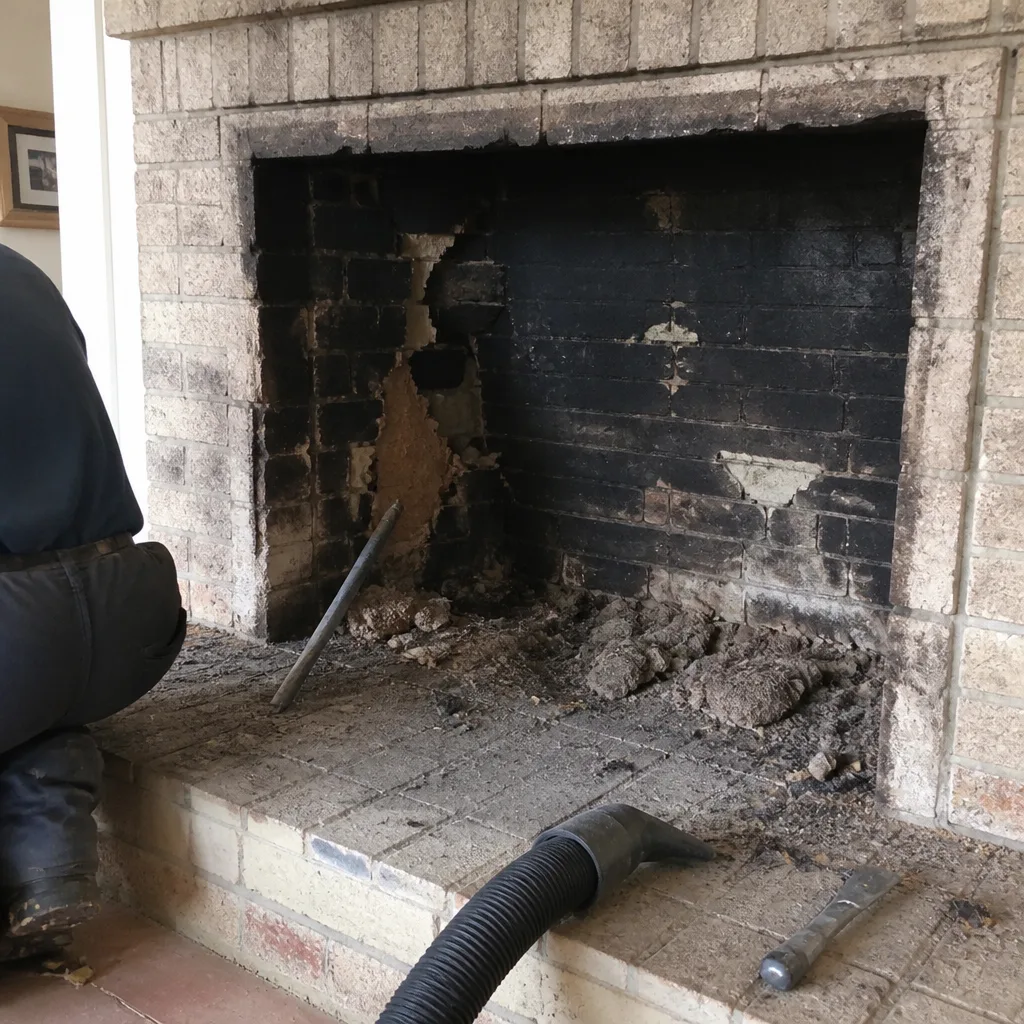 Before
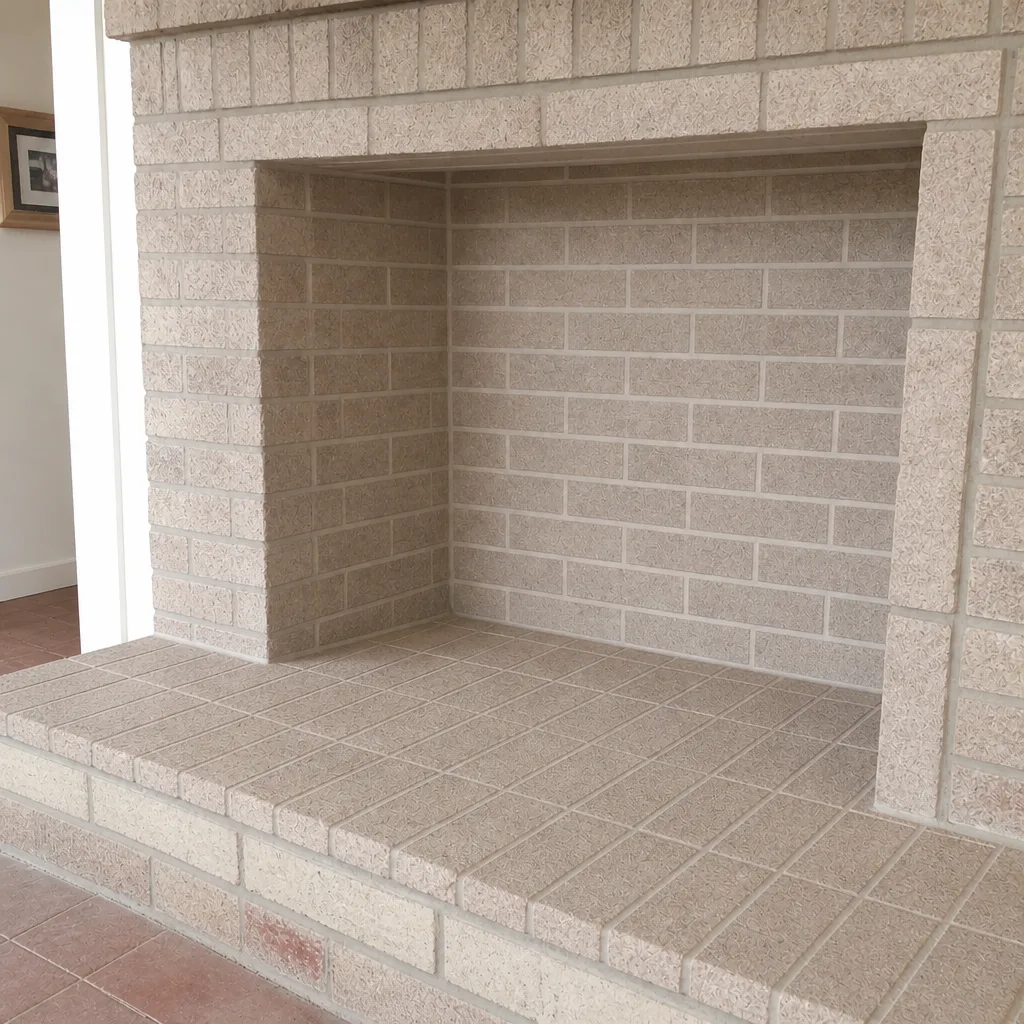 After
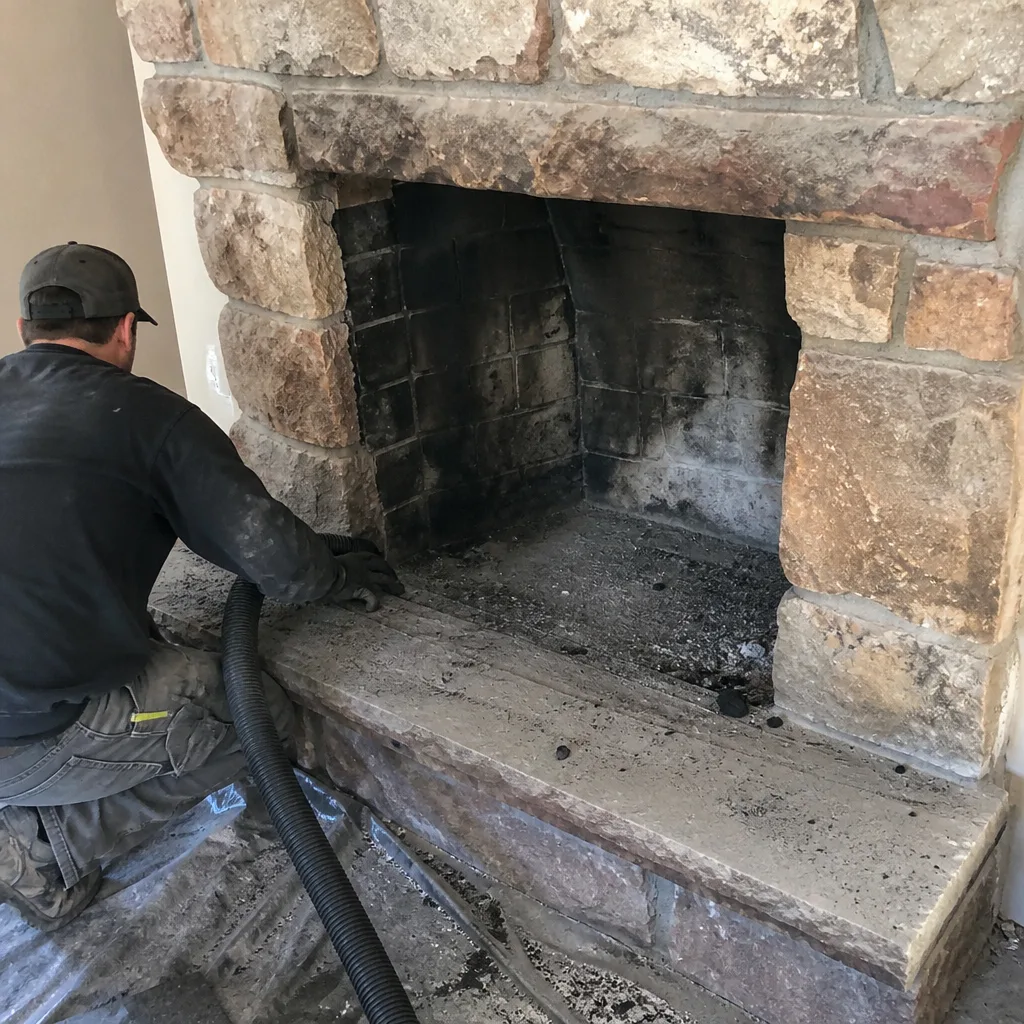 Before
 After
 Before
 After
When to Call a Professional
Some decisions belong to the city. Deciding what the chimney needs and how to document it belongs to someone who works with the system every day. Call us when you’ve had a chimney fire, even a small one, and want the flue checked for damage. Call when you’re buying or selling a Clearfield home and the buyer’s agent asks for documentation. Call when the fireplace has never been inspected on record, or when the last liner work has no paperwork you can find. Call if you’re planning a liner, a firebox rebuild, or a crown replacement and want the scope and permit question sorted before a contractor starts. Call if there’s a smell, a draft, or smoke coming back into the room, and nobody’s looked at the flue in a while. Chimney Sweep Clearfield offers free estimates in Clearfield. Call (877) 820-8427. We answer 24/7. Fast dispatch from 7am to 7pm, Sunday through Friday.
Frequently Asked Questions
No. Routine chimney cleaning and a visual inspection don’t require a permit in Clearfield or anywhere else in Davis County. Permits apply to alterations: liner replacements, firebox rebuilds, appliance changes, and structural crown work. Call (877) 820-8427 for an exact quote on a cleaning visit. Estimates are free.
Usually yes. A liner replacement is an alteration to the venting system under Utah’s amended residential code, and municipalities in Davis County administer the permit locally. The city will typically want product documentation for the liner, which is one more reason to work with a contractor familiar with DuraFlex, Copperfield, or Famco materials. Call (877) 820-8427 to talk through a liner project. Estimates are free.
A city inspection verifies permitted work against the code. A Level 2 chimney inspection documents the condition of the entire system with photos and a written report, whether or not work is being done. The first is a permit process, the second is a condition report. You’ll often want both on the same job. Call (877) 820-8427 for an exact quote. Estimates are free.
It can. A buyer’s agent who requests chimney documentation will often find the permit record or the lack of one. Utah real estate transactions increasingly ask for a Level 2 inspection report, and the report and the permit record reinforce each other. If you’re selling and want to head off the question, call (877) 820-8427. Estimates are free.
It depends on the condition of the tiles, and the answer should come from a documented inspection, not a verbal guess. HeatShield restoration can repair damaged clay tile liners without full demolition, and it’s a real option we offer. A full liner replacement is sometimes the right answer instead. Call (877) 820-8427 for an exact quote after we’ve seen the flue. Estimates are free.
It doesn’t have to meet current code just because the code has changed. Grandfathering applies to an unaltered system. However, once you alter any part of the chimney, the altered portion usually must meet current code, and the inspector can require surrounding components to be brought up as a condition of the permit. Call (877) 820-8427 to talk through what your older Clearfield system actually needs. Estimates are free.
The Bottom Line
Chimney permits in Clearfield are less about bureaucracy and more about the record your house keeps. Cleaning and routine inspection are maintenance and don’t need a permit. Liner replacement, firebox rebuilds, appliance changes, and structural crown work are alterations, and they do. The city administers the permit, a Level 2 inspection documents the system, and that documentation is what carries the day at a real estate closing or an insurance claim. Older systems are grandfathered until they’re altered. After that, the altered portion meets current code. If you want the whole picture in writing before you plan the work, call us.
Whether you’re scheduling a routine sweep or working through a permit question on a repair, Chimney Sweep Clearfield is set up to handle the whole system in one place: cleaning, inspection, cap and crown, fireplace repair, and chimney repair. We work with the same materials professional chimney installers specify, including DuraFlex and HeatShield, and we can walk you through the documentation your project needs. Call (877) 820-8427 for a free estimate. We answer 24/7. Fast dispatch from 7am to 7pm, Sunday through Friday. The local pro we connect you with is licensed and insured as their state requires, and every price is set per job by the written estimate.
Written by the team at Chimney Sweep Clearfield.