
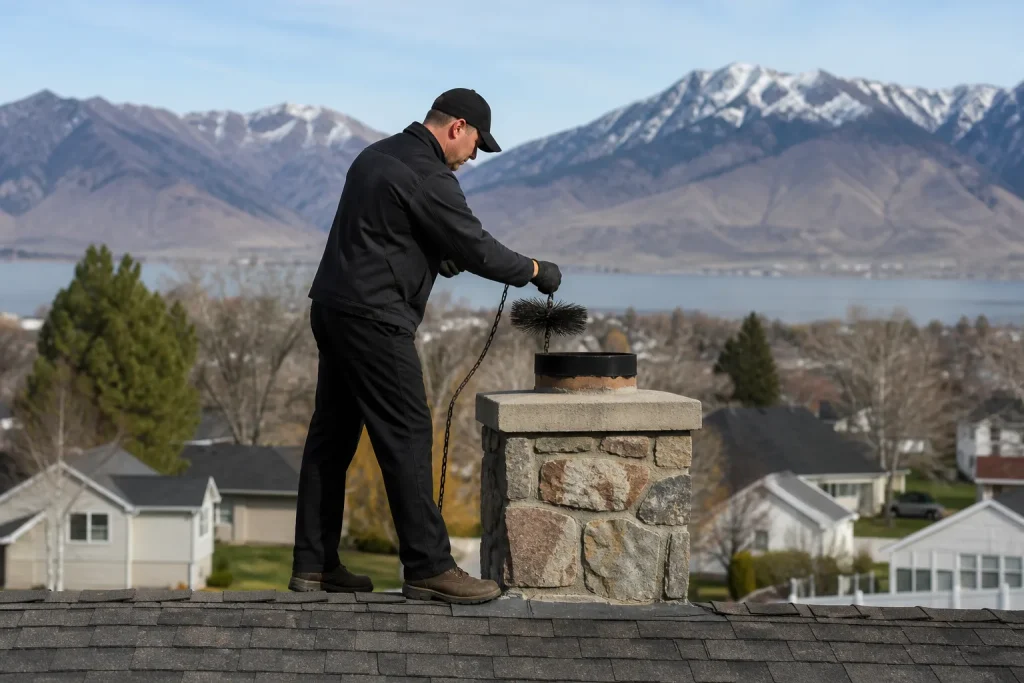
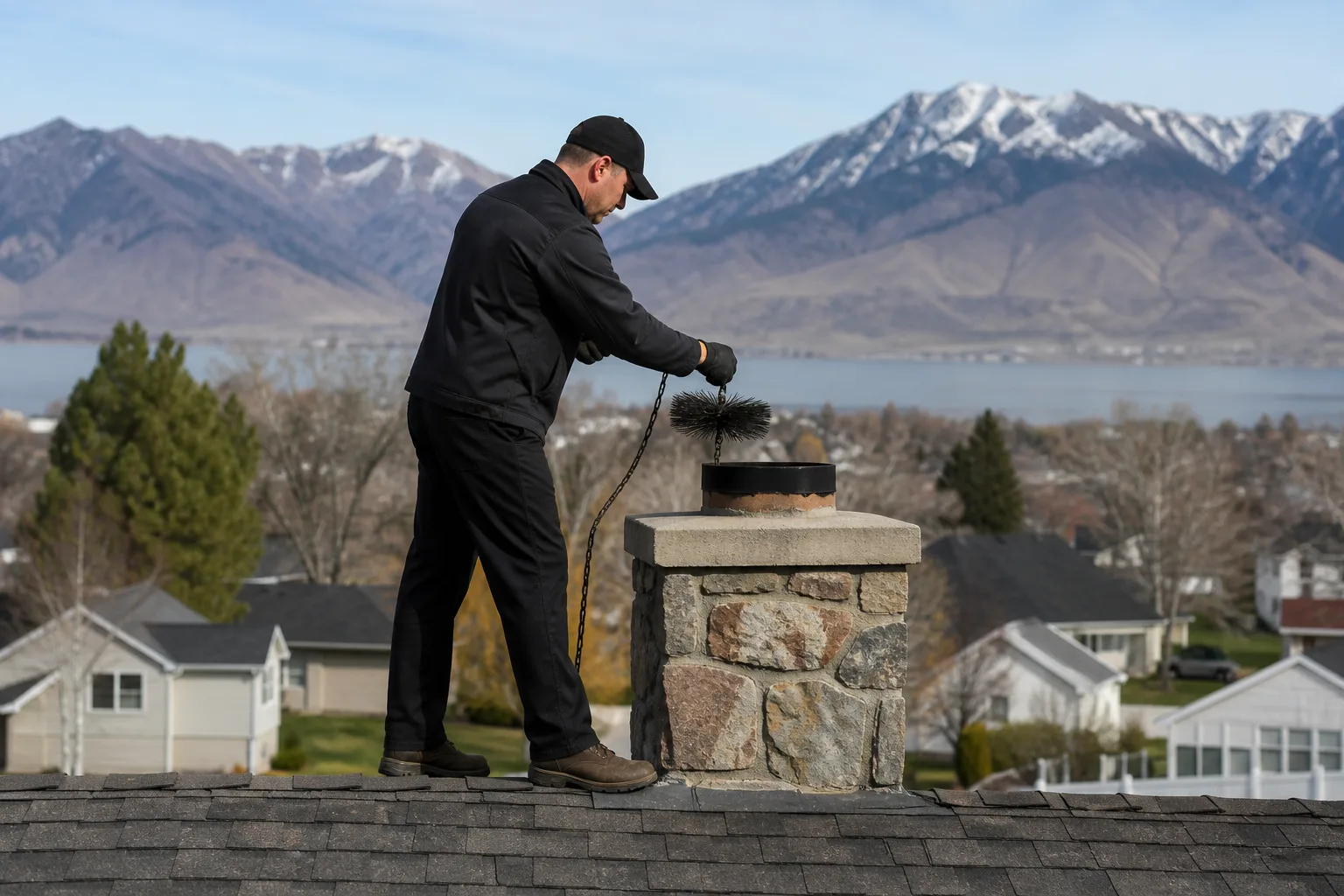
Olympia Chimney Chimney Sweep in Clearfield: A Homeowner’s Guide
When homeowners around Clearfield search for “Olympia Chimney,” they’re usually looking for a company that operates a local office. Olympia Chimney is the brand name you’ll find on chimney supplies and components, the materials your chimney was likely built or relined with. The real question behind the search is: who can work on this system correctly, close to home? That’s the question that matters when you’re scheduling service. This guide answers what full-service chimney care actually covers, what a thorough sweep includes, and how to tell a real specialist from a generalist with a brush and a vacuum. If you’d rather skip the research and talk to someone directly, call (877) 820-8427 and we’ll walk you through it.
What Does a Full Chimney Sweep Actually Include in Clearfield?
A professional chimney sweep in Clearfield covers more than brushing creosote off the flue walls. Here’s what a proper visit should include, stage by stage:
- Level 1 inspection: A visual check of readily accessible parts of the chimney and venting system, done on every sweep. This is the baseline.
- Level 2 inspection: Required whenever there’s a change in the system, a transfer of ownership, an event like a chimney fire, or when you’re adding an appliance. It includes a video scan of the flue interior.
- Level 3 inspection: Reserved for when a Level 1 or 2 turns up a problem that can’t be assessed without opening up part of the chimney structure. Rare, and usually only after a serious concern.
- Creosote classification: Sweeps grade what they find. First-degree is light soot, second-degree is flaky and crusted, third-degree is glazed and hard. That grade drives what we recommend next.
- Documentation: Photos of what was found, notes on the flue condition, and a written summary you can keep. If a technician can’t show you what they saw, ask why.
A diagnostic sweep is the appointment where problems actually get caught. A sweeping-only visit clears the flue and moves on. A diagnostic sweep looks at the whole system, checking for liner gaps, offset flues, cracked smoke chambers, and drafts that don’t add up. We treat every sweep as the starting point for a documented inspection, because the cleaning is the easy part. The inspection is where the value lives.
How Does Clearfield’s Climate and Housing Stock Affect a Chimney?
Clearfield sits at roughly 4,300 feet elevation, and the local swing between summer heat and winter cold puts specific stress on a chimney system. Here’s what we see in our experience across the Clearfield area:
- Elevation and draft: Thinner air at this altitude can affect draft performance, especially in older systems. If your fireplace smokes back or burns slowly, the elevation may be a factor alongside a dirty flue or a draft problem.
- Temperature swings: Clearfield winters are cold enough to produce real freeze-thaw cycles. Moisture that gets into the masonry during a wet season expands when it freezes, and that’s how hairline cracks in a crown become bigger ones.
- Crown and cap wear: UV exposure from long, bright summers dries out and cracks mortar crowns. In this market we pay close attention to crown condition, because it’s often the first thing to fail.
- 1970s – 1990s tract homes: That era of construction used a lot of clay tile liners in masonry chimneys. Tile liners are good when they’re intact, but decades of heating cycles and moisture intrusion take a toll. HeatShield flue restoration is built for exactly this situation, repairing damaged tiles without tearing out the flue.
- Offset flues: Common in homes from those decades. A flue that shifts sideways is harder to sweep and harder to reline. DuraFlex flexible liner systems are made for these setups, where a rigid liner simply won’t fit around the bend.
Altitude and temperature aren’t the only factors. Older Clearfield homes often sit on tight lots with mature trees, which means pine needles, leaves, and debris find their way onto caps and into flues. A good visit accounts for what the chimney has been exposed to in the Clearfield climate, not just how many feet of brush it takes.
What’s the Difference Between a Sweeping-Only Visit and a Diagnostic Sweep?
A sweeping-only visit cleans the flue. A diagnostic sweep cleans the flue and then documents the condition of the whole system. That distinction matters when it comes to catching problems early:
- Liner gaps: Gaps in the liner let heat and gases reach combustible framing. A visual pass from the top may miss them. A video scan won’t.
- Offset flues: A flue that jogs sideways is hard to inspect and hard to sweep evenly. Without a camera, part of the run stays unchecked.
- Deteriorating smoke chambers: The smoke chamber above the damper is a notorious trouble spot in older chimneys. It’s where creosote collects and where cracks like to hide.
- Draft and draw: If the system isn’t drafting properly, you can sweep it all you want and still have smoke problems. A diagnostic looks at the whole airflow picture, not just the soot.
We regularly see homeowners who’ve had the chimney swept somewhere else and still can’t get a straight answer about what condition it’s in. If you’ve had that experience, it’s worth knowing why. A sweep that doesn’t produce documented findings leaves you guessing. Here’s a useful benchmark: a professional visit should end with a written summary of the flue’s condition, a creosote grade, and any recommendations clearly tied to something you can see in a photo or a video. Anything less, and you’re paying for a cleanup without information. When a level 2 inspection turns up a problem, the next step is usually a chimney repair conversation, and we prefer to have that conversation before the problem gets bigger.
What Should You Expect From Scheduling, Prep, and Post-Service Documentation?
Here’s what a professional crew should walk you through from the moment you book, in Clearfield or anywhere else:
- Scheduling: A clear appointment window, an honest answer about when they can get to you, and no vague “someone will call you.”
- Prep: Floors protected, furniture moved or covered, and a drop cloth or vacuum setup that contains the soot instead of letting it drift through the house.
- On arrival: A brief review of what the visit covers, and a chance for you to point out anything that’s been smoking, smelling, or making noise.
- During the visit: The crew works from the top and the bottom of the chimney as needed, sweeps the flue, and inspects the firebox, damper, smoke chamber, and cap.
- After: Documentation. Photos, a summary of findings, a creosote grade, and any repair recommendations with a clear explanation of why. You should leave the visit understanding your system better than you did before.
In our experience, that last step is where a lot of chimney companies fall short. Scheduling and cleaning get most of the attention, but the handoff afterward is what makes the visit useful. It’s also why we push so hard on documentation. When you know the condition of your liner and your crown, you can make an informed decision about what to repair now and what can safely wait.
When Should You Call a Professional? (And When Can It Wait?)
You should call a pro when you’re seeing smoke roll into the room, when a flue smells of creosote after a fire, when you notice any sign of a chimney fire (a loud roar, a hot chimney, or puffed creosote), or when it’s simply been a while since the last documented inspection. You should also call if you’ve moved into a home with a fireplace whose history you don’t know. A Level 2 inspection is the right starting point in a new home.
The question of what can wait is just as important. A light dusting of soot and a sound liner aren’t emergencies. A cracked crown or a damaged cap can often be scheduled without panic. What can’t wait is anything affecting venting or the integrity of the liner. Carbon monoxide and chimney fire risk both live in that territory. Our technicians have up to 9 years of experience reading those signs, and the honest answer is sometimes “this can wait until spring.” Well, more like “this can wait until the weather people outrank a chimney sweep.” If the crew says it’s fine, believe them. If they say it isn’t, ask to see the evidence. They should be able to show you.
We’re the specialist for chimney work in this area, and that includes the parts other companies refer out. If your fireplace repair needs a new damper before the sweep can be effective, we handle that too. Want a professional who works with the same materials the trade specifies, including Olympia Chimney components and DuraFlex liners? Call for a chimney sweep and we’ll start with a documented inspection. Related services in Clearfield include chimney repair and fireplace repair, and every visit ends with a clear, written picture of your system’s condition.
The Bottom Line
If you searched Olympia Chimney in Clearfield, the most useful thing you can do is find a local specialist who knows the full range of chimney work: sweeping, inspection, repair, and protection. The components that carry that brand name are professional-grade, which means they deserve a professional hands-on system. Here’s the short version of what to look for:
- Every sweep includes a documented inspection with photos and a creosote grade.
- The technician knows the difference between levels 1, 2, and 3 inspections and can tell you which one your home needs.
- They understand Clearfield’s climate, lake-effect cold snaps, and the 1970s – 1990s housing stock, and what all of that means for your chimney.
- They’ll tell you when work can safely wait, and they’ll show you why when it can’t.
- They handle the whole system: sweep, cap, crown, liner, and fireplace repair.
If you’re in Clearfield and need a sweep, an inspection, or a second opinion on a repair quote, Chimney Sweep Clearfield offers free estimates. Call (877) 820-8427. We answer 24/7. Fast dispatch from 7am to 7pm, Sunday through Friday.
Frequently Asked Questions
Most chimney sweeps in Clearfield fall in a typical range of roughly $150 to $350 for a standard sweep and Level 1 inspection, with a Level 2 inspection adding more. The final price depends on the flue, the amount of creosote, and what’s found during the inspection. The written estimate sets the exact number. Call (877) 820-8427 for an exact quote; estimates are free.
You need a Level 2 inspection if you’ve moved into a new home, changed your venting system, had a chimney fire, or noticed anything unusual with how the fireplace drafts. A Level 2 includes a video scan of the flue interior, which is how liner gaps and offset flue problems get caught. If your last visit was a visual-only check, it’s worth upgrading. Call (877) 820-8427 to book one.
A chimney should generally be swept once a year or whenever a third of an inch of creosote has built up on the flue walls, whichever comes first. In Clearfield’s climate, a yearly inspection before the heating season is a practical baseline. Homes that burn frequently or burn green wood may need more attention. Call (877) 820-8427 to get on the schedule.
Skipping a sweep lets creosote accumulate, and creosote is what fuels chimney fires. It also delays the discovery of liner gaps, crown cracks, and draft problems that are cheap to fix early and expensive to fix late. The worst outcome is a hidden carbon monoxide problem in a system you trust. Call (877) 820-8427 and we’ll start with an inspection so you know exactly where you stand.
Written by the team at Chimney Sweep Clearfield.
Need Chimney Cleaning Help?
Call Chimney Sweep Clearfield - the local pro we connect you with is licensed and insured, with free written estimates in Clearfield.
(877) 820-8427