
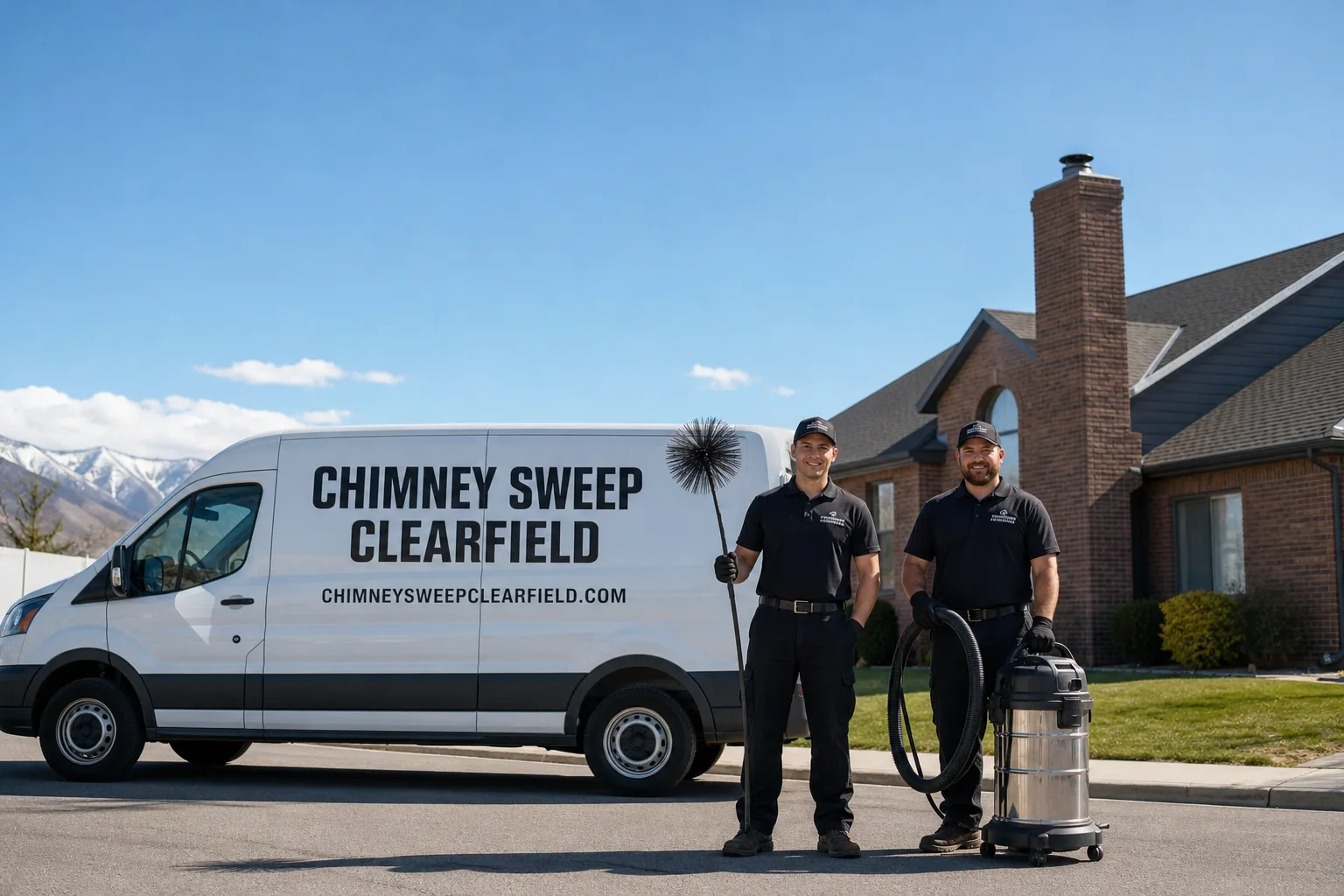
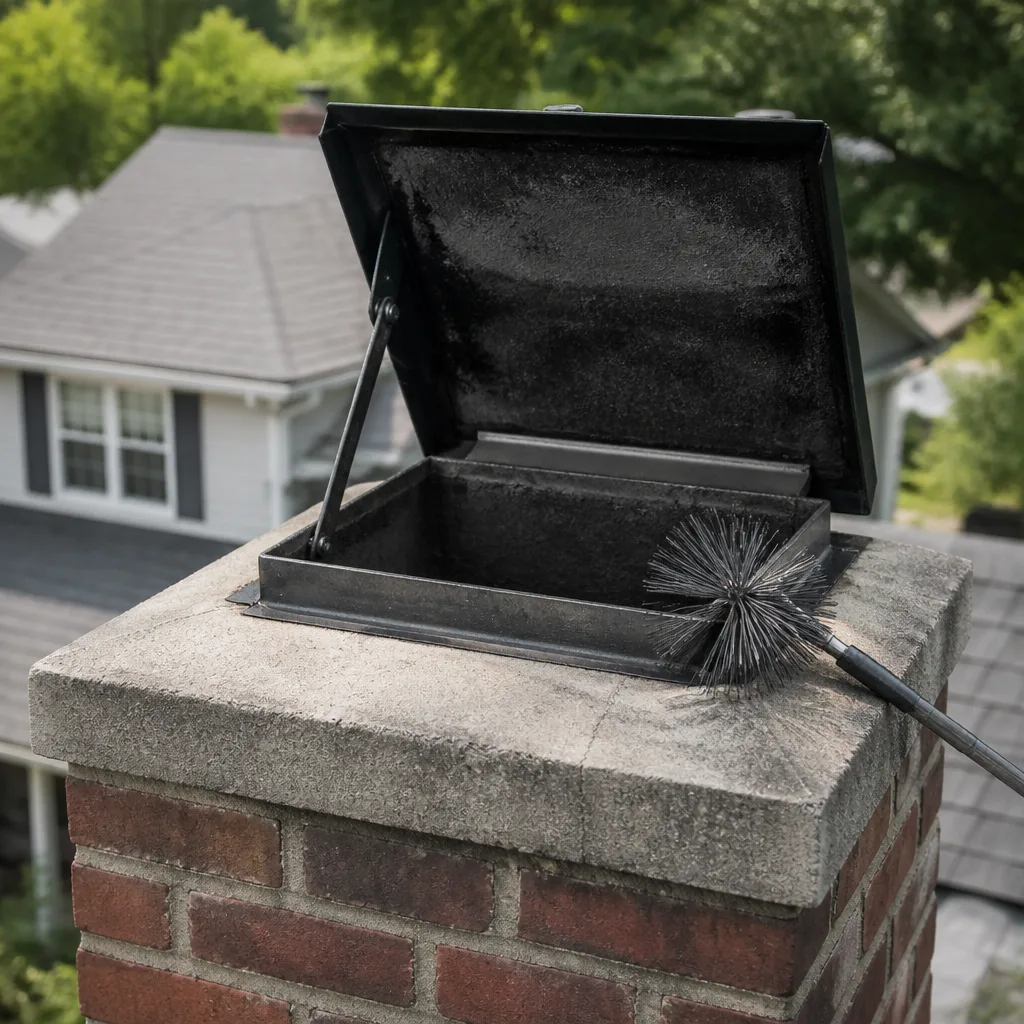
 Sweep & inspection
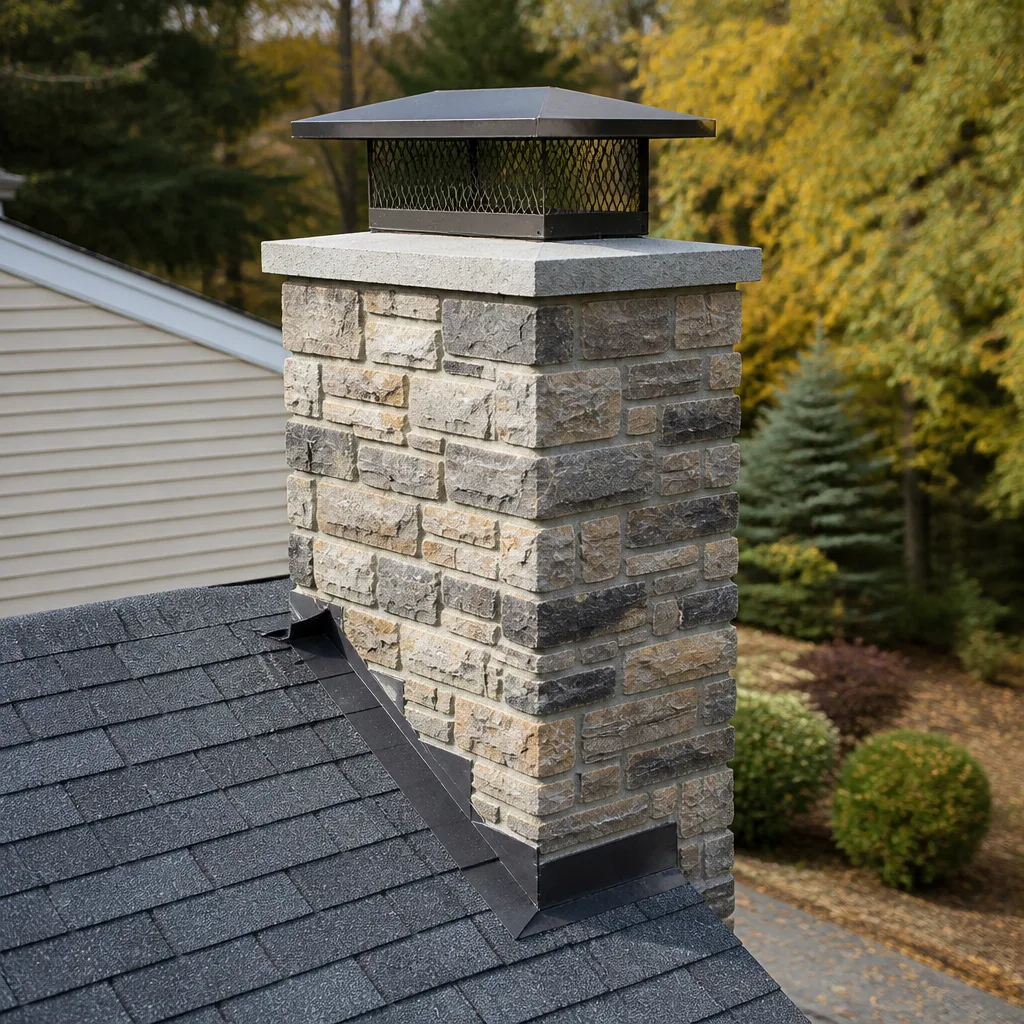 Caps & crowns
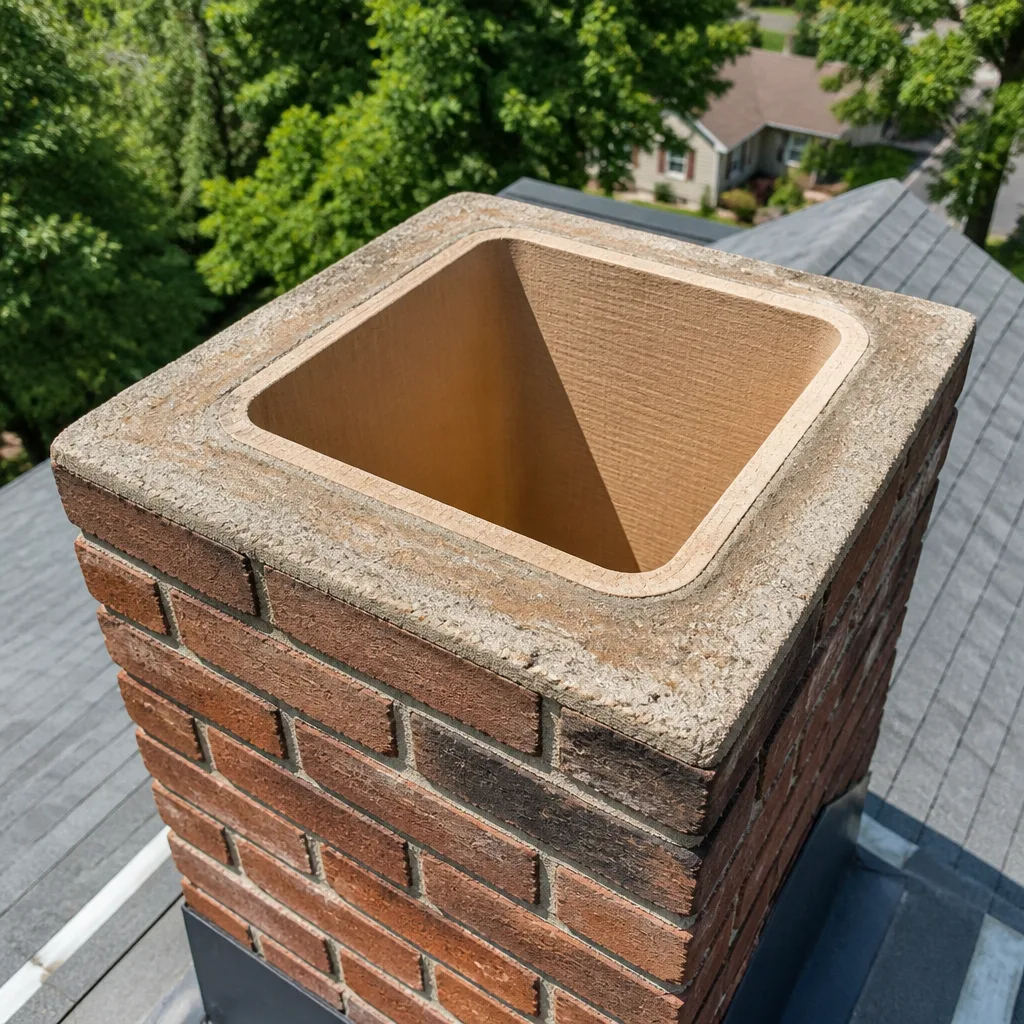 Flue relining
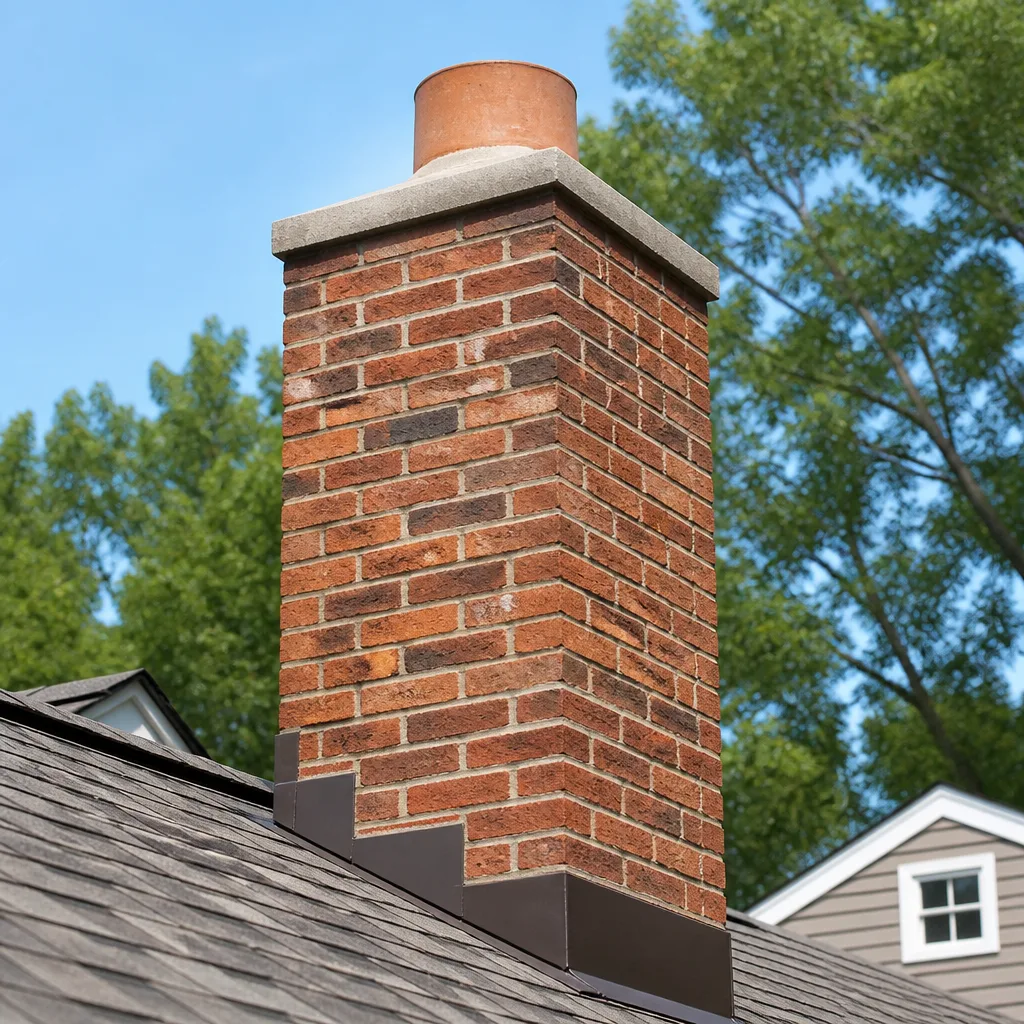 Masonry repair
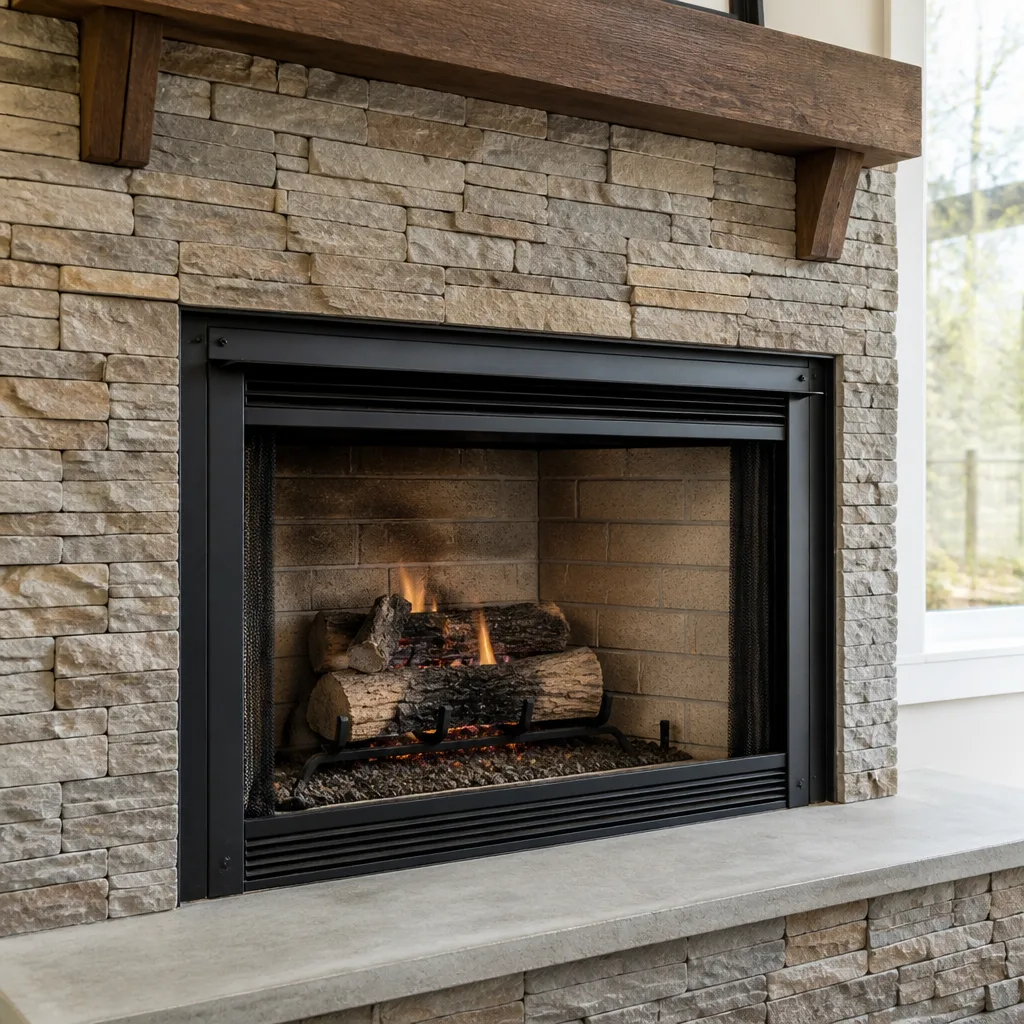 Gas fireplace service
Level 1 sweep and inspection to the NFPA 211 annual standard - flue, crown, cap, and flashing checked and photographed
Chimney sweep logs do not sweep chimneys. They loosen some creosote - which then falls where a brush and vacuum still have to collect it.
Fast, Reliable Chimney Inspection Across Sunset
If you burn wood in Sunset through the winter, your chimney is working harder than the house was built to expect. We inspect chimneys across town, from the tight mid-century blocks of 84015 out toward the edges near 1800 North, and we know what Davis County winters do to a flue. Our technicians have up to 9 years of experience reading the creosote stages, draft problems, and liner wear that show up on these older ranch homes. Call (877) 820-8427 to book a documented inspection. We answer 24/7, and fast dispatch runs 7am to 7pm, Sunday through Friday.
Why Sunset Homeowners Call Chimney Sweep Clearfield for Chimney Inspection
Sunset is a wood-burning town in a way newer suburbs aren’t. A lot of homes here still rely on stoves and fireplaces as backup heat through the cold months, and that changes what an inspection needs to catch. We send technicians who understand that reality rather than treating every chimney like a decorative fireplace in a new build.
Our chimney inspection service is built on documentation: camera images through the flue, a written report of what we found, and photographs you can look at yourself. Nothing gets recommended without evidence you can see. That matters here, where a smoldering stove can leave a tar-glazed liner that looks fine from the firebox but is a real hazard from the inside. We work with HeatShield and Olympia Chimney products, so when a flue needs restoration we can address it properly.
We serve homeowners across Sunset and know the local housing pattern: the 1950s through 1970s brick and frame homes on small lots, many with original masonry fireplaces and exterior chimneys that were never sized for today’s stove loads. That local read is why our inspections tend to find the specific problems this town has, not a generic checklist.
Styles & brands we work with
- Sweep & inspection
- Caps & crowns
- Flue relining
- Masonry repair
- Gas fireplace service
Our Chimney Inspection Services in Sunset
We offer a full range of inspections in Sunset. Which one you need depends on what you’re burning and what you’re trying to find out. Here’s how each level works.
Level 2 Inspection
A Level 2 inspection is the right choice for most Sunset wood-stove users, and it’s what we recommend when you’ve changed appliances, bought a home, or noticed draft problems. It goes beyond a visual once-over: we inspect the accessible portions of the flue and venting, run a camera through the chimney, and document the condition of the liner, joints, and any connections. On these older ranch homes it’s the inspection that actually catches the creosote stage and liner damage the eye can’t see.
Camera Inspection
A camera inspection is how we see inside the flue without tearing anything apart. In Sunset’s tightly packed older blocks, plenty of chimneys are short and offset, and some have interior jogs the original installers made to fit the roofline. The camera lets us check the full run, note spalling clay tiles and joint gaps, and photograph the creosote layer so you know exactly what’s there. You get pictures, not just a verbal summary.
Flue Inspection
A flue inspection focuses on the pathway the smoke actually travels: the liner, the connections, the cap, and the crown. On 1950s to 1970s Sunset brick chimneys, we commonly find original clay liners sized for a fireplace but now carrying stove heat, showing spalling and joint gaps. We also check the crown and cap, since a cracked crown or missing cap lets snowmelt and weather straight into the flue. If the flue is damaged, a Gelco or HeatShield restoration may solve it without demolition.
Level 3 Inspection
A Level 3 inspection is the deepest option, and it’s reserved for when a Level 1 or Level 2 turns up something that needs a closer look, or when a known hazard requires access to concealed areas. It may involve removing parts of the chimney or adjacent construction to inspect hidden sections. In Sunset we rarely start here, but when the evidence calls for it we explain what’s involved and why before anyone touches the structure.
The Sunset Problem: Short Chimneys and Glaze Creosote
Here’s something we see over and over in Sunset, and it’s tied directly to how this town was built. In the tightly packed older blocks of 84015, the low-slung ranch homes often have short exterior chimneys, and short exterior chimneys draft poorly on Wasatch Front inversion days. When draft is weak, people damper the stove down hard to hold heat, and a smoldering fire throws off far more creosote than a hot, clean-burning one. So instead of the light sooty buildup you’d find in a newer subdivision, inspectors here commonly find glaze creosote, a thick, tacky, sometimes tar-like deposit that a brush alone won’t remove.
That single fact shapes every inspection we run in Sunset. The creosote stage, not just the depth of soot, is what determines whether a flue is safe to keep using and how soon it needs sweeping again. A typical job starts with a homeowner on a mid-century ranch who has been damping the stove down through the December-February inversion season and notices sluggish draft and a heavy, sticky coating inside the firebox. On the roof, an inspector often finds that short exterior chimney with a cracked crown and a worn cap. Inside, a Level 2 inspection with the camera often reveals second-degree creosote, or a tar-glazed third-degree layer, sitting on a clay flue sized for the original fireplace rather than today’s stove. From there the fix depends on what the camera shows: a proper sweep, a HeatShield or stainless reline through DuraFlex, damper and cap work, and honest guidance on burning hotter to slow the next buildup.
Trusted Brands We Work With in Sunset
We work with the same materials professional chimney crews specify, not hardware-store substitutes. That means HeatShield for flue restoration, Olympia Chimney and Gelco components, and Famco parts where they fit the job. When an inspection turns up a liner that needs relining, we can spec it in professional-grade products matched to your flue. We don’t keep parts on hand for Sunset homes, but we source what the job calls for and turn around the estimate quickly. You’ll get a written scope and a clear recommendation, not a pressure sale on brands you’ve never heard of.
See the difference
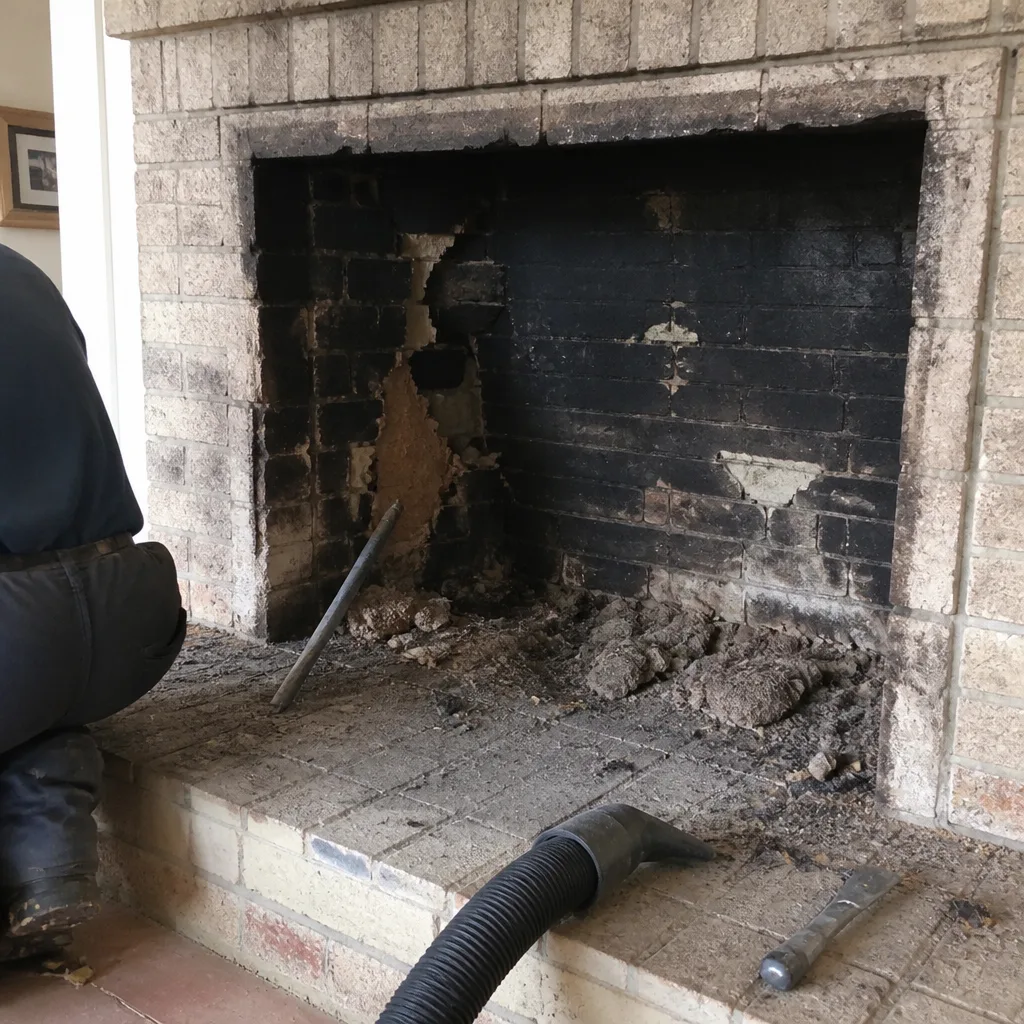 Before
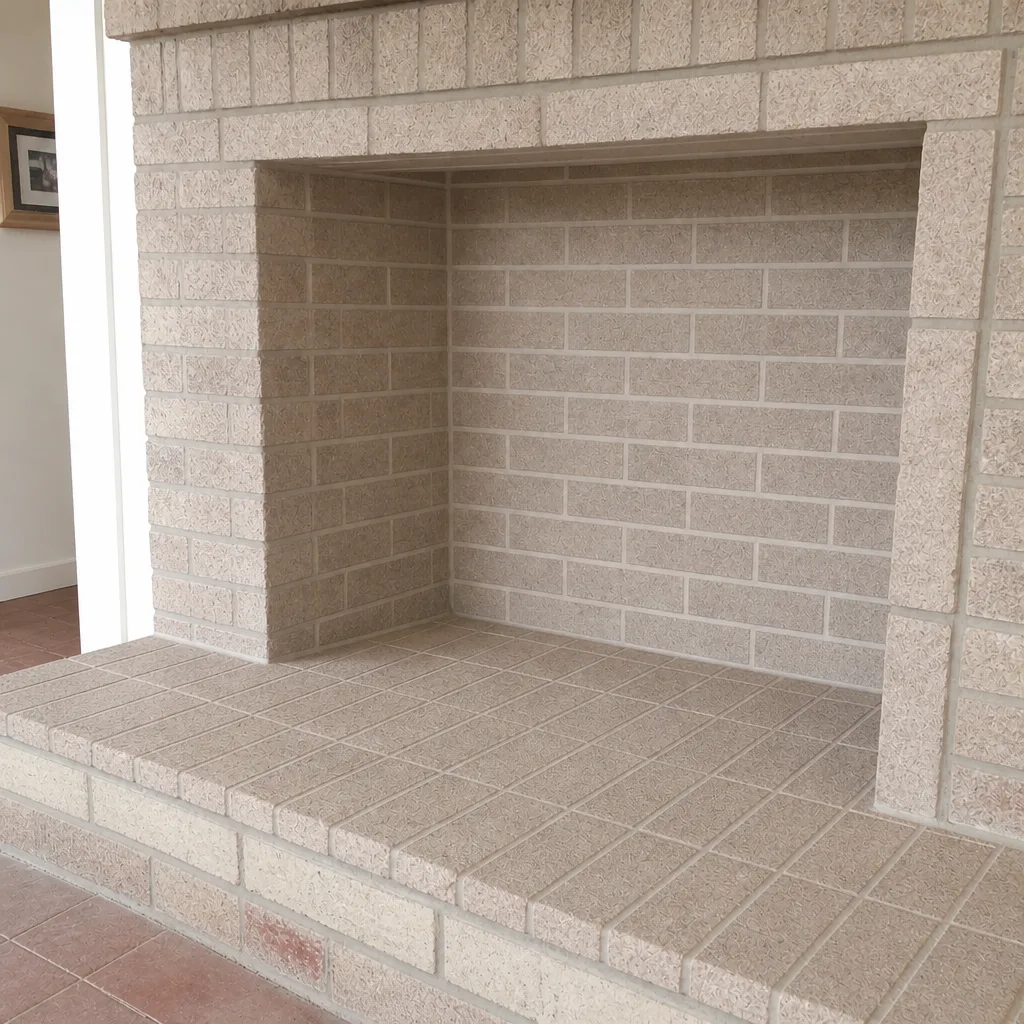 After
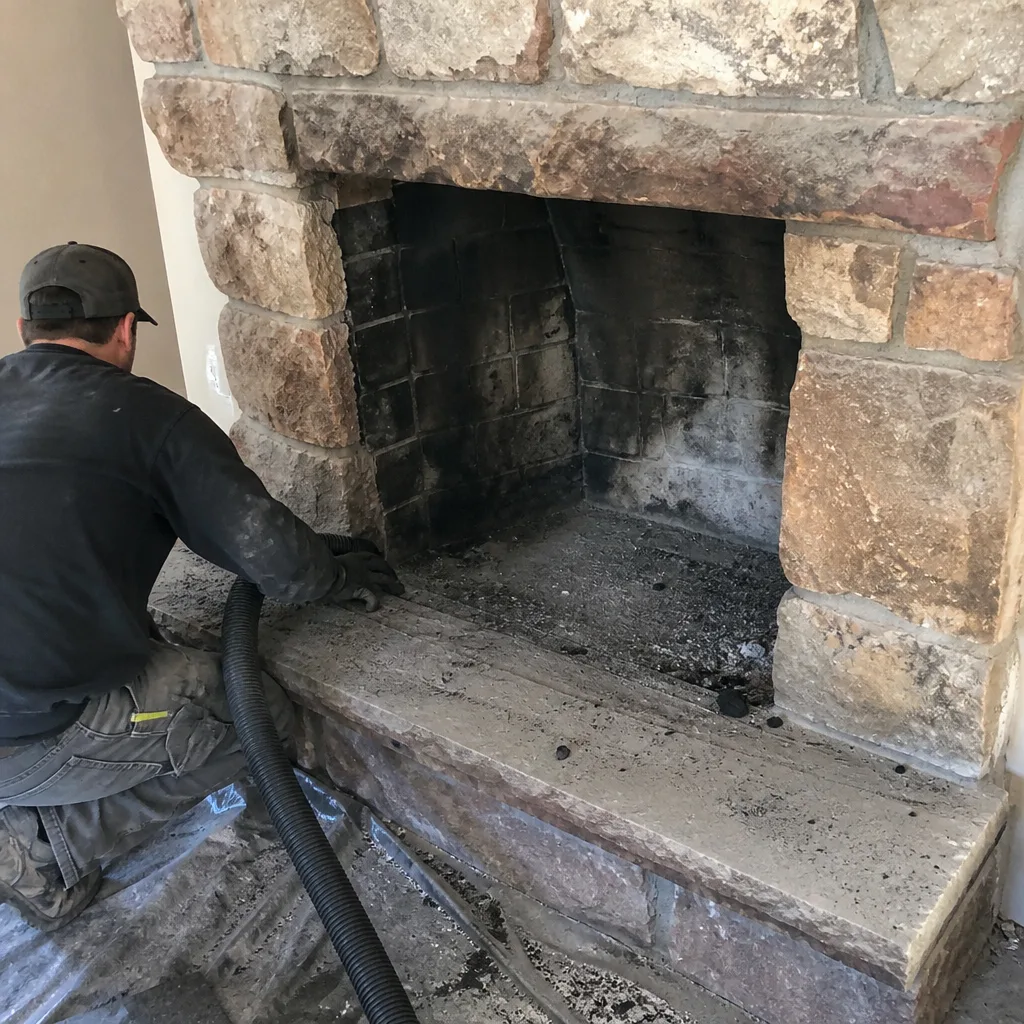 Before
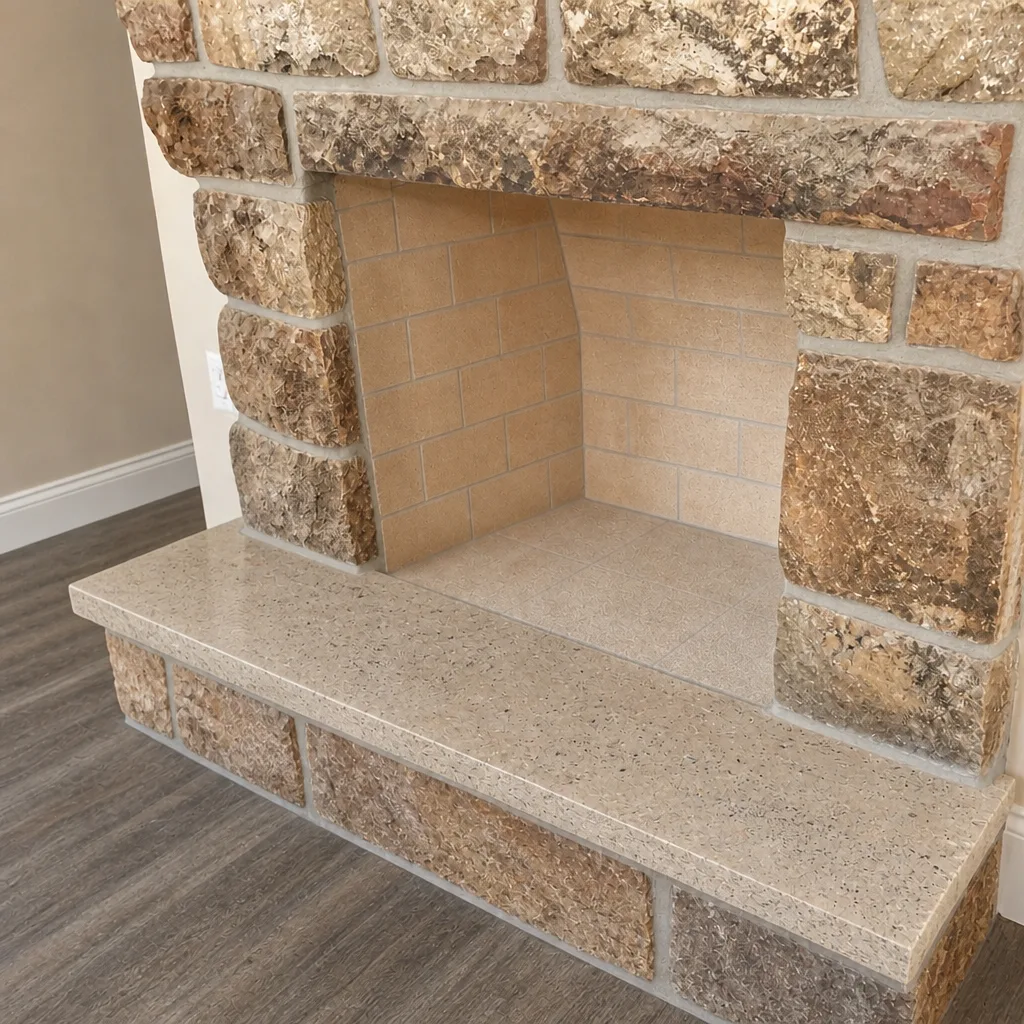 After
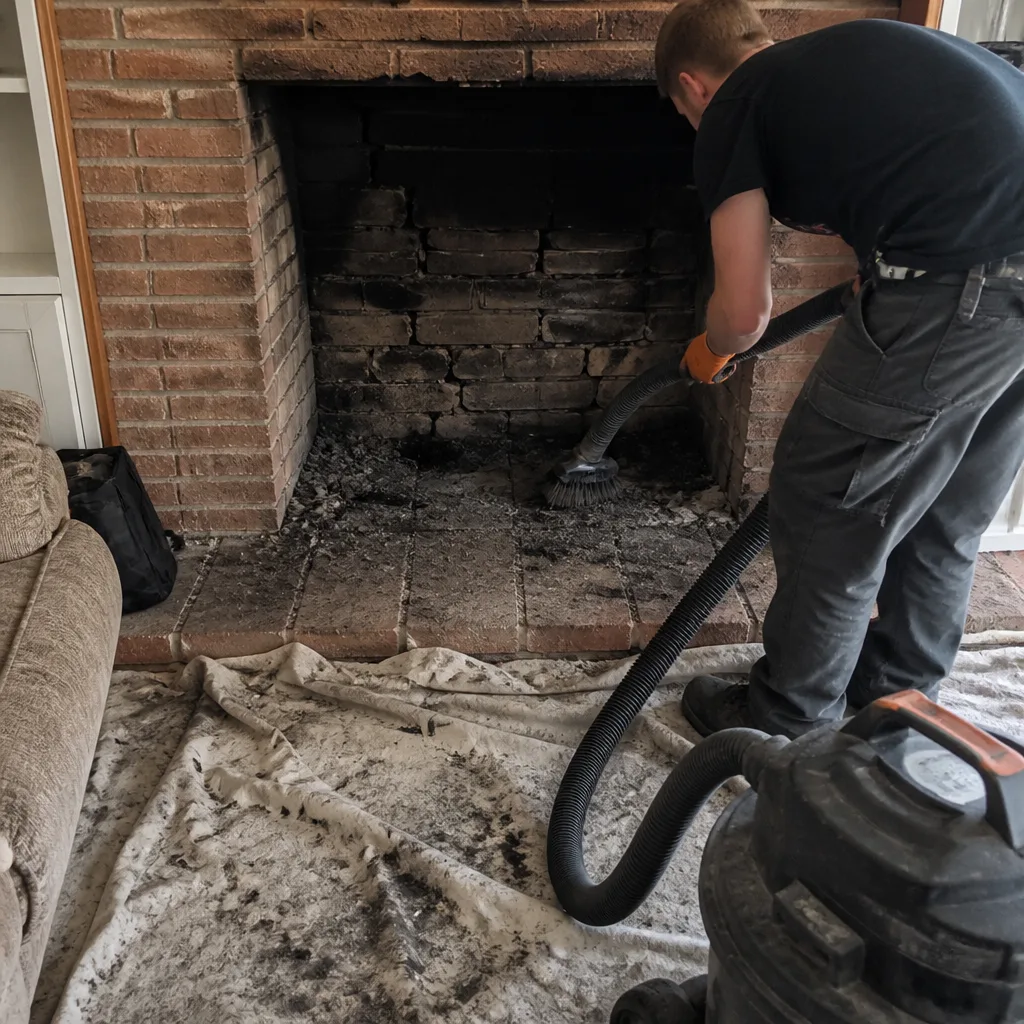 Before
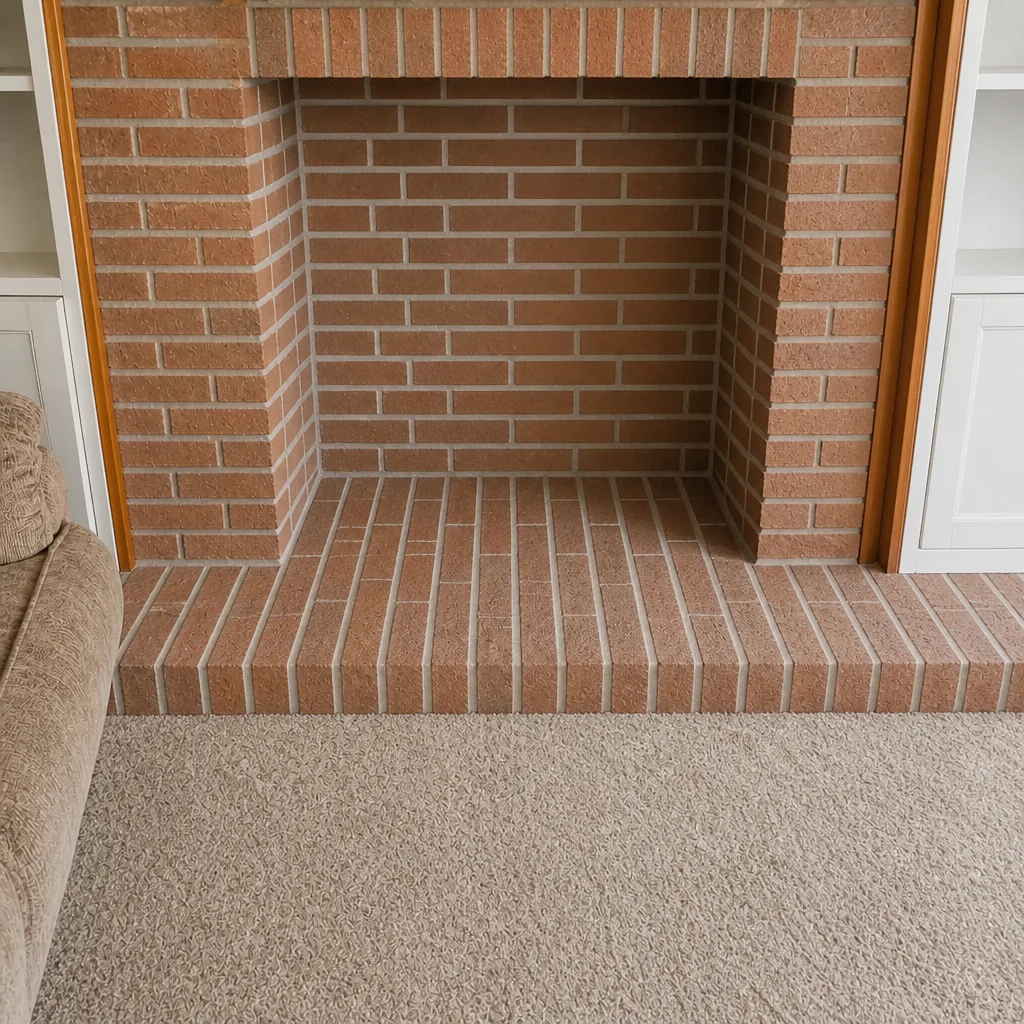 After
Common Chimney Inspection Problems We See in Sunset Homes
- Third-degree glaze creosote from smoldering stove fires. Short exterior chimneys that draft poorly during Davis County inversions push people to damper the stove down, and that smoldering produces tar-glazed creosote a brush can’t touch. It’s a genuine fire hazard and needs professional removal, not a homeowner with a wire brush.
- Cracked crowns and missing or rusted caps on older brick chimneys. The 1950s to 1970s brick chimneys across Sunset often have crowns that have cracked with freeze-thaw cycles and caps that are rusted or gone. Both let snowmelt and weather into the flue, which shortens the liner’s life. A new cap and crown repair close the system back up.
- Original clay liners sized for a fireplace but carrying a stove load. Many Sunset flues were built for a fireplace, then a wood stove got connected later. Camera inspection commonly shows spalling tiles and joint gaps from the mismatch, and that’s where HeatShield restoration or a reline earns its place.
- Poor draft and back-puffing on inversion days. Short exterior chimneys struggle when the valley traps cold, heavy air. We check draft, look at the cap and chimney height, and explain what’s happening rather than just handing you a cleaning bill.
If any of that sounds like your setup, the safest move is to stop guessing and get it looked at. Call (877) 820-8427, and we’ll book a documented inspection.
Pricing for Chimney Inspection in Sunset, UT
Inspection pricing in Sunset is set per job by the written estimate, and here’s roughly where typical work lands. A typical Level 1 inspection in Sunset runs $75-$150. A Level 2 inspection, which includes the camera and is the right call for most stove users here, typically runs $150-$350 depending on access and flue length. A Level 3 inspection, which can involve opening up concealed areas, runs higher and gets quoted after we see the situation. Camera inspection and flue inspection are generally folded into the Level 2, though a standalone flue check is often in the $100-$200 range. Real estate inspections for a Sunset closing typically run $175-$400 depending on how many flues and appliances are involved. The written estimate you get sets the final price, and the estimate itself is free. Call (877) 820-8427 to get an exact quote for your chimney.
We Also Serve Cities Near Sunset
Sunset sits close to a handful of other Davis County towns, and we inspect chimneys in each of them. Homeowners in Clinton, West Point, Syracuse, and Roy call us for the same short-chimney, heavy-stove-use problems we see here. If you’re just up the road, the drive is short and the inspection is the same. Reach out and we’ll confirm what we can cover.
Serving Sunset, UT – Our Local Coverage Area
We serve Sunset and nearby communities. Use the map below to see the area we cover. If you’re nearby, we can almost certainly help.
FAQs – Chimney Inspection in Sunset
Shorter exterior chimneys and heavy stove use are the main reason. In Sunset’s older ranch blocks, short chimneys draft poorly on inversion days, so people damper the stove down, and that smoldering fire lays down glaze creosote far faster than a hot-burning fire in a newer, taller flue. The fix starts with a proper inspection and burning guidance. Call (877) 820-8427 for an exact quote on an inspection, and we’ll show you what’s going on inside.
Yes, a Level 2 inspection is usually the right choice when you’re burning a wood stove. A stove connected into an older Sunset flue often doesn’t match what the liner was built for, and a Level 2 with camera catches spalling tiles, joint gaps, and the creosote stage that a visual check misses. It’s the documented assessment this situation calls for. Call (877) 820-8427 to book one.
A heavy stove user in Sunset should generally get the chimney inspected and swept more often than the annual check that lighter users need, because the smoldering fires common on short, poorly drafting chimneys build creosote quickly. In practice, many stove users here should plan on a sweep partway through the burning season as well as before it. We’ll tell you the right interval for your flue after we see it. Call (877) 820-8427 to get started.
Glaze creosote means you have a tar-like, third-degree deposit that a standard brush won’t remove, and it puts real stress on the flue liner. Left alone it’s a serious fire hazard, and it won’t come off with normal sweeping. It usually calls for professional removal, and sometimes for HeatShield restoration or a reline if the liner has already been damaged. Call (877) 820-8427 for an exact quote, and we’ll explain what the camera shows.
A real estate inspection on an older Sunset property should cover every flue and appliance, with camera documentation of the liner, crown, and cap. On 1950s to 1970s homes here, the original clay liners and aging crowns are the usual trouble spots, so the report needs to document them clearly for both buyer and seller. You get photos and a written summary you can act on. Call (877) 820-8427 to schedule one before closing.
If your chimney is doing real work this winter, don’t put off the inspection. Call (877) 820-8427 for a free estimate. We answer 24/7, and fast dispatch runs 7am to 7pm, Sunday through Friday. Not sure what you’re seeing in the firebox? We’ll come document it, show you the camera images, and tell you plainly what can wait and what needs doing now.
Written by the team at Chimney Sweep Clearfield.